

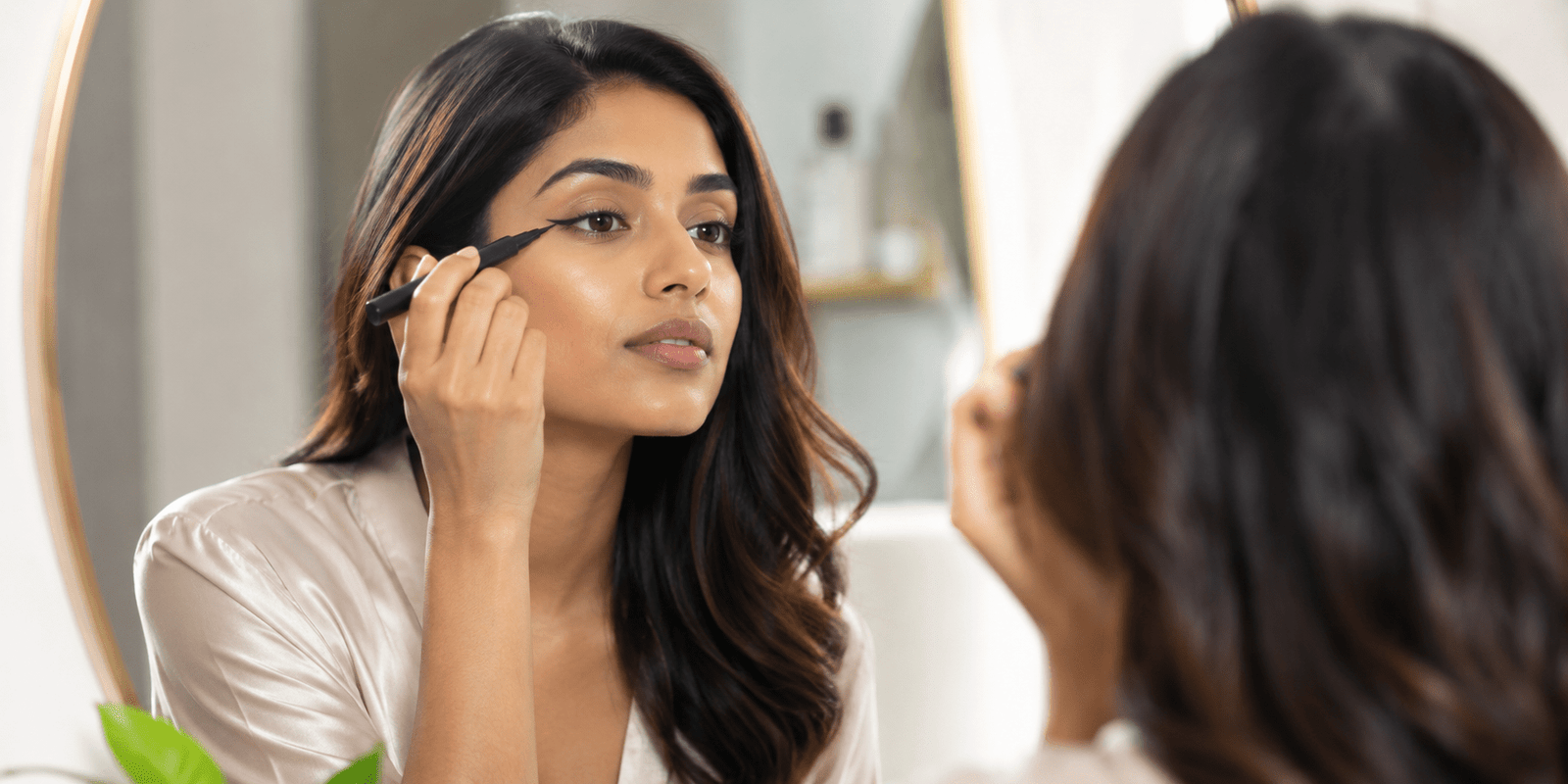
Eyeliner is one of the most important products in eye makeup. It helps define the eyes, enhances their shape, and creates a polished appearance. Whether you prefer a minimal everyday look or a more refined makeup style, the right eyeliner technique can instantly improve your overall appearance.
Many people assume that applying eyeliner perfectly requires professional skills. However, with the right product and a few practical techniques, anyone can create beautiful and natural-looking eye makeup. Understanding your eye shape, choosing the correct formula, and practicing simple application methods can make a significant difference.
Why Eyeliner Is a Makeup Essential
Eye makeup often becomes the focal point of a beauty look, and eyeliner plays a major role in creating that definition. A properly applied line can make lashes appear fuller, eyes look larger, and facial features appear more balanced.
Unlike many beauty products, eyeliner works for nearly every occasion. A thin line along the lash line can create a fresh daytime appearance, while a slightly bolder style can elevate an evening look.
Another advantage is versatility. You can experiment with subtle definitions, soft smudged looks, classic wings, or modern graphic styles depending on your preference.
Types of Eyeliner and Their Uses
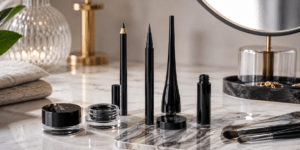
Different liner formulas offer different results. Understanding these options helps you choose the best product for your needs.
| Eyeliner Type | Best For | Ease of Use |
|---|---|---|
| Pencil | Everyday wear and beginners | Easy |
| Gel | Smooth definition and soft wings | Medium |
| Liquid | Sharp and dramatic lines | Advanced |
| Felt Tip | Quick application | Medium |
| Waterproof | Long wear and humid weather | Easy |
Pencil eyeliners are often recommended for beginners because they allow greater control. Liquid liners, while highly precise, may require more practice to achieve clean results.
How to Choose the Right Eyeliner
Choosing the right product depends on your makeup goals and lifestyle.
If you prefer quick daily makeup, a pencil or felt-tip eyeliner can save time while providing natural definition. For long office hours or outdoor activities, waterproof formulas help prevent smudging.
Skin type also matters. People with oily eyelids often benefit from waterproof and long-wear formulas because they stay intact throughout the day.
Color selection is another important factor. Black remains a classic choice, while brown eye liner offers a softer and more natural appearance that works particularly well for daytime makeup.
Best Eyeliner Techniques for Natural Looking Eyes
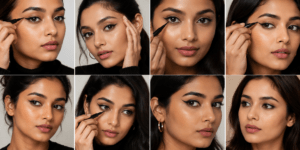
Creating a natural eye look is often about subtle enhancement rather than dramatic definition.
Tightlining Technique
Tightlining involves applying eye liner directly along the upper waterline. This technique creates the illusion of thicker lashes without making the makeup appear obvious. It is ideal for professional settings and everyday wear.
Thin Lash Line Definition
Instead of drawing a thick line, apply a thin stroke as close to the lashes as possible. This gently enhances the eyes while maintaining a fresh and effortless appearance.
Soft Smudging
A slightly smudged eye liner line creates a softer finish than a sharp edge. Use a small brush or cotton swab immediately after application to blend the line gently.
Small Wing Technique
If you enjoy winged eye liner, keep the wing short and subtle. A small flick at the outer corner adds lift to the eyes without appearing overly dramatic.
Brown Eyeliner for Everyday Wear
Brown eye liner is often overlooked, yet it can create a softer definition than black. It is especially suitable for daytime makeup and natural beauty looks.
Eyeliner Styles for Different Eye Shapes
Not every eye liner style suits every eye shape. Understanding your features can help you achieve more flattering results.
Almond Eyes
Most eye liner styles work well on almond eyes. Thin lines and classic wings enhance their naturally balanced shape.
Round Eyes
A slightly extended outer corner can make round eyes appear longer and more defined.
Hooded Eyes
Thin eyeliner works best for hooded eyes because thick lines can become hidden when the eyes are open.
Small Eyes
Avoid heavy lower lash line eyeliner. Instead, focus on the upper lash line to create the appearance of larger eyes.
Monolid Eyes
A thicker upper line can add definition and make eye makeup more visible.
Common Eyeliner Mistakes to Avoid
Many eye liner issues come from small application mistakes.
One common mistake is pulling the eyelid while applying eyeliner. This can create uneven lines once the skin returns to its natural position.
Another mistake is applying excessively thick lines for everyday makeup. Thick eyeliner can make the eyes appear smaller rather than more defined.
Using old or dried-out products can also affect application quality. Replacing eye liner regularly helps maintain smooth and hygienic use.
Finally, skipping primer on oily eyelids often leads to smudging. A lightweight eye primer can improve wear time significantly.
Tips for Long-Lasting Eyeliner
Keeping eye liner fresh throughout the day requires a few simple habits.
Start with clean eyelids and remove excess oil before makeup application. Apply an eye primer if needed, especially during hot weather.
Setting the eye liner with a matching eyeshadow can increase longevity. This technique helps lock the product in place and reduces smudging.
Waterproof formulas are particularly useful during weddings, festivals, long workdays, and humid conditions.
Carrying a cotton swab for quick touch-ups can also help maintain a neat appearance.

Conclusion
Eyeliner remains one of the most effective beauty products for enhancing the eyes and improving overall makeup results. By choosing the right formula, understanding your eye shape, and using simple application techniques, you can create a polished and natural appearance every day.
Whether you prefer a soft lash-line definition, a subtle wing, or a classic everyday style, practicing the right eyeliner methods will help you achieve cleaner and more flattering results. Start with simple techniques, focus on precision, and gradually experiment with different looks to discover what works best for your features.