

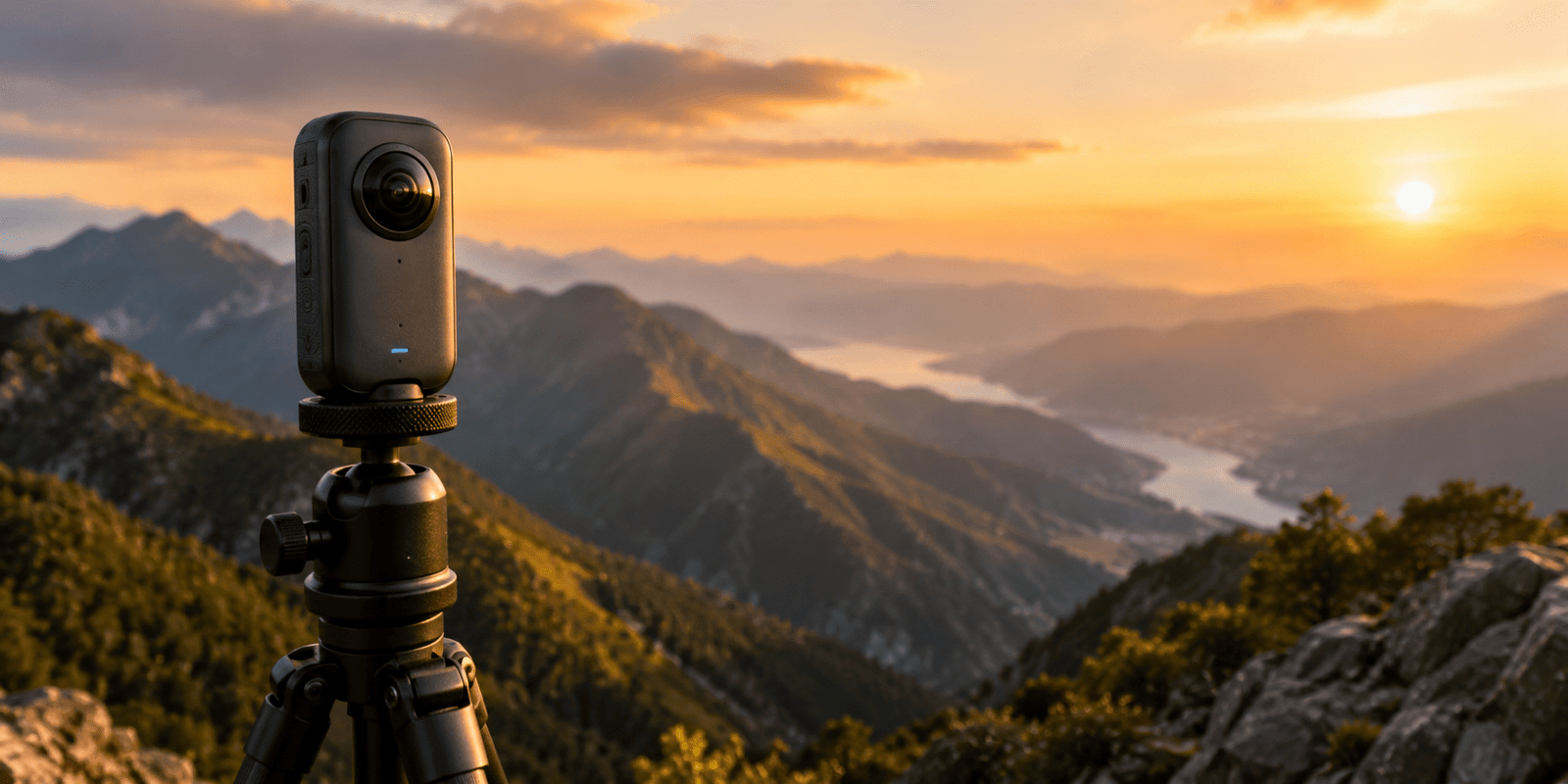
360 camera technology has completely transformed the modern content creation industry. From travel vloggers and YouTubers to filmmakers and real estate businesses, immersive cameras are helping creators capture dynamic visuals that feel more engaging and interactive.
Unlike traditional cameras, a 360-degree device records every angle around the user at the same time. This gives creators the freedom to reframe shots later during editing without missing important moments. As a result, creators can focus more on storytelling and less on camera positioning.
Today, these cameras are becoming more advanced with AI-powered stabilization, motion tracking, voice control, and cinematic editing tools. Therefore, they are now widely used for social media reels, virtual tours, adventure sports, and professional marketing videos.
Why 360 Camera Technology Is Becoming Popular
The demand for immersive content is growing rapidly across digital platforms. Modern audiences prefer engaging videos that feel realistic and interactive. Because of this, creators are investing in smart camera tools that provide cinematic flexibility.
A 360 camera captures the complete surrounding environment in a single recording. This means creators no longer need multiple cameras to shoot different angles. In addition, editing becomes easier because users can choose their preferred camera perspective later.
Another reason behind its popularity is portability. Most modern devices are compact, lightweight, and easy to carry during travel, outdoor shoots, or sports activities.
Major Reasons for Growing Popularity
- Full-angle video recording
- AI-powered editing support
- Compact and lightweight design
- Better stabilization technology
- Perfect for travel and action videos
- Useful for VR and immersive content

AI Features That Improve Content Quality
Artificial intelligence has become one of the strongest features in modern camera systems. AI tools help creators save time while improving overall video quality.
For example, smart subject tracking automatically keeps the person centered in the frame even while moving. Similarly, horizon stabilization ensures smooth footage during biking, running, or adventure sports.
Many cameras also offer automatic editing templates that instantly create professional-looking short videos for social media platforms. Therefore, even beginners can produce cinematic content without advanced editing knowledge.
Popular AI Features in Modern Cameras
| Feature | Benefit |
|---|---|
| AI Subject Tracking | Automatically follows the subject |
| Horizon Lock | Keeps footage smooth and stable |
| Invisible Selfie Stick | Removes stick from final video |
| Voice Control | Hands-free camera operation |
| Auto Reframing | Creates different video angles automatically |
These smart features improve both productivity and content quality, especially for solo creators.
Best Uses of a 360 Camera
Modern immersive cameras are now used in multiple industries. Their versatility makes them useful for both professional and personal content creation.
Travel Vlogging
Travel creators use immersive cameras to capture landscapes, markets, mountain roads, and tourist destinations in a more cinematic way. The ability to capture every angle helps preserve authentic travel experiences.
Adventure Sports
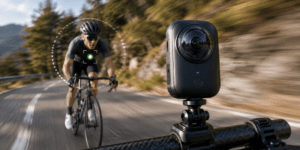
Bike riding, trekking, skiing, surfing, and other outdoor sports look more dynamic with immersive footage. Stabilization technology also improves viewing quality during movement.
Real Estate Virtual Tours
Property businesses use immersive cameras to create virtual home tours. This allows potential buyers to explore properties remotely from any location.
Event Coverage
Concerts, weddings, festivals, and live shows become more interactive because viewers can experience the complete environment.

Traditional Cameras vs 360 Cameras
Traditional cameras and immersive cameras both have unique strengths. However, they serve different creative purposes.
A DSLR or mirrorless camera provides excellent image depth and manual control for professional filmmaking. On the other hand, a 360 camera focuses on immersive storytelling and flexible editing.
Traditional setups often require multiple camera angles and extra equipment. In contrast, immersive devices capture everything in one take, which saves both time and effort.
Traditional Camera Advantages
Better Manual Controls
Professional photographers can adjust lenses, aperture, and depth settings more precisely.
Higher Cinematic Quality
DSLR and mirrorless systems still dominate high-end film production.
360 Camera Advantages
Flexible Editing
Creators can select multiple camera angles from a single recording.
Compact Design
These devices are lightweight and easier to carry during travel.
Immersive Storytelling
Viewers feel more connected to the environment and action.
Important Features to Check Before Buying
Before purchasing a camera, creators should understand their primary content needs. Different devices are designed for travel, sports, filmmaking, or professional production.
Video Resolution
Higher resolution improves immersive viewing quality because 360-degree footage spreads pixels across wider viewing areas. Therefore, many professionals prefer 5.7K or higher resolution.
Battery Life
Long battery backup is important for outdoor creators and travelers. Fast charging support can also improve convenience during shoots.
Stabilization Quality
Good stabilization technology creates smooth cinematic footage even during high movement activities.
Editing Software
A strong mobile editing application makes content creation much easier. AI editing tools are especially useful for beginners.
Durability
Water resistance and rugged build quality are important for adventure creators and outdoor users.
How Social Media Creators Use 360 Cameras
Social media platforms now reward engaging and immersive video content. As a result, creators are increasingly using 360-degree devices for short-form videos and cinematic reels.
One of the biggest advantages is reframing. A single immersive video can be converted into multiple formats for different platforms like YouTube Shorts, Instagram Reels, and TikTok videos.
Creators also use invisible selfie stick effects to produce floating camera angles that look highly professional. This creates a cinematic viewing experience without requiring expensive production setups.
Popular Social Media Content Styles
Travel Reels
Smooth cinematic shots through mountains, beaches, and city streets.
Fitness Videos
Full-angle workout demonstrations with immersive camera movement.
Automotive Content
Dynamic car and bike rolling shots with stabilized motion.
Behind-the-Scenes Videos
Interactive production coverage for influencers and brands.
Future of Immersive Camera Technology
Immersive camera technology is expected to grow significantly in the coming years. Companies are developing better AI systems, improved sensors, and enhanced VR integration for future devices.
Virtual reality, augmented reality, and interactive digital experiences are becoming more mainstream. Therefore, immersive content tools will likely become essential for creators, educators, businesses, and entertainment platforms.
As internet speeds and mobile processing power continue improving, high-quality immersive streaming may become more accessible worldwide.
Conclusion
A modern 360 camera is more than just a photography gadget. It is a powerful storytelling tool that combines AI features, immersive recording, cinematic stabilization, and flexible editing into one compact device.
Whether you are a travel vlogger, filmmaker, business owner, or social media creator, immersive camera technology can help produce more engaging and professional content. As digital storytelling continues evolving, these cameras are becoming an important part of modern content creation.