


Push ups are one of the most effective bodyweight exercises for building strength, improving endurance, and maintaining overall fitness without expensive equipment. Whether you are just starting your fitness journey or looking to improve athletic performance, this classic exercise deserves a place in your daily routine. With proper technique and consistency, push ups can help strengthen multiple muscle groups while improving posture and functional movement.
Why Push Ups Are Important
Push ups are a compound exercise, meaning they engage several muscle groups at the same time. Your chest, shoulders, triceps, core, and even lower back work together during every repetition. Unlike many gym exercises, they require no equipment, making them perfect for home workouts.
Regular practice also improves body coordination and stability. Moreover, since your core stays engaged throughout the movement, push ups contribute to better balance and posture in everyday activities.
Major Benefits of Push Ups
Adding push ups to your workout routine offers several health advantages.
| Benefit | How It Helps |
|---|---|
| Builds Upper Body Strength | Develops chest, shoulders, and triceps |
| Strengthens Core | Improves balance and stability |
| Enhances Endurance | Increases muscular stamina |
| Supports Better Posture | Activates back and core muscles |
| Convenient Workout | Can be performed anywhere without equipment |
In addition, push ups encourage functional strength that supports everyday activities such as lifting, pushing, and carrying objects. They also increase muscular endurance, allowing you to perform physical tasks with less fatigue over time.

Correct Push Ups Technique
Body Position
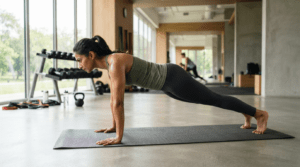
Start in a high plank position with your hands slightly wider than shoulder width. Keep your body in a straight line from head to heels while tightening your core muscles.
Movement
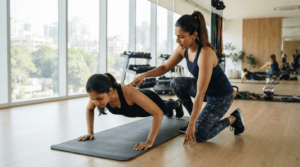
Lower your chest slowly until it comes close to the floor. Keep your elbows at roughly a 45-degree angle instead of flaring them outward. Push yourself back up in a controlled motion until your arms are fully extended.
Proper breathing is equally important. Inhale while lowering your body and exhale as you push upward. Controlled movement reduces injury risk and improves muscle activation.
Common Mistakes to Avoid
Many beginners struggle because of poor technique rather than lack of strength. One common mistake is allowing the hips to sag, which places unnecessary pressure on the lower back. Another mistake is raising the hips too high, reducing the effectiveness of the movement.
Additionally, rushing through repetitions decreases muscle engagement. Instead, focus on slow, controlled movements while maintaining proper alignment. Looking forward excessively can also strain the neck, so keep your head in a neutral position.
Types of Push Ups
Different variations target muscles in slightly different ways and help prevent workout boredom.
Standard Push Ups
Ideal for building overall upper body strength.
Knee Push Ups
Perfect for beginners who are developing strength and confidence.
Wide Push Ups
Place more emphasis on the chest muscles.
Diamond Push Ups
Target the triceps while increasing arm strength.
Incline Push Ups
Reduce resistance and are excellent for people returning after a workout break.

Beginner Workout Plan
If you are new to exercise, begin with three workout sessions each week. Perform three sets of 8 to 10 repetitions while resting for about one minute between sets. As your strength improves, gradually increase the number of repetitions before trying advanced variations.
Combining push ups with squats, planks, and light cardio creates a balanced full-body routine. Consistency matters far more than performing a large number of repetitions on the first day.
Tips for Better Results
Progress comes from steady improvement rather than rushing through workouts. Warm up before every session, focus on quality repetitions, and maintain proper nutrition to support muscle recovery.
Furthermore, adequate sleep and hydration play a major role in muscle growth and performance. Recording your weekly progress can also keep you motivated as you build strength over time.