


Diet Plan for Weight Loss is the foundation of achieving a healthy body and sustainable fitness. Many people try shortcuts, but real results come from a structured and balanced approach. Instead of starving yourself, the focus should be on smart eating habits, portion control, and consistency.
A well-designed plan not only helps in shedding fat but also improves energy, digestion, and overall well-being.
Table of Contents
1. Understanding Weight Loss Basics
2. Key Principles of a Diet Plan for Weight Loss
3. Sample Daily Diet Plan
4. Best Foods for Fat Loss
5. Foods to Avoid
6. Common Mistakes to Avoid
7. Tips to Stay Consistent
8. Conclusion
Understanding Weight Loss Basics
Weight loss is not about eating less randomly. It is about creating a calorie deficit while maintaining proper nutrition. When your body burns more calories than it consumes, fat loss begins.
However, extreme dieting often leads to weakness and muscle loss. Therefore, a smart diet plan for weight loss focuses on balance, not restriction.
Key Principles of a Diet Plan for Weight Loss
A successful approach is built on simple yet powerful rules.
First, focus on whole foods instead of processed items. Natural foods provide better nutrients and keep you full longer.
Second, include protein in every meal. Protein helps in muscle maintenance and reduces hunger cravings.
Third, stay hydrated. Drinking enough water boosts metabolism and reduces unnecessary snacking.
Finally, maintain consistency. Even the best diet plan fails without discipline.

Sample Daily Diet Plan
Below is a simple and practical daily structure you can follow.
| Time | Meal | Food Example |
|---|---|---|
| Morning | Empty Stomach | Warm water with lemon |
| Breakfast | Healthy Start | Oats with fruits or vegetable poha |
| Mid-Morning | Snack | Apple or handful of nuts |
| Lunch | Balanced Meal | Roti, dal, sabzi, salad |
| Evening | Snack | Green tea with roasted chana |
| Dinner | Light Meal | Soup, salad, or grilled paneer |
This structure keeps your metabolism active throughout the day and prevents overeating.
Best Foods for Fat Loss
Choosing the right foods makes a big difference.
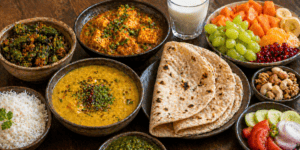
High-protein foods like eggs, paneer, lentils, and chicken help in building lean muscle.
Fiber-rich foods such as vegetables, fruits, and whole grains improve digestion and keep you full for longer.
Healthy fats from nuts, seeds, and olive oil support overall health without causing weight gain when consumed in moderation.
In addition, fermented foods like curd help in gut health, which is often overlooked in weight loss journeys.
Foods to Avoid
While following a diet plan for weight loss, certain foods can slow down your progress.
Processed foods like chips, packaged snacks, and fast food are high in unhealthy fats and calories.
Sugary drinks such as soft drinks and packaged juices add empty calories without nutrition.
Refined carbs like white bread and sweets spike blood sugar levels and increase fat storage.
Instead, replace them with healthier alternatives like fruits, whole grains, and homemade meals.
Common Mistakes to Avoid
Many people fail not because of effort, but because of wrong strategies.
Skipping meals is one of the biggest mistakes. It slows metabolism and leads to overeating later.
Another mistake is relying on fad diets. These plans may give quick results but are not sustainable.
Overeating healthy food is also a hidden issue. Even healthy meals need portion control.
Therefore, focus on balance rather than extremes.

Tips to Stay Consistent
Consistency is the real secret behind every successful diet plan for weight loss.
Start by setting realistic goals. Instead of aiming for drastic changes, focus on small improvements.
Plan your meals in advance. This reduces the chances of making unhealthy choices.
Track your progress weekly rather than daily to stay motivated.
In addition, combine your diet with light physical activity like walking or home workouts for better results.

Conclusion
A well-structured diet plan for weight loss is not about strict rules but about smart lifestyle choices. When you focus on balanced nutrition, portion control, and consistency, results become sustainable.
Instead of chasing quick fixes, build habits that you can maintain for life. That is the real key to long-term fitness and health.