

Introduction
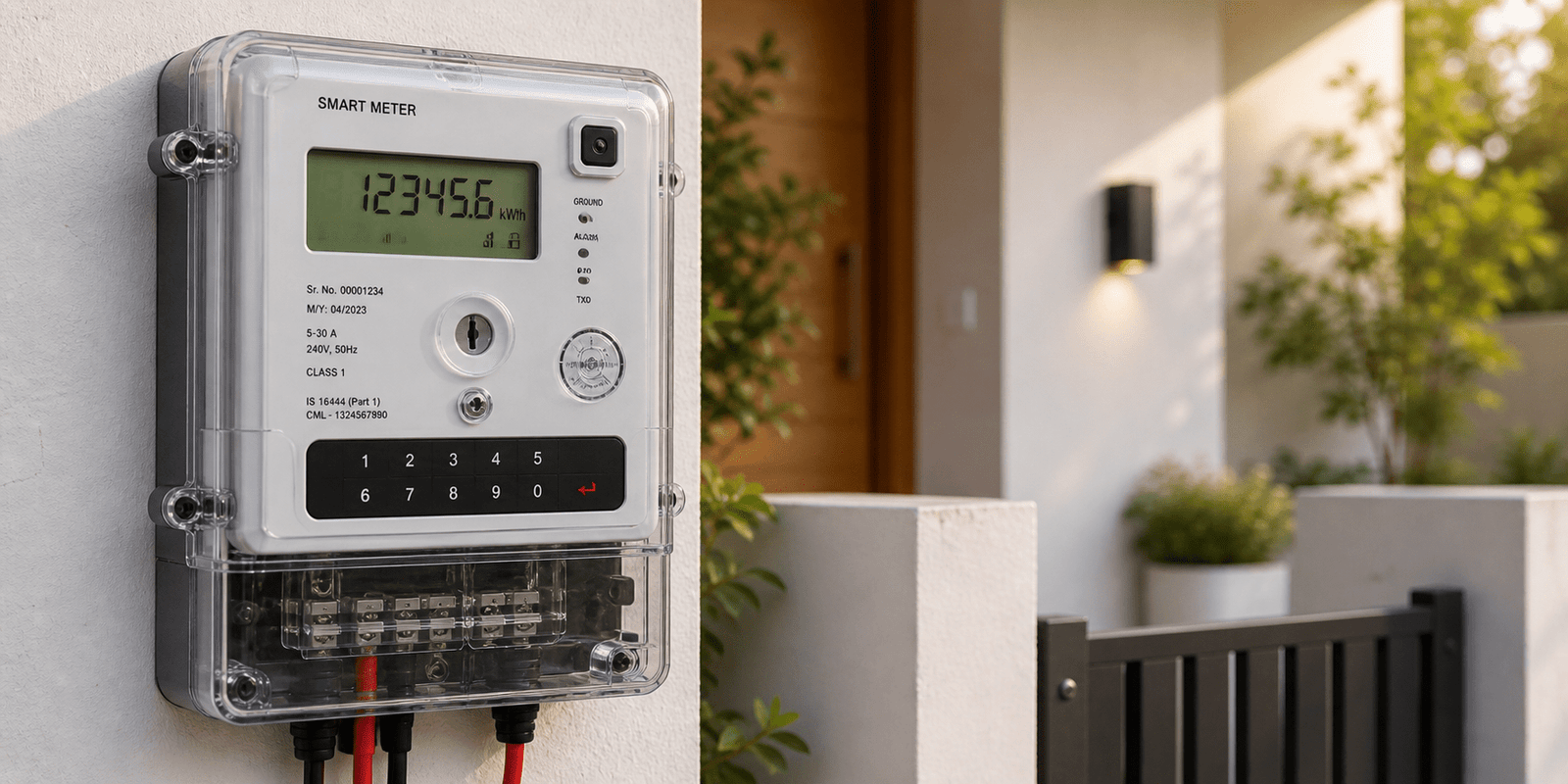
Smart meter technology is changing how households and businesses track electricity usage. Unlike traditional meters, these advanced devices provide real-time insights, helping users manage consumption and reduce energy bills more efficiently.
Today, with rising electricity costs and growing awareness about sustainability, adopting modern solutions has become essential. A smart system not only improves transparency but also empowers users to make better decisions about their energy usage.
What is a Smart Meter
A smart meter is a digital device that records electricity consumption in real time and automatically sends data to the electricity provider. This eliminates the need for manual readings and ensures accurate billing.
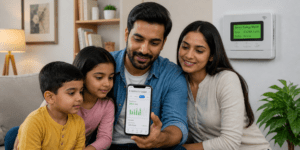
Moreover, it allows users to track their usage patterns. As a result, people can easily identify areas where they can save energy and reduce unnecessary consumption.
How Smart Meter Works
Meters operate using communication technologies like IoT, radio frequency, or cellular networks. These systems send usage data at regular intervals to both the utility provider and the user.
Key Components
- Digital display for instant data
- Communication module for data transfer
- Central system for analysis
This process ensures transparency and helps users monitor their electricity consumption more effectively.
5 Smart Meter Benefits
Understanding the benefits of a meter helps you realize why it is becoming a preferred choice worldwide.
1. Real-Time Monitoring
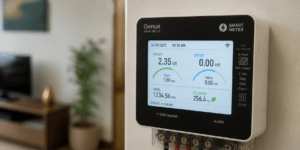
Users can check electricity usage instantly. Therefore, they can avoid unnecessary consumption and manage their usage better.
2. Accurate Billing
Since data is recorded automatically, billing errors are eliminated. This builds trust between users and electricity providers.
3. Better Energy Efficiency
Real-time insights encourage smarter energy habits. In addition, users can reduce wastage and improve efficiency.
4. Remote Access and Control
Utility companies can monitor and manage connections remotely. This reduces the need for physical inspections.
5. Prepaid Flexibility
Some meters offer prepaid options. As a result, users can control their spending and avoid unexpected bills.
Types of Smart Meters
Different types of smart meters are available depending on usage and functionality.
| Type | Description | Best Use |
|---|---|---|
| Basic Smart Meter | Tracks usage and sends data | Homes |
| Prepaid Smart Meter | Requires advance recharge | Budget users |
| Advanced Smart Meter | Provides analytics | Businesses |
| Net Meter | Supports solar systems | Renewable users |
Choosing the right type depends on your energy requirements and budget.
Smart Meter in India
India is actively adopting smart technology through various government initiatives. Programs like RDSS aim to replace traditional meters with digital ones across the country.
Moreover, smart meters help reduce electricity theft and improve billing accuracy. As a result, both consumers and power companies benefit from this technology.
Installation and Cost
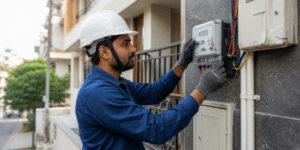
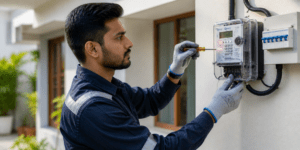
The installation process of a meter is usually handled by electricity providers. In many regions, the government is offering free or subsidized installations.
However, advanced models may have higher costs. Despite that, long-term savings and better control over electricity usage make it a valuable investment.
Common Challenges
Although meters offer many advantages, there are some challenges users may face.
Connectivity Issues
In areas with poor network coverage, real-time updates may be affected.
Data Privacy Concerns
Some users worry about data security. However, modern smart meters use secure encryption systems.
Initial Cost
The upfront cost can be high. Still, long-term savings often outweigh this investment.
Conclusion
A smart meter is an essential tool for modern energy management. It offers real-time monitoring, accurate billing, and better control over electricity consumption.
With increasing energy demands, adopting smart technology is no longer optional. Therefore, investing in a smart meter can help you save money, improve efficiency, and contribute to a sustainable future.