

Introduction
Ashtanga yoga is one of the most disciplined and powerful forms of yoga practiced around the world today. Known for its structured sequence, controlled breathing, and flowing movements, this traditional yoga style helps improve physical strength, mental clarity, flexibility, and emotional balance.
Unlike casual stretching routines, ashtanga yoga follows a dynamic system where each posture connects with breath and movement. Therefore, many people choose it to build both inner focus and physical endurance. Whether you are a beginner or someone exploring advanced yoga practices, this method offers long-term wellness benefits that go beyond fitness.
What Is Ashtanga Yoga?
Ashtanga yoga is a traditional yoga system developed and popularized by K. Pattabhi Jois. The practice follows a fixed sequence of postures performed in a continuous flow with synchronized breathing.
The word “Ashtanga” means “eight limbs,” which represent the spiritual and physical principles of yoga. This practice combines movement, breath control, concentration, and meditation into one disciplined routine.
Unlike slower yoga styles, ashtanga yoga is physically demanding. However, it is highly rewarding because it improves stamina, posture, and focus over time.
Core Elements of the Practice
- Controlled breathing technique called Ujjayi breathing
- Continuous movement between poses
- Focused gaze points known as Drishti
- Internal energy locks called Bandhas
- Repetition and discipline
These elements work together to create a meditative and energizing experience.
Key Principles of Ashtanga Yoga
One reason why ashtanga yoga remains popular is its structured approach. Every practice session follows a specific order that trains both the body and the mind.
Breath and Movement Connection
Breathing plays a major role in every sequence. Practitioners inhale and exhale deeply while transitioning between poses. As a result, the body feels more energized and focused.
Consistency and Discipline
Unlike random workout routines, ashtanga yoga encourages daily practice. Even short sessions can create visible improvements in flexibility and strength.
Mindfulness Through Movement
The continuous flow of poses keeps the mind engaged in the present moment. Therefore, many practitioners experience reduced stress and better emotional balance.
Physical Benefits of Ashtanga Yoga
The physical benefits of this yoga style are extensive. Since the body constantly moves through challenging poses, muscles become stronger and more flexible over time.
Improved Strength and Endurance
Ashtanga yoga uses body weight to build muscle strength naturally. Arm balances, standing poses, and core-focused movements improve endurance significantly.
Better Flexibility
Many people start yoga to improve flexibility. Regular practice gradually loosens tight muscles, especially around the hips, hamstrings, and shoulders.
Enhanced Posture and Balance
Modern lifestyles often lead to poor posture due to prolonged sitting. However, this yoga practice strengthens the spine and improves body alignment.
Supports Weight Management
Because it is physically intense, ashtanga yoga can help burn calories and support healthy weight management when combined with proper nutrition.
Mental and Emotional Benefits
While many people focus on physical fitness, the mental benefits of ashtanga yoga are equally important.
Reduces Stress and Anxiety
The combination of breathing and movement creates a calming effect on the nervous system. Consequently, many practitioners feel mentally refreshed after practice.
Improves Concentration
Every posture requires attention and coordination. This consistent focus improves concentration levels in daily life as well.
Encourages Emotional Stability
Regular yoga practice helps manage emotional fluctuations. In addition, meditation elements within the practice encourage inner calmness.
Promotes Better Sleep
Since the body releases physical tension during practice, sleep quality often improves naturally.
Important Ashtanga Yoga Poses
Some poses are foundational in ashtanga yoga and help build strength, flexibility, and stability.
Surya Namaskar (Sun Salutation)
This sequence warms up the body and improves circulation. It is usually performed at the beginning of every session.
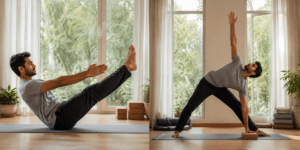
Trikonasana (Triangle Pose)
This standing pose strengthens the legs while improving spinal flexibility and balance.
Navasana (Boat Pose)
Boat pose activates the core muscles and improves stability.
Paschimottanasana (Seated Forward Bend)
This pose stretches the back and hamstrings while calming the nervous system.
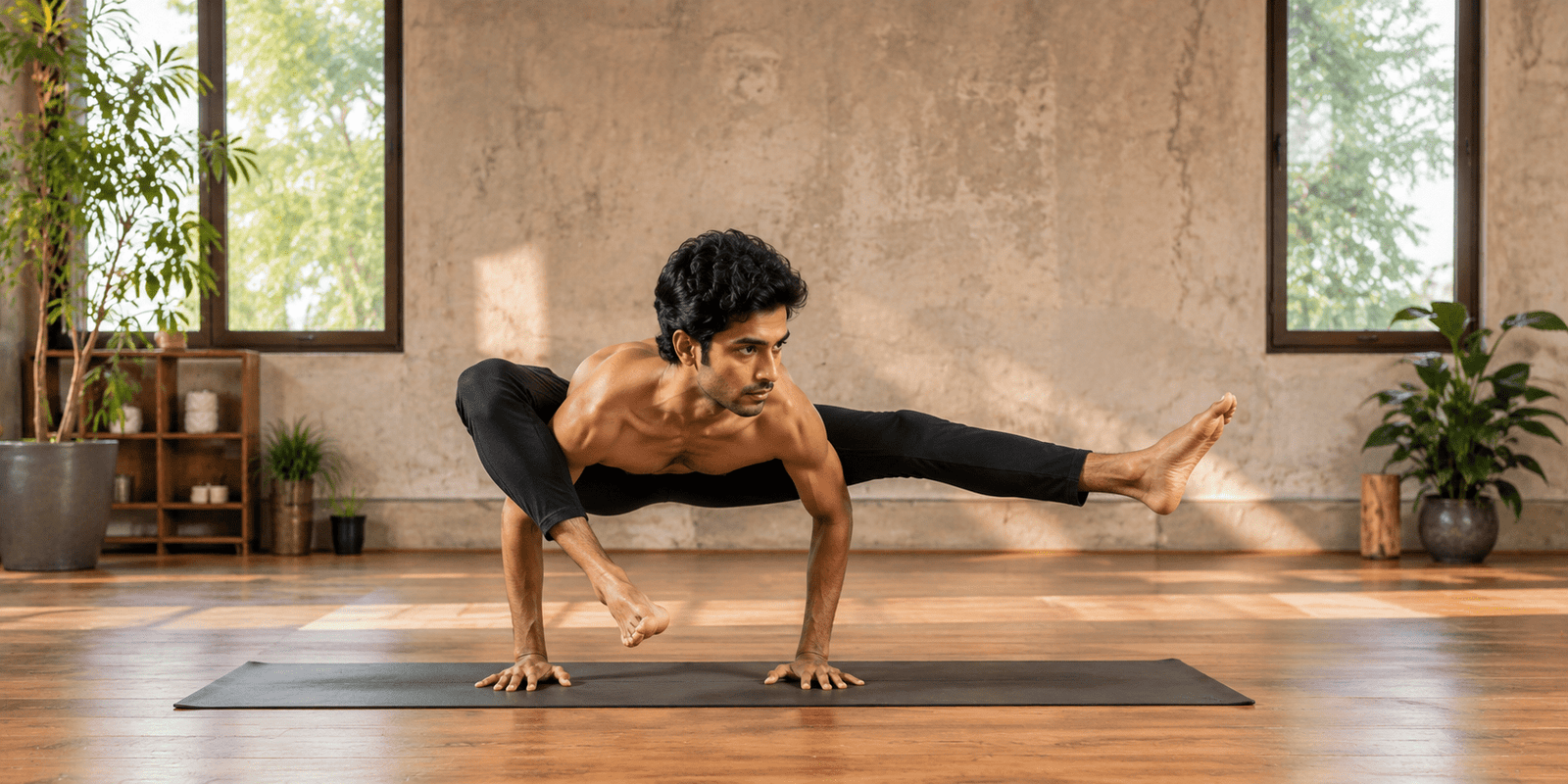
Bhujapidasana (Shoulder Pressure Pose)
An advanced arm balance that builds upper body strength and concentration.
Beginner Tips for Daily Practice
Starting ashtanga yoga can feel challenging in the beginning. Nevertheless, consistency matters more than perfection.
Start Slowly
Beginners should focus on learning breathing techniques and basic poses before attempting advanced sequences.
Practice on an Empty Stomach
Yoga is generally more comfortable when practiced early in the morning or several hours after meals.
Listen to Your Body
Pushing too hard can lead to injuries. Therefore, it is important to progress gradually.
Use Professional Guidance
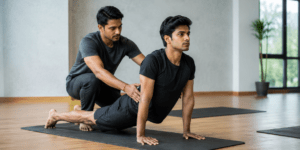
Learning from an experienced yoga instructor ensures proper alignment and safer practice.
Stay Consistent
Practicing even three to four times a week can create noticeable improvements in flexibility and mental clarity.
Ashtanga Yoga Practice Table
| Practice Element | Main Purpose | Recommended Frequency |
|---|---|---|
| Sun Salutations | Warm-up and flexibility | Daily |
| Standing Poses | Strength and balance | 4–5 times weekly |
| Seated Poses | Flexibility and calmness | 3–4 times weekly |
| Breathing Exercises | Mental focus and relaxation | Daily |
| Meditation | Emotional balance | Daily |
Common Mistakes to Avoid
Many beginners make mistakes that reduce the effectiveness of their yoga practice.
Ignoring Proper Breathing
Breathing is central to ashtanga yoga. Holding the breath during poses can create unnecessary tension.
Comparing Yourself to Others
Every person progresses differently. Therefore, focus on personal improvement instead of competition.
Skipping Warm-Ups
Preparing the body before advanced poses reduces the risk of injuries.
Practicing Without Rest
Although consistency is important, the body still needs recovery time.

Conclusion
Ashtanga yoga is much more than a physical workout. It is a complete lifestyle practice that improves strength, flexibility, concentration, and emotional well-being. Through disciplined movement, breathing, and mindfulness, this traditional yoga system helps create balance in modern life.
Whether you want better fitness, reduced stress, or improved mental clarity, ashtanga yoga offers lasting benefits for both the body and mind. Starting with small daily sessions and practicing consistently can lead to meaningful long-term transformation.