

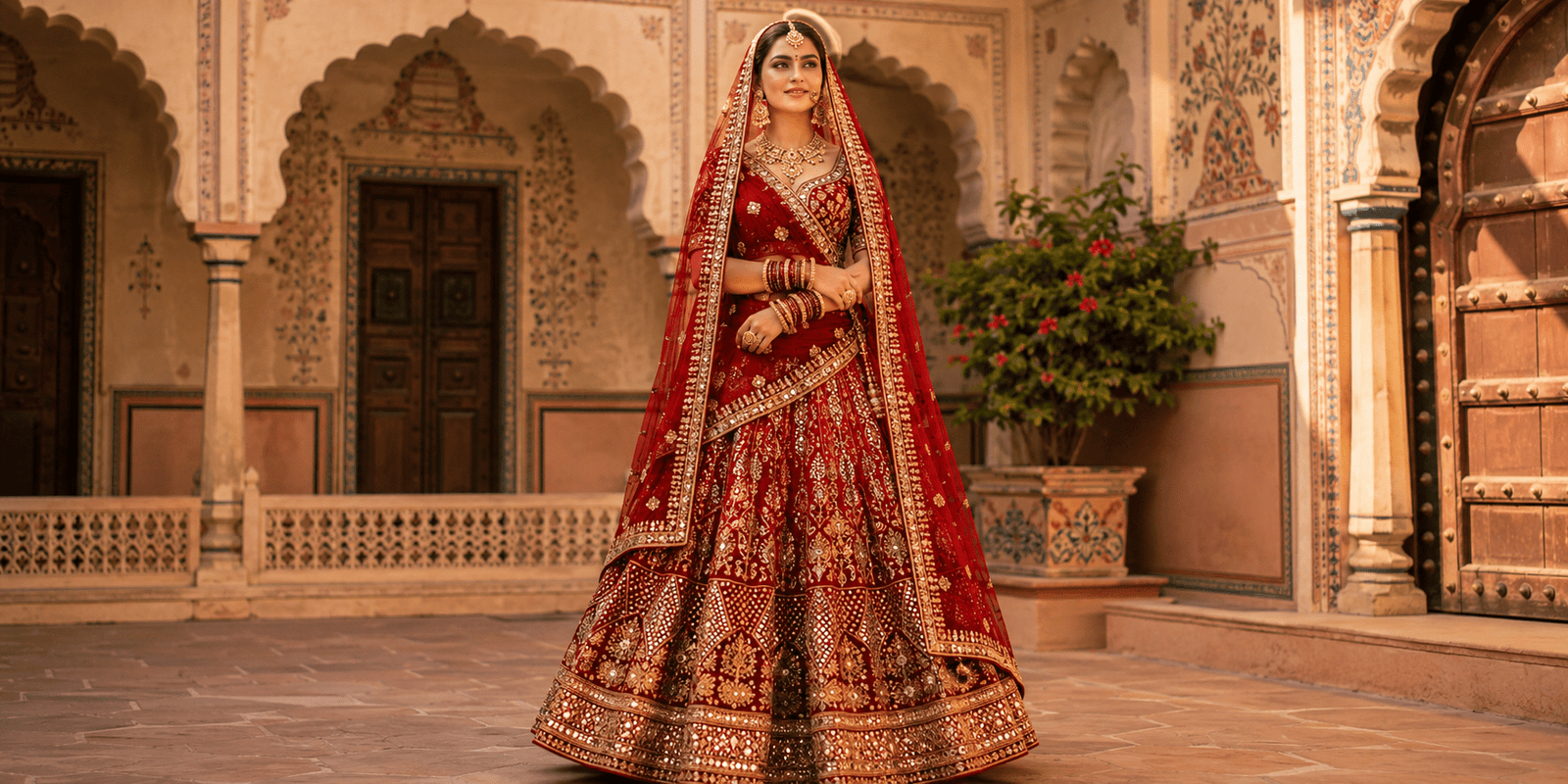
Rajasthani Poshak is one of the most vibrant and culturally rich traditional outfits in India. With its bold colors, intricate embroidery, and timeless elegance, this outfit has been a symbol of Rajasthani identity for centuries. Whether you are dressing for a grand wedding, a festive celebration, a cultural event, or even a casual outing, the Rajasthani Poshak offers a style that is both deeply rooted in heritage and surprisingly versatile.
In this guide, we will walk you through six distinct and stylish ways to wear this iconic outfit so you always look your best, no matter the occasion.
What Is Rajasthani Poshak and Why It Matters
The word “poshak” means attire or clothing in Rajasthani and Hindi. However, when someone refers to a Rajasthani Poshak specifically, they mean a complete traditional outfit that consists of three core pieces: the ghagra (a long, heavily flared skirt), the kanchli or kurti (a fitted blouse), and the odhni (a long dupatta or veil).
This outfit is deeply connected to the lifestyle, geography, and culture of Rajasthan. The desert climate of the region influenced the choice of breathable fabrics, while the royal courts of Jaipur, Jodhpur, and Udaipur inspired the rich use of embroidery, embellishments, and jewel-toned colors that the outfit is known for today.
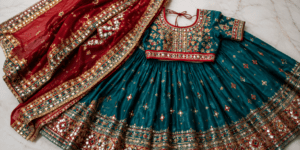
Way 1 — The Classic Bridal Wedding Look
The most grand and celebrated way to wear a Rajasthani Poshak is as a bridal or wedding guest outfit. Rajasthani weddings are known for their grandeur, and the outfits worn at these events match that energy completely.
Choosing the Right Colors and Embroidery
For a wedding look, deep shades like maroon, royal blue, emerald green, or rich magenta work beautifully. The ghagra should feature heavy zardozi or gota patti embroidery, and the odhni should be a sheer silk piece with a gota border along the edges.
If you are the bride, a full aari-work ghagra with a matching embroidered kanchli is the most traditional and stunning choice. If you are a wedding guest, choose slightly lighter tones in peach, mustard, or coral to complement without competing with the bride.
Jewelry and Footwear Pairing
Heavy gold jewelry is non-negotiable for this look. A maang tikka, layered necklace, jhumki earrings, and a kamarbandh (waist belt) come together to create the complete bridal aesthetic. Pair with embroidered mojris or heeled juttis for footwear.
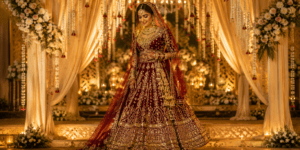
Way 2 — Festive and Folk Festival Styling
Rajasthan is a land of festivals, from Teej and Gangaur to the Pushkar Mela and Desert Festival in Jaisalmer. Each event is a wonderful opportunity to showcase the full vibrancy of traditional Rajasthani ethnic wear.
Colors for Different Festivals
For Teej, women traditionally wear green-toned outfits representing nature and new beginnings. A bandhani ghagra in lime green paired with a mustard odhni creates a stunning festive combination. For Gangaur, bright pinks and oranges are the go-to choice, as this festival celebrates the goddess Gauri with full devotion and color.
Moreover, even outside Rajasthan, wearing a traditional Rajasthani ghagra choli for Navratri garba is becoming increasingly popular across India. The wide, flared ghagra is perfect for dancing, and the vibrant colors align beautifully with the festive energy.
Keeping It Light and Comfortable
For daytime festivals, choose lighter fabrics like cotton or chanderi so you stay comfortable through long hours of celebration. Avoid very heavy embroidery for outdoor daytime events, and opt for bandhani or block-printed ghagras instead.
Way 3 — Casual Day Wear Adaptation
One of the most underrated ways to style a Rajasthani Poshak is for casual everyday wear. This does not mean reducing its beauty. It simply means choosing simpler versions that are easy to move in and comfortable for daily activities.
Simplified Silhouettes for Daily Wear
A cotton ghagra with minimal embroidery or block printing, paired with a simple cotton kurti, creates a relaxed yet ethnic look. You can drape the odhni loosely over one shoulder or use it as a light dupatta. This style is especially popular in small Rajasthani towns and villages, where women wear these outfits as part of their everyday clothing.
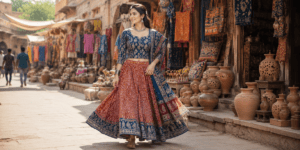
Way 4 — Fusion and Contemporary Styling
Traditional fashion does not always have to be worn in a strictly traditional way. In recent years, many fashion designers and style enthusiasts have experimented with fusion looks that blend Rajasthani elements with modern silhouettes.
Mixing Traditional Pieces with Modern Outfits
One popular fusion approach is to pair an embroidered Rajasthani ghagra skirt with a simple solid-color crop top or structured blazer. This keeps the traditional character of the ghagra intact while giving the overall look a contemporary edge.
Similarly, a bandhani odhni can be styled as a wrap skirt or a stole over a plain kurta. Mirror-work blouses from traditional Rajasthani outfits are also frequently paired with palazzo pants or jeans for an Indo-western combination.
When Fusion Works Best
Fusion styling works best at college events, urban cultural festivals, art exhibitions, and casual gatherings. However, it is advisable to keep the fusion balanced. Overloading embellishments on both the traditional and modern elements can make the look feel cluttered rather than creative.
Way 5 — Regional and Community Occasion Dressing
Different communities within Rajasthan have their own specific variations of the Rajasthani Poshak, and dressing according to regional tradition adds a layer of authenticity and cultural respect to your style.
Regional Differences Worth Knowing
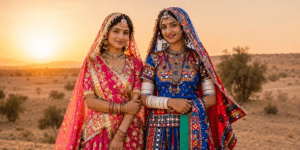
In Jaipur, the gota patti tradition dominates, and outfits tend to be more polished and refined. In Jodhpur and Barmer, mirror work and heavy thread embroidery are more common. Jaisalmer outfits often feature bold geometric patterns and brighter color contrasts influenced by the desert landscape.
Way 6 — Accessorizing for a Complete Traditional Look
No Rajasthani Poshak is truly complete without the right accessories. Accessories are what transform a good outfit into a head-turning look that honors the full tradition of Rajasthani ethnic wear.
Jewelry That Complements the Poshak
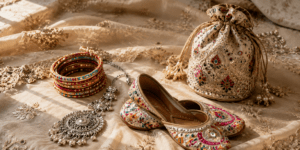
Rajasthani jewelry is as iconic as the clothing itself. The borla (maang tikka), nath (nose ring), and hansli (choker necklace) are among the most traditional pieces. For heavier occasions, layered gold necklaces, chunky bangles, and payal (anklets) complete the look.
Silver jewelry is also popular, particularly in rural and tribal communities. The heavy silver pieces worn by women in Barmer and Jaisalmer districts are particularly distinctive and carry a rustic, earthy beauty.
Footwear and Bag Choices
Embroidered mojris and juttis are the most natural footwear choice with any Rajasthani outfit. For handbags, a potli bag with mirror work or embroidery matches the festive character of the poshak perfectly. However, for casual day wear, simple flat sandals work just as well without adding unnecessary formality.
Fabrics and Embroidery — A Quick Reference
| Embroidery Style | Region Popular In | Best Used For |
|---|---|---|
| Gota Patti | Jaipur | Weddings, festivals |
| Aari Work | Bikaner, Jodhpur | Bridal wear |
| Bandhani (Tie-Dye) | Jodhpur, Barmer | Casual, festive wear |
| Mirror Work (Shisha) | Barmer, Jaisalmer | Folk events, daily wear |
| Zardozi | Jaipur | Formal occasions |
| Block Print | Sanganer, Bagru | Casual, fusion styling |