

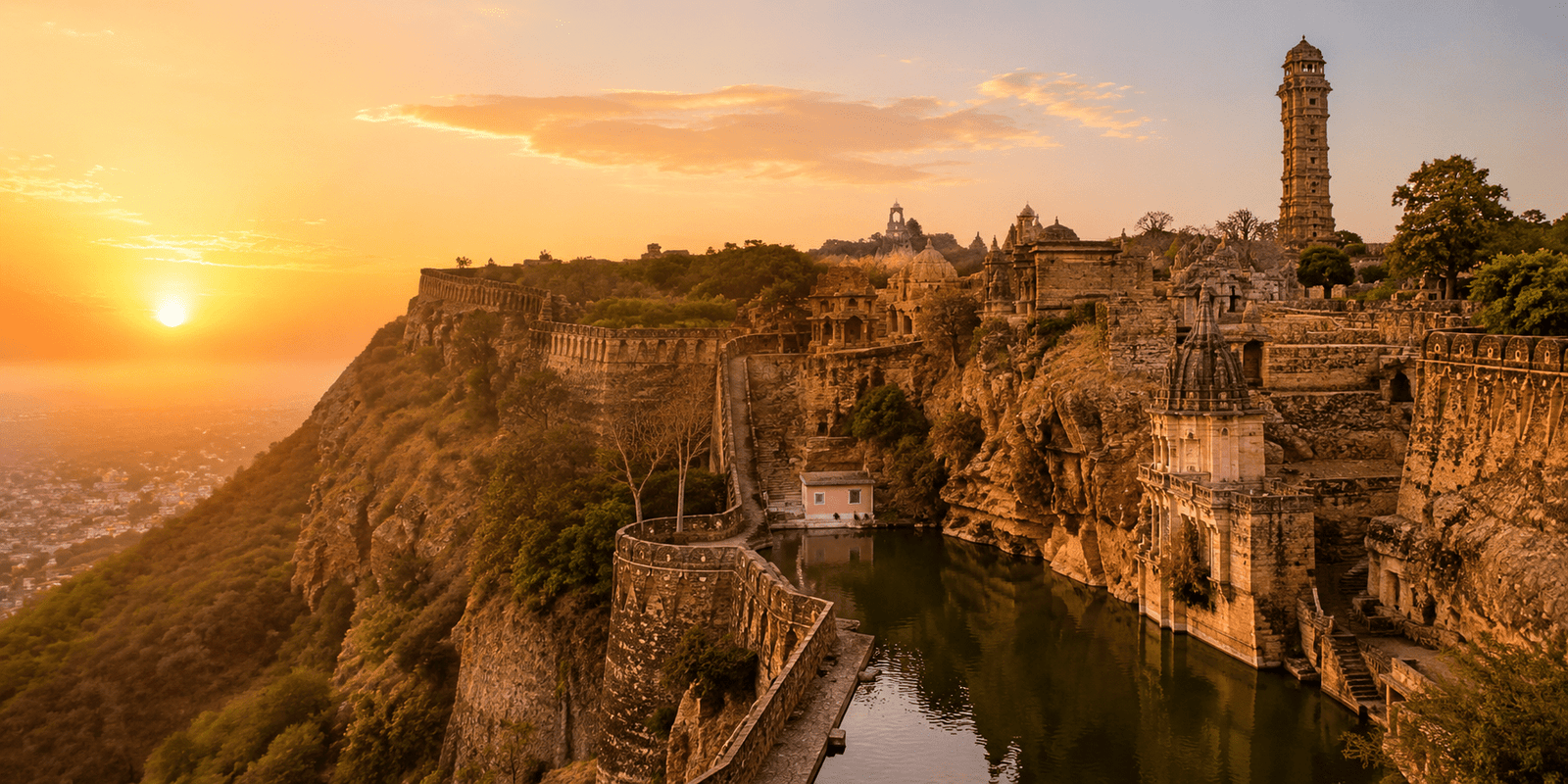
Chittorgarh fort is one of the most powerful symbols of Rajput bravery, sacrifice, and royal heritage in India. Located in Rajasthan, this massive hill fort attracts travelers, photographers, and history lovers from across the world. The fort is not just a tourist attraction; it is a place where stories of courage and pride still feel alive.
Built across nearly 700 acres, the fort offers stunning architecture, ancient temples, royal palaces, and breathtaking viewpoints. Moreover, its connection with legends like Rani Padmini and Maharana Pratap makes the destination emotionally significant for many visitors.
Whether you enjoy historical travel, architecture, or cultural experiences, this destination offers something unforgettable.
1. History of Chittorgarh Fort
The history of Chittorgarh fort dates back several centuries and reflects the strength of the Rajput kingdom of Mewar. The fort served as the capital of Mewar rulers before Udaipur became the new center of administration.
One of the most famous events connected with the fort is the story of Rani Padmini. According to historical legends, she performed jauhar along with thousands of women to protect honor during Alauddin Khilji’s invasion. This event made the fort a symbol of sacrifice and dignity.
In addition, the fort witnessed several major battles involving Mughal rulers and Rajput warriors. Every gate, palace, and tower inside the complex tells a story from Rajasthan’s glorious past.
2. Major Attractions Inside the Fort
There are many important places to explore inside the fort complex. Each structure reflects the artistic excellence and military planning of ancient Rajasthan.
Vijay Stambh
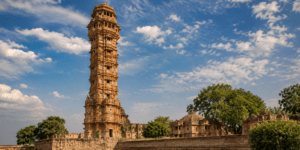
Vijay Stambh, also called the Victory Tower, is one of the most iconic landmarks in the fort. Built by Maharana Kumbha, the tower celebrates victory over invading forces. Its carvings and architecture look especially beautiful during sunrise and sunset.
Rani Padmini Palace
This palace is connected with the legendary queen Rani Padmini. Surrounded by water, the structure creates a peaceful atmosphere and remains one of the most visited spots inside the fort.
Kirti Stambh
Kirti Stambh is another impressive tower known for its Jain architectural influence. Travelers interested in religious art and historical sculptures often spend extra time exploring this monument.
| Attraction | Main Highlight | Best Time to Explore |
|---|---|---|
| Vijay Stambh | Victory tower and carvings | Early morning |
| Padmini Palace | Historic royal palace | Evening |
| Kirti Stambh | Jain architecture | Morning |
| Gaumukh Reservoir | Sacred water source | Afternoon |
| Rana Kumbha Palace | Ancient royal residence | Sunset |
3. Best Time to Visit Chittorgarh Fort
The ideal time to visit Chittorgarh fort is between October and March. During these months, Rajasthan experiences pleasant weather, making sightseeing comfortable and enjoyable.
Winter mornings provide clear skies and beautiful views across the fort walls. Moreover, photographers often prefer this season because the soft natural light enhances the appearance of sandstone structures.
Summer temperatures can become extremely high, especially during the afternoon. Therefore, visitors should avoid peak daytime hours if traveling between April and June.
Monsoon season also offers a unique experience. The surrounding greenery creates a refreshing contrast against the fort’s historic stone architecture.
4. How to Reach the Fort
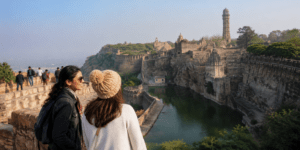
Reaching Chittorgarh fort is relatively easy because the city is well connected by rail and road. Travelers from Jaipur, Udaipur, and Delhi frequently include this destination in their Rajasthan travel itinerary.
The nearest railway station is Chittorgarh Junction, which connects to major Indian cities. From the station, taxis and local transport are easily available.
For air travelers, the nearest airport is in Udaipur, located around 90 kilometers away. From there, visitors can hire a cab or use public transport to reach the fort.
Road trips are also popular because Rajasthan highways offer smooth connectivity and scenic desert landscapes.
5. Architectural Beauty and Design
The architectural style of Chittorgarh fort reflects the strength and artistic vision of Rajput rulers. Massive walls, defensive gates, water reservoirs, and elevated watch points show how carefully the fort was designed for security.
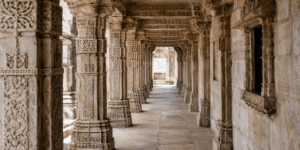
The fort includes several palaces, temples, and towers built using sandstone and limestone. Detailed carvings, balconies, and pillars demonstrate the craftsmanship of ancient artisans.
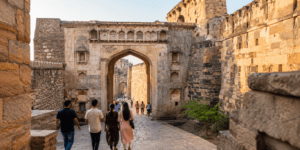
Another fascinating feature is the fort’s seven entrance gates. These gates were strategically placed to slow down invading armies and protect the kingdom.
Even today, the fort’s large size and elevated position create an unforgettable visual impact for visitors.
6. Travel Tips for Visitors
Planning your visit properly can make the experience more comfortable and memorable.
Wear Comfortable Footwear
The fort complex is huge, and visitors often walk long distances between attractions. Comfortable shoes are highly recommended.
Carry Water and Sun Protection
Rajasthan weather can become hot even during cooler months. Therefore, carrying water bottles, sunglasses, and sunscreen is essential.
Hire a Local Guide
A local guide can help you understand the stories and historical importance behind different monuments. This makes the visit far more meaningful.
Visit Early Morning
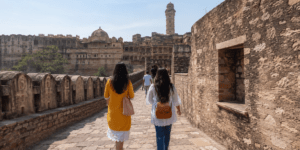
Early hours are less crowded and provide better photography conditions. In addition, the cooler temperature makes exploration easier.
7. Why Chittorgarh Fort Is a UNESCO Heritage Site
Chittorgarh fort is recognized as a UNESCO World Heritage Site because of its historical importance and architectural brilliance. It represents the military traditions, cultural values, and artistic achievements of Rajput civilization.
The fort also reflects how ancient kingdoms balanced defense systems with beautiful urban planning. Temples, reservoirs, and residential areas were carefully integrated into the massive structure.
Moreover, the fort continues to preserve stories of bravery that remain deeply respected in Indian history. This cultural value makes it far more than just an old monument.
8. Final Thoughts on Visiting Chittorgarh Fort
Chittorgarh fort offers a powerful combination of history, architecture, and emotional storytelling. Every part of the fort reflects the courage and pride of Rajasthan’s royal past.
From towering monuments to peaceful palace courtyards, the experience feels both educational and inspiring. Whether you are a solo traveler, photographer, history enthusiast, or family tourist, this destination deserves a place on your travel list.
A visit to Chittorgarh fort is not simply about seeing an old structure. It is about experiencing one of India’s greatest symbols of heritage and resilience.