

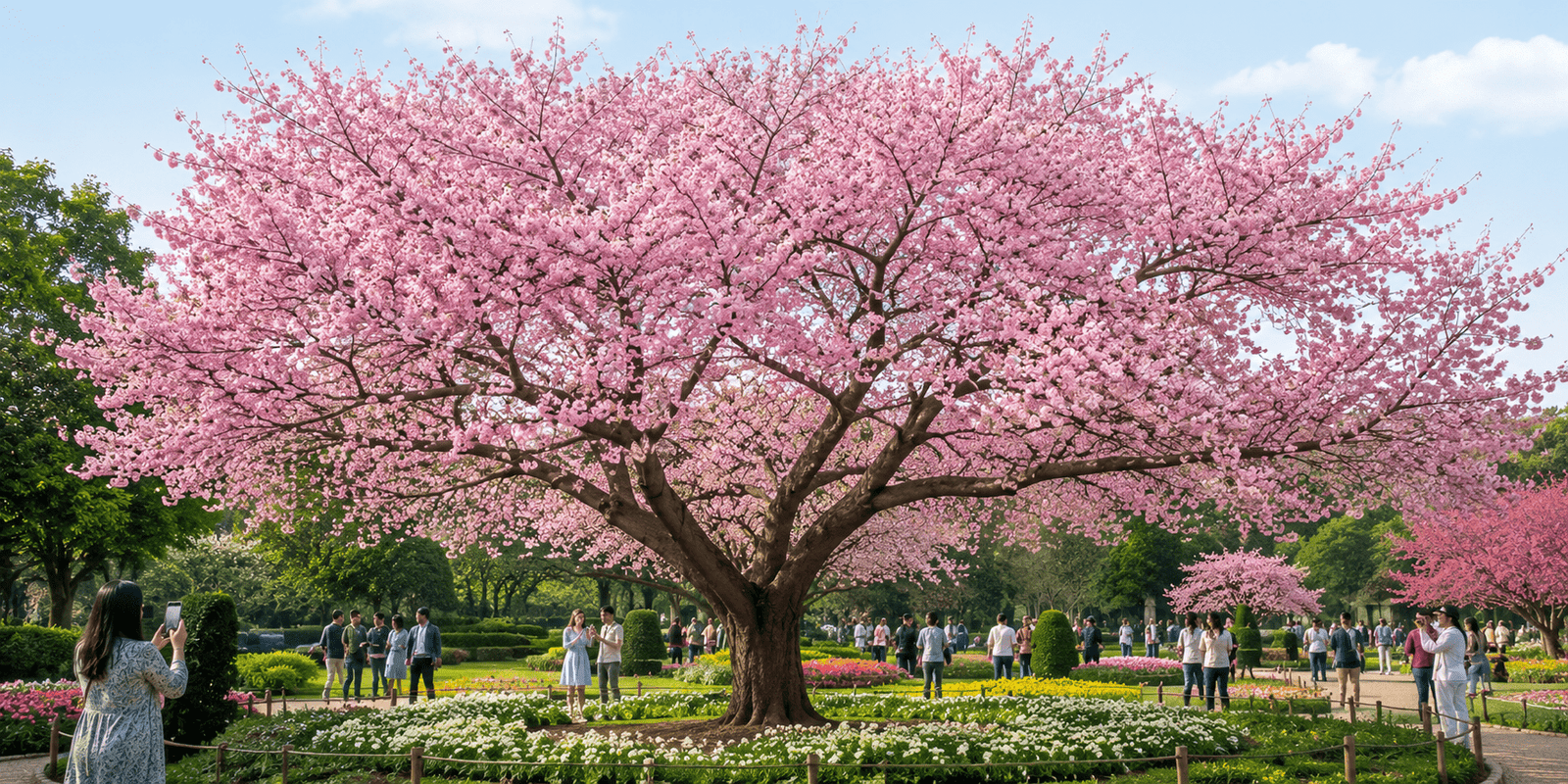
A cherry blossom tree is one of the most admired flowering trees in the world. Known for its delicate pink and white blossoms, this beautiful tree symbolizes renewal, hope, and the arrival of spring. Every year, millions of people visit parks, gardens, and natural landscapes to witness the breathtaking display of cherry blossoms.
Beyond their visual appeal, these trees hold deep cultural significance and have become a favorite choice for homeowners, gardeners, and nature enthusiasts. Whether you want to learn about their meaning, growth habits, or care requirements, this guide covers everything you need to know.
What Is a Cherry Blossom Tree?
A cherry blossom tree is an ornamental tree that produces beautiful flowers during spring. Unlike fruit-producing cherry trees, many ornamental varieties are grown primarily for their stunning floral displays.
The flowers typically bloom in shades of pink and white, creating picturesque landscapes that attract photographers, travelers, and nature lovers. Their short blooming period adds to their charm, making the experience even more special.
Key Characteristics
| Feature | Description |
|---|---|
| Scientific Group | Prunus Species |
| Bloom Colors | Pink, White |
| Blooming Season | Spring |
| Average Height | 15–40 Feet |
| Lifespan | 20–50+ Years |
| Primary Use | Ornamental Landscaping |
History and Cultural Significance
Cherry blossoms have been celebrated for centuries, especially in Japan, where they represent the beauty and temporary nature of life. The annual tradition of flower viewing attracts visitors from around the world.
Many cultures associate these blossoms with new beginnings, personal growth, and appreciation for nature. As a result, cherry blossom festivals have become popular in various countries.
The fleeting beauty of the flowers serves as a reminder to enjoy life’s special moments. This symbolism continues to resonate with people across generations.
Popular Types of Cherry Blossom Trees
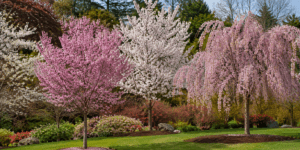
Not all cherry blossom trees look the same. Several varieties offer unique flower shapes, colors, and growth patterns.
Yoshino Cherry
The Yoshino variety is famous for its pale pink and white flowers. It is commonly planted along streets, parks, and public gardens.
Kwanzan Cherry
This variety produces vibrant pink double-petal flowers. Its fuller blooms create a dramatic spring display.
Weeping Cherry
Recognized by its graceful cascading branches, the weeping cherry adds elegance to any landscape.
Okame Cherry
Known for its early blooming period, the Okame cherry produces bright pink blossoms before many other varieties begin flowering.
Cherry Blossom Blooming Season
The blooming season varies depending on climate, location, and tree variety. In most regions, blossoms appear during early to mid-spring.
The flowers generally remain at their peak for one to two weeks. Weather conditions play a major role in determining how long the blooms last. Warm temperatures can speed up flowering, while cooler weather may extend the blooming period.
Because the bloom window is relatively short, many people plan trips specifically around cherry blossom season.
Factors Affecting Bloom Time
Climate
Warmer regions often experience earlier blooms.
Tree Variety
Different varieties flower at slightly different times.
Weather Conditions
Rain, wind, and temperature fluctuations can impact blossom duration.
Benefits of Growing Cherry Blossom Trees
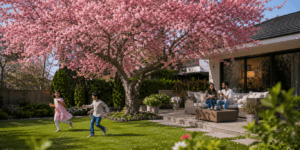
A cherry blossom tree offers more than visual beauty. It can enhance both residential and public landscapes in meaningful ways.
Improves Landscape Appeal
The stunning blooms create a focal point in gardens and outdoor spaces.
Supports Local Wildlife
Bees and other pollinators benefit from the seasonal flowers.
Increases Property Value
Well-maintained ornamental trees often contribute to attractive landscaping.
Creates Relaxing Outdoor Spaces
The peaceful appearance of blooming trees encourages outdoor enjoyment and relaxation.
Cherry Blossom Tree Care Guide
Although cherry blossom trees are relatively easy to maintain, proper care helps ensure healthy growth and beautiful blooms.
Planting Location
Choose a location that receives plenty of sunlight. Most varieties perform best with at least six hours of direct sunlight daily.
Soil Requirements
Well-draining soil is essential. Excess moisture can lead to root problems and poor tree health.
Watering
Young trees require regular watering while establishing roots. Mature trees generally need less frequent watering.
Pruning
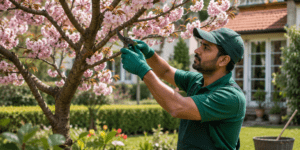
Prune damaged or crowded branches during the dormant season to improve airflow and overall structure.
Fertilization
Applying a balanced fertilizer in early spring can support healthy growth and flowering.
Common Challenges
Pests, fungal diseases, and environmental stress may occasionally affect the tree. Regular inspections help identify issues before they become serious.
Best Places to See Cherry Blossoms
Many destinations around the world are known for their spectacular cherry blossom displays.
Japan
Japan remains the most famous destination for cherry blossom viewing. Cities, parks, and riversides transform into stunning pink landscapes each spring.
Washington, D.C.
The city hosts a popular annual cherry blossom festival that attracts visitors from around the globe.
South Korea
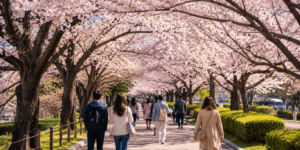
Numerous parks and urban areas feature beautiful blossom-lined pathways during spring.
Europe
Several European gardens and botanical parks showcase impressive flowering cherry trees.
Visiting these destinations during peak bloom offers unforgettable opportunities for photography, sightseeing, and outdoor recreation.
Conclusion
The cherry blossom tree continues to captivate people with its extraordinary beauty, rich symbolism, and seasonal charm. From its cultural significance to its stunning spring blooms, this remarkable tree remains one of nature’s most beloved attractions.
Whether you plan to grow one in your garden or travel to admire famous blossom displays, a cherry blossom tree offers a memorable connection to the beauty of the natural world.