

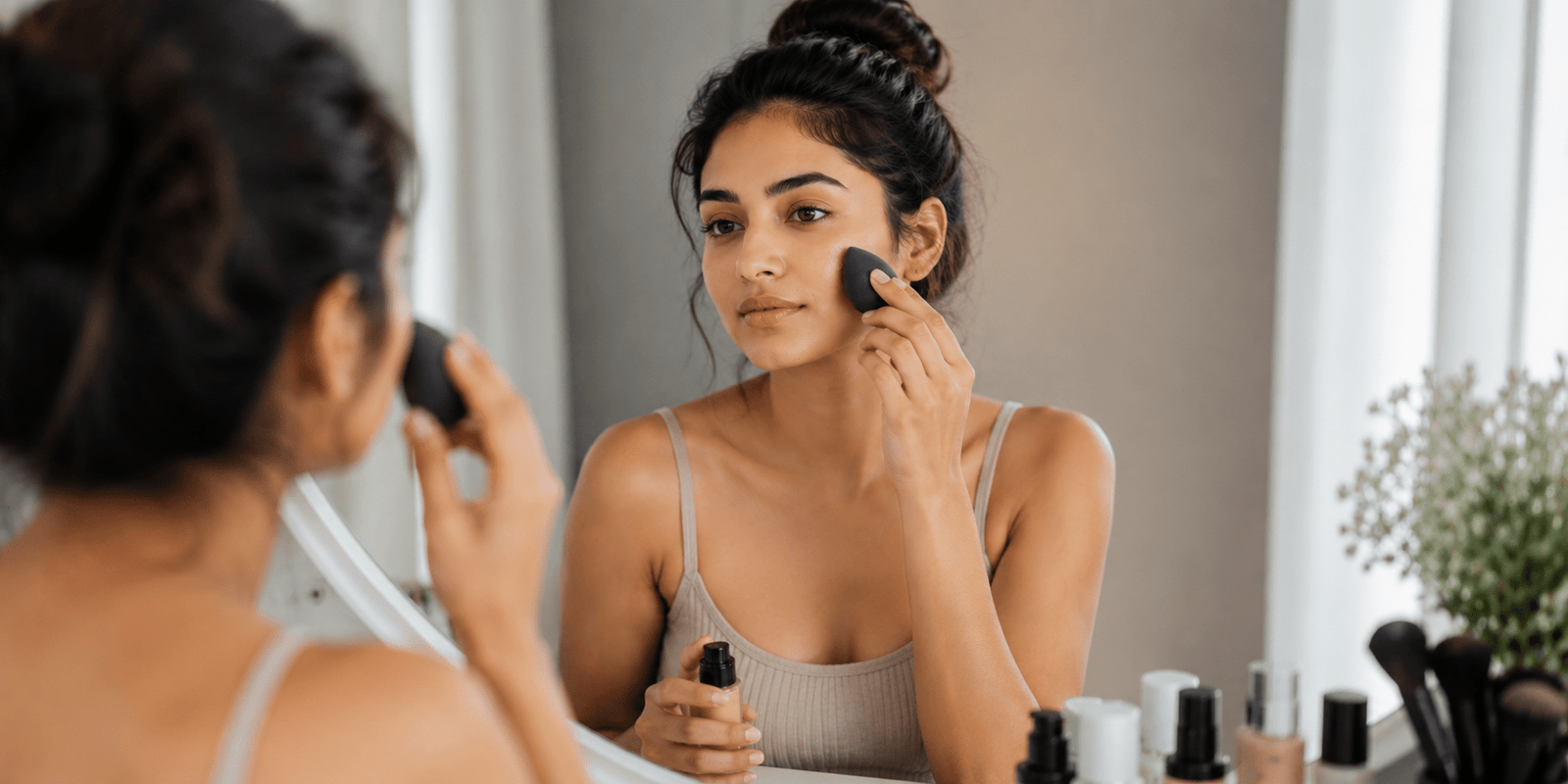
Foundation for oily skin is one of the most important beauty products for achieving a fresh, shine-free, and polished appearance throughout the day. While oily skin can help maintain a youthful look, it often creates challenges when applying makeup. Excess oil can cause foundation to break down, fade, or appear patchy within a few hours.
The good news is that choosing the right foundation and following a proper application routine can significantly improve your makeup results. This guide will help you understand what works best for oily skin and how to achieve long-lasting matte coverage.
Why Oily Skin Requires Special Foundation
People with oily skin often experience excess sebum production, particularly around the forehead, nose, and chin. This natural oil can mix with makeup and reduce its staying power.
Regular foundations may not be formulated to withstand high oil production. As a result, they can separate, oxidize, or make the skin appear greasy. A foundation designed for oily skin contains ingredients that help control shine while maintaining even coverage.
Additionally, these formulas are often lightweight and breathable, reducing the risk of clogged pores and breakouts.

Key Features to Look for in a Foundation
When shopping for a foundation, it is important to focus on performance rather than brand popularity alone.
Oil-Control Formula
Look for foundations specifically labeled as oil-free or oil-control. These products are designed to minimize shine and improve makeup longevity.
Matte Finish
A matte finish helps reduce the appearance of excess oil without making the skin look dull. Modern matte foundations often provide a natural skin-like finish.
Long-Wear Technology
Long-lasting formulas are ideal for busy schedules. They resist fading and maintain coverage even in warm weather conditions.
Non-Comedogenic Ingredients
Non-comedogenic products are less likely to clog pores, making them suitable for oily and acne-prone skin.
Choosing the Right Foundation for Oily Skin
Selecting the right product involves more than simply matching your skin tone.
Determine Your Coverage Preference
Some people prefer light coverage for everyday wear, while others need medium or full coverage to conceal blemishes and uneven skin tone.
Consider Your Skin Concerns
If you have acne-prone skin, choose foundations with skincare-friendly ingredients. If enlarged pores are your main concern, look for pore-blurring formulas.
Test Before Purchasing
Apply foundation along your jawline and check it in natural lighting. This helps ensure the shade blends seamlessly with your complexion.
Prioritize Comfort
A good foundation should feel lightweight and comfortable throughout the day. Heavy products can become uncomfortable and contribute to excess shine.

Foundation Types and Their Benefits
Different foundation formats offer unique advantages for oily skin.
Liquid Foundation
Liquid foundations are versatile and widely available. Many oil-control options provide excellent coverage while maintaining a natural finish.
Powder Foundation
Powder foundations are effective at absorbing excess oil. They are particularly useful for quick touch-ups during the day.
Stick Foundation
Stick foundations offer convenience and portability. However, individuals with very oily skin should choose lightweight formulas.
Cushion Foundation
Cushion foundations provide a fresh and lightweight feel. Some modern versions include oil-control benefits suitable for combination and oily skin.
Foundation Comparison Table
| Foundation Type | Coverage Level | Oil Control | Best For |
|---|---|---|---|
| Liquid Foundation | Medium to Full | High | Daily Wear |
| Powder Foundation | Light to Medium | Very High | Touch-Ups |
| Stick Foundation | Medium to Full | Moderate | Travel Use |
| Cushion Foundation | Light to Medium | Moderate | Natural Makeup |
How to Apply Foundation for Long-Lasting Wear
Even the best foundation cannot perform well without proper preparation.
Start with a Clean Face
Remove excess oil and dirt using a gentle cleanser. Clean skin creates a better base for makeup application.
Use a Mattifying Primer
A mattifying primer helps control oil production and improves foundation adherence. This step can significantly extend wear time.
Apply Thin Layers
Instead of applying a thick layer at once, build coverage gradually. Thin layers tend to look more natural and last longer.
Set with Powder
A lightweight setting powder helps lock foundation in place and reduces shine throughout the day.
Finish with Setting Spray
A setting spray designed for oily skin can provide additional durability and improve overall makeup performance.

Common Mistakes to Avoid
Many people unknowingly reduce the effectiveness of their foundation by making simple mistakes.
Skipping Primer
Without primer, foundation may break down more quickly due to excess oil production.
Using Too Much Product
Heavy application can make makeup look cakey and increase the likelihood of separation.
Ignoring Skin Preparation
Proper cleansing and moisturizing are essential, even for oily skin.
Choosing the Wrong Finish
Dewy foundations may not always work well for very oily skin. Matte or semi-matte finishes are often more suitable.
Not Setting Makeup
Failing to set foundation properly can shorten wear time and increase shine.
Final Thoughts
Finding the right foundation for oily skin does not have to be complicated. By choosing oil-control formulas, prioritizing matte finishes, and following proper application techniques, you can achieve a smooth and fresh complexion that lasts throughout the day.
Remember that skincare preparation is just as important as the foundation itself. With the right combination of products and techniques, you can enjoy long-lasting matte coverage and a confident, polished look regardless of your daily activities.