

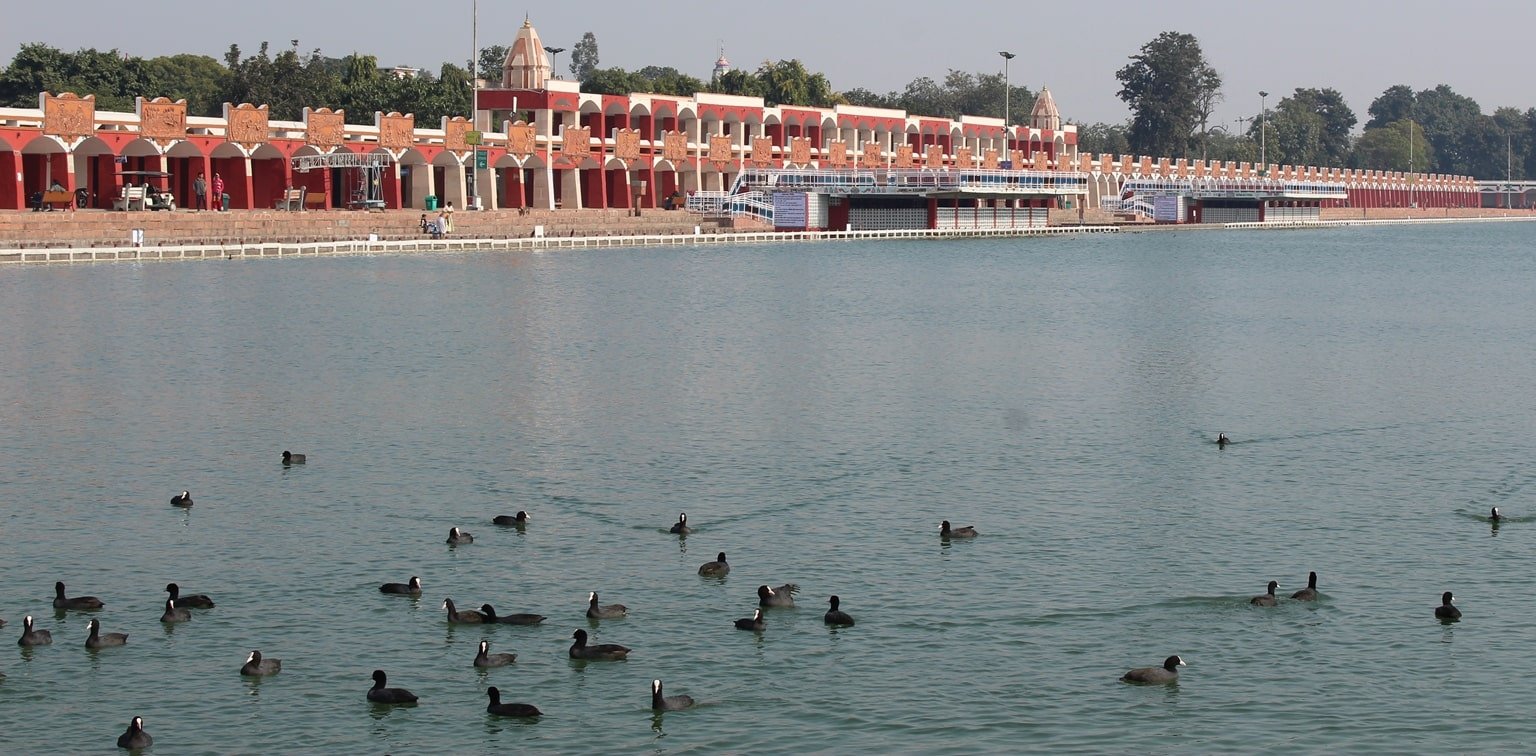
Brahma Sarovar is one of the most famous spiritual and historical attractions in Kurukshetra, Haryana. Known for its religious significance, scenic beauty, and connection to ancient Hindu traditions, this sacred water reservoir attracts thousands of visitors throughout the year. Whether you are interested in history, spirituality, photography, or cultural tourism, Brahma Sarovar offers a memorable experience.
Located in the heart of Kurukshetra, the site is closely associated with Hindu mythology and is considered one of the most sacred pilgrimage destinations in India. Its vast water body, peaceful surroundings, and cultural importance make it a must-visit place for travelers exploring Haryana.
History of Brahma Sarovar
The history of Brahma Sarovar is deeply connected with ancient Hindu scriptures and legends. According to traditional beliefs, this sacred reservoir was created by Lord Brahma, the creator of the universe. It is believed that Lord Brahma performed the act of creation from this holy place, which is why the reservoir is named Brahma Sarovar.
Kurukshetra itself is known as the land of the Mahabharata. Ancient texts mention the region as a sacred center of learning, spirituality, and religious gatherings. Over the centuries, rulers and local authorities contributed to the preservation and development of the sarovar, transforming it into one of the largest man-made sacred water tanks in Asia.
Today, visitors can witness a blend of mythology, history, and modern infrastructure that makes the destination unique.

Religious Importance of Brahma Sarovar
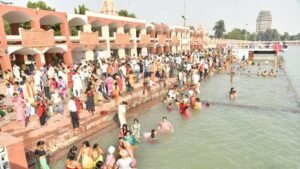
For devotees, Brahma Sarovar holds immense religious significance. Many believe that taking a holy dip in its waters during solar eclipses and important Hindu festivals brings spiritual benefits and blessings.
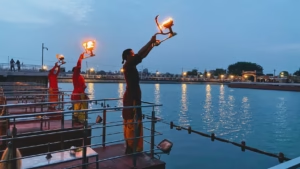
The site attracts pilgrims from different parts of India, especially during festivals such as Gita Jayanti and Kartik Purnima. During these occasions, the atmosphere becomes vibrant with religious ceremonies, devotional music, and cultural activities.
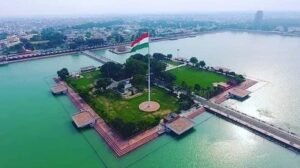
The sarovar also features a temple dedicated to Lord Shiva situated on an island-like platform within the water body. This temple adds to the spiritual charm of the destination and is a popular spot for worship.
Key Attractions at Brahma Sarovar
Visitors can enjoy several attractions while exploring the area.
Large Sacred Water Reservoir
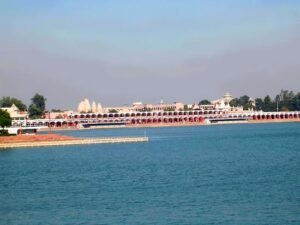
The most striking feature is the enormous water body surrounded by well-maintained pathways and ghats. The reflection of the sky on the calm waters creates a stunning visual experience.
Lord Shiva Temple
Located within the reservoir, the temple attracts devotees and photographers alike. Its location enhances the scenic beauty of the sarovar.
Evening Light and Fountain Show
Many visitors enjoy the evening fountain and lighting arrangements. The illuminated surroundings create a peaceful and attractive environment after sunset.
Walking and Relaxation Areas
Wide pathways around the reservoir provide excellent opportunities for morning walks, photography, and relaxation.
| Attraction | Why Visit |
|---|---|
| Sacred Reservoir | Spiritual significance and scenic views |
| Shiva Temple | Religious worship and architecture |
| Evening Fountain Show | Beautiful nighttime atmosphere |
| Walking Paths | Leisure walks and photography |
| Festival Celebrations | Cultural and religious experiences |
Travel Information for Visitors
Reaching Brahma Sarovar is convenient because Kurukshetra is well connected by road and rail networks.
By Road
Kurukshetra can be easily reached from Delhi, Chandigarh, Karnal, and other major cities of North India. Regular buses and private vehicles frequently travel to the city.
By Train
Kurukshetra Junction Railway Station serves as an important railway hub. From the station, local transport options are available to reach the sarovar.
By Air
The nearest major airports are in Chandigarh and Delhi. Travelers can continue their journey by road or rail.
The site generally remains open throughout the day, allowing visitors to explore comfortably.
Best Time to Visit
The ideal time to visit Brahma Sarovar is between October and March. During these months, the weather remains pleasant and suitable for sightseeing.
Winter mornings provide excellent opportunities for photography, while evenings offer beautiful views of the illuminated surroundings.
Festival periods can also be exciting because visitors can experience the cultural and spiritual atmosphere of Kurukshetra. However, these periods may be more crowded than usual.
Nearby Places to Explore
A visit to Brahma Sarovar can be combined with other famous attractions in Kurukshetra.
Jyotisar
Known as the place where Lord Krishna delivered the Bhagavad Gita to Arjuna.
Sannihit Sarovar
Another sacred water body believed to hold great religious importance.
Kurukshetra Panorama and Science Centre
An educational attraction that showcases the history of the Mahabharata through exhibits and displays.
Sheikh Chilli’s Tomb
A historical monument featuring beautiful Mughal architecture and peaceful gardens.
Visitor Tips
Carry Comfortable Footwear
The area around the sarovar is extensive, and visitors often spend several hours exploring.
Visit Early Morning or Evening
These times provide pleasant weather and excellent photography conditions.
Respect Religious Traditions
As a sacred destination, visitors should maintain cleanliness and follow local customs.
Stay Hydrated
During warmer months, carrying drinking water can make the visit more comfortable.
Plan Nearby Sightseeing
Combining multiple attractions into a single trip helps maximize the travel experience.
Conclusion
Brahma Sarovar stands as one of the most important spiritual and historical landmarks in Kurukshetra. Its fascinating history, deep religious significance, beautiful surroundings, and cultural heritage make it a destination worth visiting for travelers of all interests.
Whether you want to explore ancient traditions, enjoy peaceful scenery, attend religious festivals, or learn about the history of Kurukshetra, Brahma Sarovar offers a rewarding experience. A visit to this sacred site provides a unique glimpse into India’s rich spiritual and cultural legacy.