

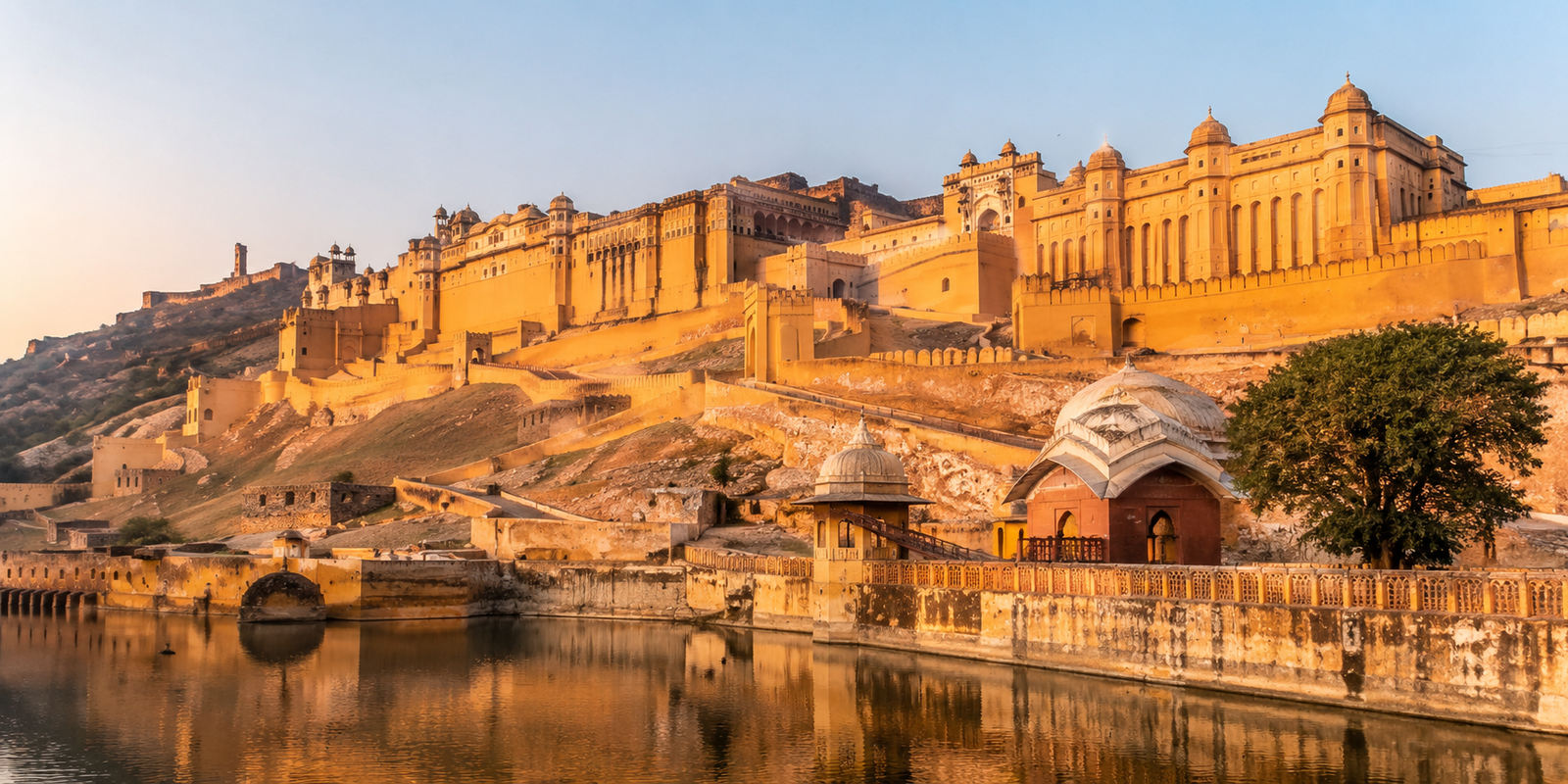
Amer fort stands as one of Rajasthan’s most magnificent symbols of royal heritage and Rajput pride. Located on the hills of Jaipur, this architectural masterpiece is far more than a popular tourist attraction. Its walls, courtyards, and palaces preserve centuries of fascinating stories about kings, queens, warriors, and royal traditions.
Built with a blend of Rajput and Mughal architectural styles, Amer Fort continues to captivate visitors with its beauty and historical significance. Behind every gate and palace lies a story that shaped the history of Rajasthan. In this guide, we explore seven remarkable royal stories that make Amer Fort one of India’s most treasured historical landmarks.
1. The Rise of the Kachwaha Dynasty
The story of Amer Fort begins with the powerful Kachwaha Rajputs, who established their rule in the region centuries ago. Before Jaipur became the capital, Amer served as the center of political power and royal administration.
The Kachwaha rulers transformed Amer into a prosperous kingdom known for its military strength, diplomacy, and cultural achievements. Their leadership laid the foundation for the magnificent fort that visitors admire today.
2. Raja Man Singh’s Grand Vision
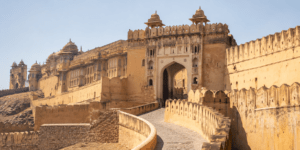
One of the most important royal figures associated with amer fort is Raja Man Singh I. A trusted general in Emperor Akbar’s court, he played a crucial role in expanding and strengthening the kingdom.
In 1592, Raja Man Singh began constructing the fort as a symbol of royal authority and prosperity. His vision combined military security with luxurious royal living spaces. Many sections of the fort that exist today reflect his ambition and architectural taste.
The impressive courtyards, palaces, and decorative details reveal the grandeur of his reign.
3. The Royal Connection with the Mughal Empire
Amer Fort tells an important story about the relationship between Rajput rulers and the Mughal Empire. Unlike many kingdoms that constantly fought against the Mughals, the Kachwaha rulers established strategic alliances.
These relationships brought political stability, economic growth, and cultural exchange. As a result, visitors can observe both Rajput and Mughal influences throughout the fort’s architecture.
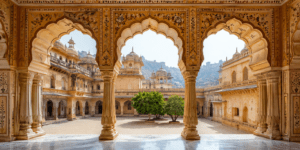
Elegant arches, intricate carvings, and beautifully designed gardens demonstrate how two powerful cultures influenced each other during a significant period in Indian history.
4. The Story Behind the Sheesh Mahal
Among all attractions within amer fort, the Sheesh Mahal or Mirror Palace remains one of the most famous. This royal chamber showcases extraordinary craftsmanship using thousands of small mirrors embedded into walls and ceilings.
According to popular accounts, a single lamp could illuminate the entire room as the mirrors reflected light in every direction. This created a magical atmosphere for royal gatherings and celebrations.
The Sheesh Mahal reflects the artistic excellence and luxurious lifestyle enjoyed by Rajasthan’s royal families.
| Feature | Historical Significance |
|---|---|
| Sheesh Mahal | Royal entertainment and ceremonies |
| Diwan-e-Aam | Public audience hall |
| Diwan-e-Khas | Private royal meetings |
| Ganesh Pol | Decorative royal entrance |
| Sukh Niwas | Summer retreat for royalty |
5. Royal Women and Their Hidden World
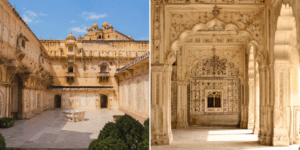
The queens and royal women of Amer Fort played an important role in shaping palace life. Their residences were carefully designed to provide comfort, security, and privacy.
The Zenana, or women’s quarters, consisted of multiple rooms connected through hidden passages and courtyards. These areas allowed royal women to maintain their privacy while remaining close to palace activities.
The architecture reflects a thoughtful balance between tradition, security, and royal luxury. Today, visitors can still appreciate the intricate designs and living spaces that once housed the royal family.
6. The Strategic Defense of Amer Fort
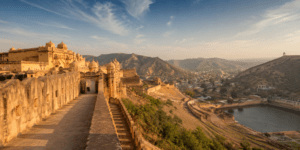
While Amer Fort is admired for its beauty, it was also designed as a powerful defensive structure. Built on elevated terrain, the fort offered excellent visibility across the surrounding landscape.
Massive walls, fortified gates, and carefully planned pathways helped protect the kingdom from potential invasions. The location itself provided a natural advantage, making it difficult for enemies to launch successful attacks.
This combination of military planning and architectural brilliance contributed to the kingdom’s long-term stability and success.
7. The Shift from Amer to Jaipur
One of the most significant chapters in the history of amer fort occurred during the reign of Sawai Jai Singh II. As the population grew and administrative needs expanded, the ruler decided to establish a new capital.
This decision led to the creation of Jaipur in 1727, one of India’s first planned cities. Although the royal court gradually shifted to Jaipur, Amer Fort remained an important symbol of royal heritage and historical pride.
Today, the fort continues to preserve the legacy of the rulers who shaped Rajasthan’s cultural and political landscape.
Conclusion
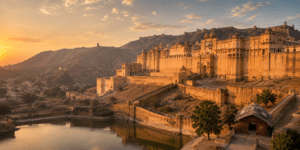
Amer fort is much more than an architectural marvel. It is a living record of Rajasthan’s royal past, preserving stories of visionary rulers, strategic alliances, artistic achievements, and royal traditions.
From Raja Man Singh’s grand vision to the creation of Jaipur, every corner of the fort reflects centuries of history and heritage. For travelers, history enthusiasts, and culture lovers, Amer Fort offers a unique opportunity to experience the royal legacy that helped shape Rajasthan into one of India’s most fascinating destinations.