

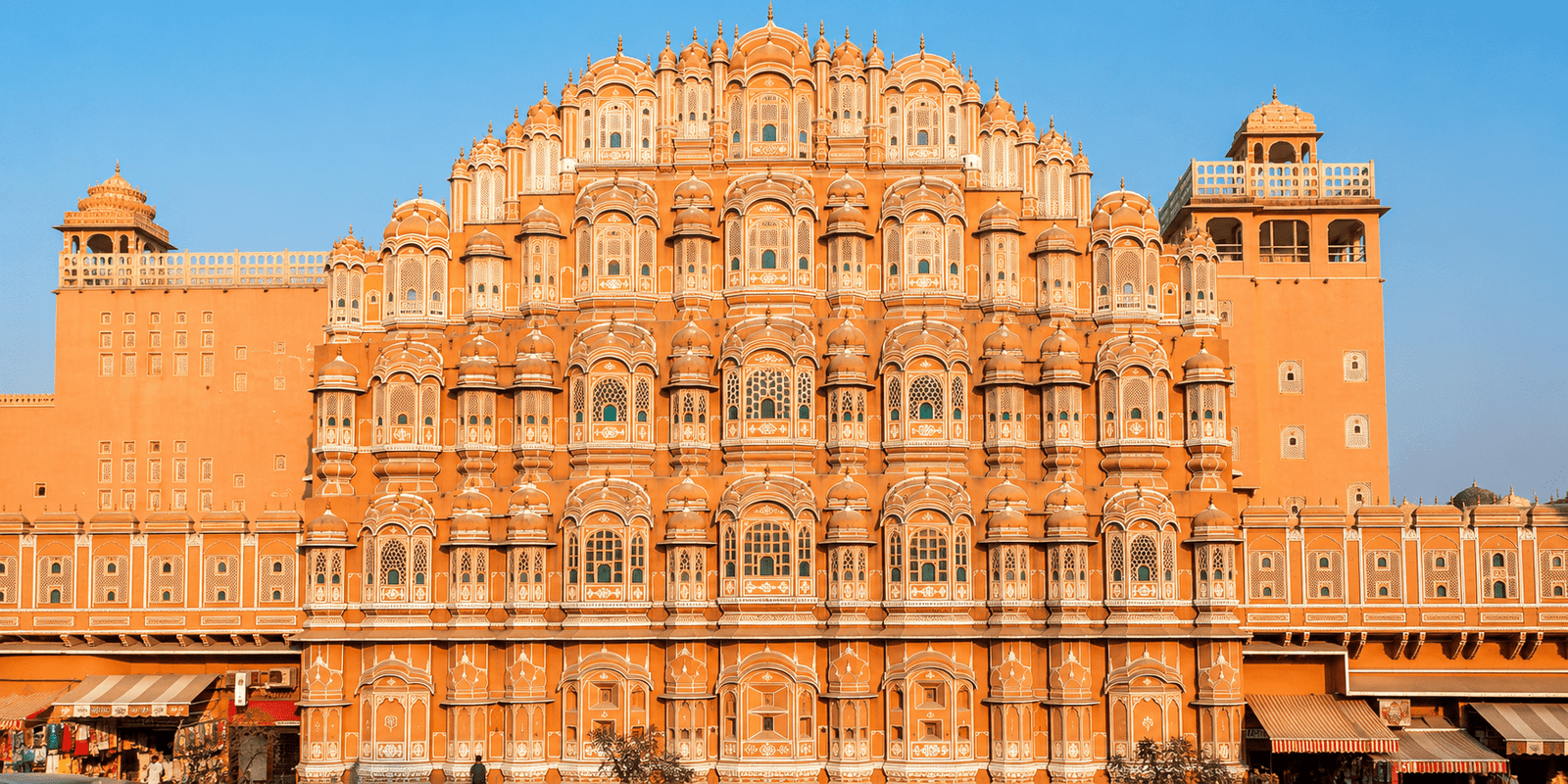
Hawa mahal is one of the most recognizable landmarks in Jaipur and a symbol of Rajasthan’s rich royal heritage. Located in the heart of the Pink City, this architectural masterpiece attracts travelers, photographers, and history enthusiasts from around the world.
Built more than two centuries ago, the Palace of Winds is admired for its unique honeycomb design, beautiful windows, and fascinating history. Whether you are planning your first trip to Jaipur or simply exploring Rajasthan’s cultural treasures, understanding the story behind this monument can make your visit more meaningful.
1. Hawa Mahal at a Glance
Situated near the bustling markets of Jaipur, Hawa Mahal stands as one of the city’s most photographed monuments. It was designed to blend beauty with functionality and remains an excellent example of Rajput architecture.
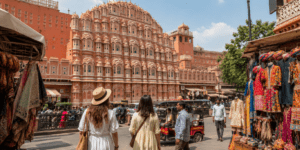
The structure rises five stories high and features hundreds of small windows that create its distinctive appearance. From a distance, the monument resembles the crown of Lord Krishna, reflecting the devotion of the ruler who commissioned it.
Quick Information
| Detail | Information |
|---|---|
| Location | Jaipur, Rajasthan |
| Built In | 1799 |
| Built By | Maharaja Sawai Pratap Singh |
| Architectural Style | Rajput Architecture |
| Famous For | 953 Windows (Jharokhas) |
| Popular Name | Palace of Winds |
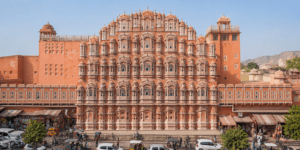
2. The History Behind Hawa Mahal
The story of Hawa Mahal begins in 1799 when Maharaja Sawai Pratap Singh decided to construct a unique palace for the royal women of his court.
During that era, royal women followed the purdah system and were not expected to appear in public spaces. However, they still wished to observe festivals, celebrations, and everyday life in Jaipur. To solve this challenge, the palace was designed with numerous screened windows that allowed women to watch street activities without being seen.
This thoughtful design made Hawa Mahal both practical and elegant, ensuring privacy while maintaining a connection with city life.
3. Why It Is Called the Palace of Winds
One of the most fascinating aspects of Hawa Mahal is the reason behind its famous nickname.
Natural Ventilation System
The palace contains 953 small windows, also known as jharokhas. These openings allow cool air to circulate throughout the building. Even during Rajasthan’s hot summers, the airflow helped maintain a comfortable environment inside the palace.
The scientific design created a natural cooling effect long before modern air-conditioning systems existed. This clever use of architecture is the reason the structure became known as the “Palace of Winds.”
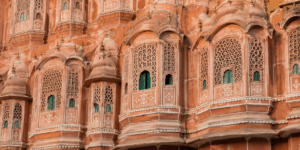
4. Unique Architectural Features
The architecture of Hawa Mahal continues to impress visitors and experts alike.
Honeycomb Design
The front facade resembles a honeycomb with rows of beautifully designed windows. This distinctive appearance makes the monument instantly recognizable.
Pink Sandstone Construction
The structure is built using pink and red sandstone, perfectly matching Jaipur’s identity as the Pink City.
Blend of Art and Engineering
Every element of the palace serves a purpose. While the windows create beauty, they also improve airflow and visibility. This balance between aesthetics and functionality highlights the brilliance of traditional Indian architecture.
Visitors often spend hours admiring the intricate carvings, arches, and decorative details found throughout the structure.
5. Best Time to Visit Hawa Mahal
Choosing the right time can significantly improve your experience.
Morning Hours
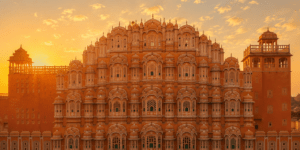
Early morning is considered the best time to visit. The sunlight illuminates the pink facade beautifully, creating ideal photography conditions.
Winter Season
The months from October to March offer pleasant weather for sightseeing. Travelers can comfortably explore the monument and nearby attractions without facing extreme heat.
6. Visitor Information and Travel Tips
Planning ahead can help you enjoy a smoother visit.
Entry and Exploration
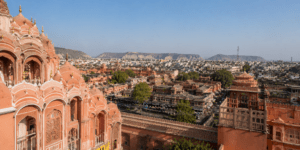
Visitors can explore several sections of the palace, including corridors, viewing points, and small chambers. The upper levels provide attractive views of Jaipur’s busy streets and historic surroundings.
Useful Tips
- Visit early to avoid crowds.
- Carry water during warmer months.
- Wear comfortable walking shoes.
- Keep your camera ready for stunning architectural photographs.
- Allocate at least one hour for a complete visit.
These simple tips can make your experience more enjoyable and memorable.
7. Nearby Attractions to Explore
A visit to Hawa Mahal can easily be combined with several nearby landmarks.
City Palace
Located close to the monument, City Palace offers insights into Jaipur’s royal history and cultural heritage.
Jantar Mantar
This UNESCO World Heritage Site showcases remarkable astronomical instruments and scientific achievements.
Local Markets
Nearby bazaars offer traditional textiles, jewelry, handicrafts, and souvenirs that reflect Rajasthan’s artistic traditions.
8. Why Hawa Mahal Remains a Jaipur Icon
Despite being over two centuries old, Hawa Mahal continues to represent the spirit of Jaipur. Its combination of historical significance, architectural innovation, and visual appeal makes it one of India’s most celebrated monuments.
The palace demonstrates how traditional architecture can solve practical challenges while creating extraordinary beauty. Every window, arch, and carving tells a story about Rajasthan’s royal past and artistic excellence.
For travelers seeking an authentic cultural experience, Hawa Mahal offers far more than a photo opportunity. It provides a glimpse into the traditions, craftsmanship, and ingenuity that shaped one of India’s most vibrant cities.
Conclusion
Hawa Mahal remains one of Jaipur’s most treasured landmarks and an essential destination for anyone exploring Rajasthan. From its remarkable history and innovative ventilation system to its breathtaking architecture, the Palace of Winds continues to captivate visitors from around the world.
Whether you are interested in history, photography, architecture, or cultural exploration, Hawa Mahal offers a memorable experience that reflects the grandeur of Jaipur’s royal heritage.