

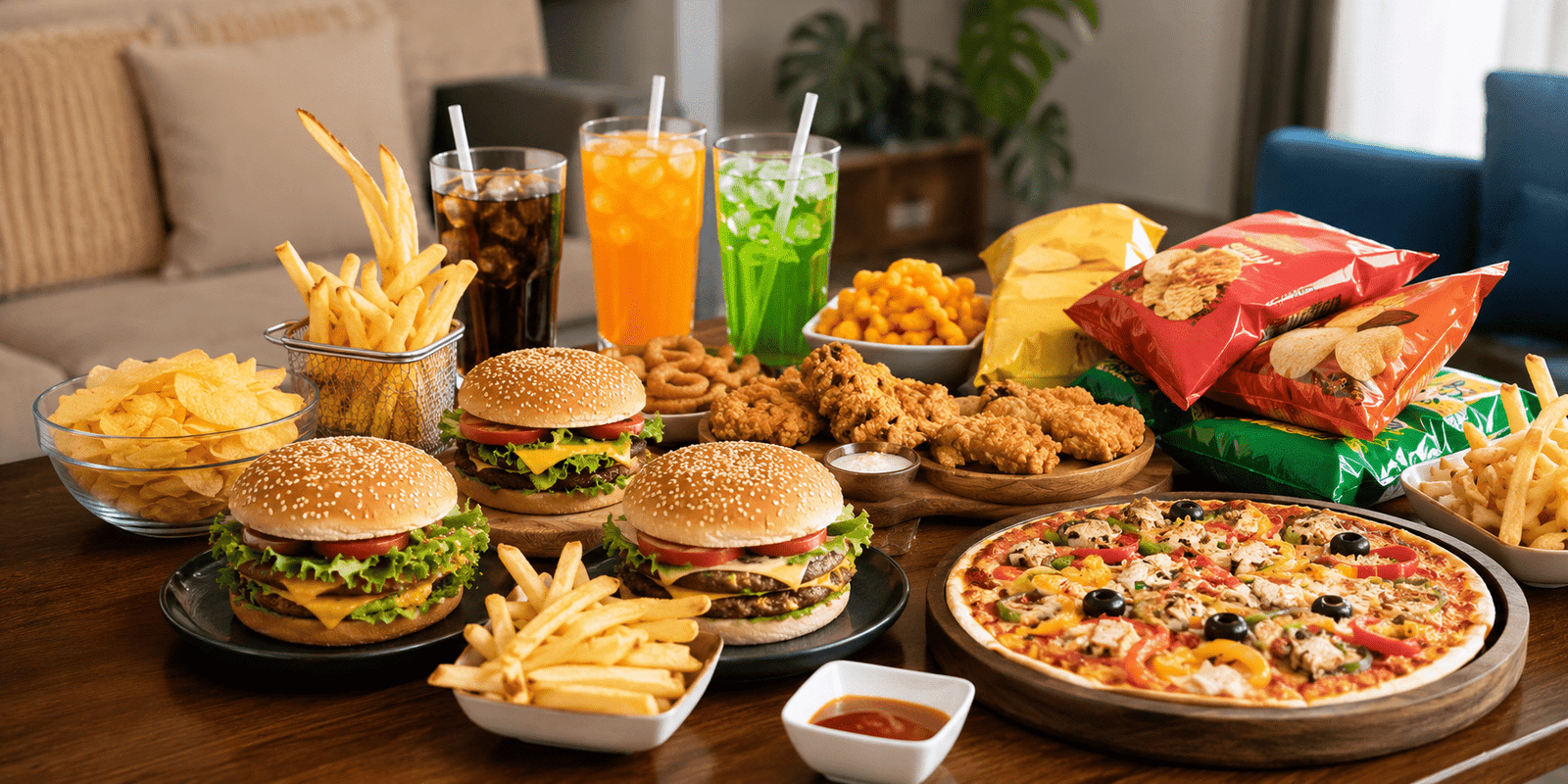
Junk food is one of the most consumed food categories in the world today. Whether it’s a quick burger during a busy workday, a packet of chips while watching a movie, or a sugary drink on a hot afternoon, these foods have become part of modern lifestyles.
People enjoy junk food because it is convenient, affordable, and tasty. However, regular consumption can lead to several health concerns. Understanding both the benefits and risks of junk food can help you make better dietary decisions while maintaining a balanced lifestyle.
What Is Junk Food?
Junk food refers to foods that are high in calories, sugar, salt, or unhealthy fats while providing little nutritional value. These foods are often heavily processed and designed to have a long shelf life and appealing taste.
Common examples include:
- Potato chips
- Burgers
- French fries
- Pizza
- Soft drinks
- Packaged cookies
- Instant noodles
- Candy and chocolates
While occasional consumption may not cause significant harm, frequent intake can negatively affect overall health.

Benefits of Junk Food
Although junk food is often criticized, it does offer a few practical benefits when consumed occasionally and in moderation.
Convenience and Accessibility
One of the biggest advantages is convenience. Fast food outlets, supermarkets, and online delivery services make junk food easily available almost everywhere.
Quick Source of Energy
Foods high in carbohydrates and sugar can provide a rapid energy boost. This is one reason many people reach for snacks when they feel tired or hungry.
Enjoyment and Social Experiences
Many social gatherings involve foods such as pizza, burgers, and desserts. Sharing favorite foods can contribute to enjoyable experiences with family and friends.
However, these benefits are mostly related to convenience and enjoyment rather than long-term nutrition.
Risks of Regular Junk Food Consumption
The main concern with junk food is that regular consumption can create nutritional imbalances and increase health risks over time.
Weight Gain
Most junk foods contain high amounts of calories and unhealthy fats. Consuming more calories than the body burns can lead to weight gain.
Poor Nutrient Intake
Many processed foods lack essential nutrients such as vitamins, minerals, fiber, and quality protein. As a result, people may feel full but still miss important nutrients.
Increased Risk of Lifestyle Diseases
A diet high in processed foods and sugary beverages is often associated with health issues such as obesity, high blood pressure, and type 2 diabetes.
Common Ingredients Found in Junk Food
The following table highlights some common ingredients frequently found in junk food and their potential impact.
| Ingredient | Purpose | Potential Concern |
|---|---|---|
| Added Sugar | Improves taste | Excess calorie intake |
| Refined Flour | Texture and shelf life | Low nutritional value |
| Sodium | Flavor enhancement | High blood pressure risk |
| Trans Fats | Longer shelf life | Heart health concerns |
| Artificial Flavors | Better taste | Overconsumption tendency |
Understanding food labels can help consumers make more informed decisions.

How Junk Food Affects Daily Life
The effects of junk food are not limited to physical health. They can also influence daily habits and overall well-being.
Energy Levels
While sugary foods may provide a temporary energy boost, they are often followed by a drop in energy levels. This can affect productivity and concentration.
Eating Habits
Regular exposure to highly processed foods may encourage cravings for salty, sugary, and fatty foods. Over time, healthier options may seem less appealing.
Physical Fitness
People who frequently consume junk food while maintaining a sedentary lifestyle may find it harder to manage their weight and fitness goals.

Healthy Alternatives to Junk Food
Fortunately, healthier alternatives can satisfy cravings while providing better nutritional value.
Replace Chips with Roasted Snacks
Roasted chickpeas, fox nuts (makhana), and nuts offer crunch and flavor while supplying protein and fiber.
Choose Fresh Fruits
Fruits can satisfy sweet cravings naturally while providing vitamins and antioxidants.
Switch Sugary Drinks
Instead of soft drinks, try coconut water, lemon water, or homemade fruit-infused water.
Opt for Homemade Versions
Preparing burgers, sandwiches, and pizzas at home allows better control over ingredients and portion sizes.

Tips to Reduce Junk Food Intake
Reducing food consumption does not require drastic changes. Small steps can make a significant difference.
Plan Your Meals
Meal planning helps reduce impulsive food choices and unnecessary snacking.
Keep Healthy Snacks Available
Having nutritious options nearby makes it easier to avoid unhealthy temptations.
Read Food Labels
Checking ingredient lists and nutritional information can help identify products with excessive sugar, salt, or unhealthy fats.
Practice Moderation
Completely eliminating favorite foods is often difficult. Instead, focus on moderation and balance.

Conclusion
Junk food remains popular because it is convenient, affordable, and enjoyable. While occasional consumption can fit into a balanced lifestyle, frequent intake may contribute to weight gain, poor nutrition, and other health concerns.
The key is not necessarily avoiding junk food completely but making informed choices. By understanding its benefits, recognizing its risks, and exploring healthier alternatives, you can develop better eating habits that support long-term health and well-being.