

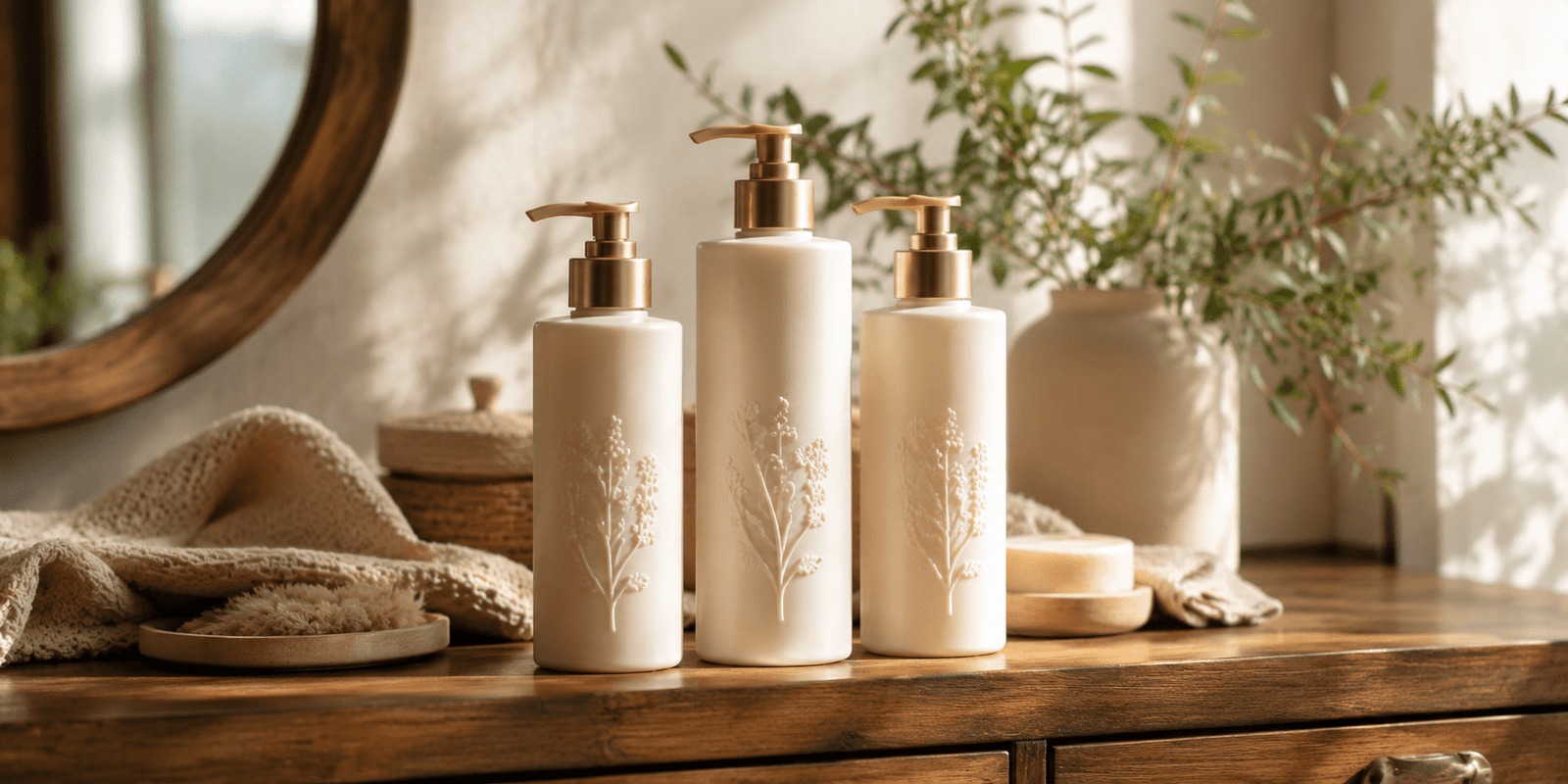
Body lotion for winter is an essential part of any skincare routine during the colder months. Winter weather often brings low humidity, chilly winds, and indoor heating, all of which can strip moisture from your skin. As a result, many people experience dryness, rough patches, flaking, and irritation.
The good news is that the right body lotion and proper skincare habits can help maintain soft, smooth, and healthy skin throughout the season. Whether you have naturally dry skin or only notice dryness during winter, understanding how to moisturize effectively can make a significant difference.
Why Skin Becomes Dry During Winter
Winter can be harsh on the skin. Cold air outdoors contains less moisture, while indoor heating systems further reduce humidity levels. This combination weakens the skin’s natural moisture barrier.
When the skin barrier becomes compromised, moisture escapes more quickly. Consequently, the skin feels tight, itchy, and rough. In severe cases, cracks and redness may develop.
People with sensitive skin, eczema-prone skin, or naturally dry skin are particularly vulnerable during winter. Therefore, consistent moisturizing becomes more important than ever.
Understanding the Skin Barrier
The skin barrier acts as a protective shield that prevents moisture loss. When it remains healthy, your skin stays hydrated and comfortable. However, winter conditions can damage this barrier, making regular lotion application necessary for protection and repair.
Benefits of Using Body Lotion for Winter
Applying body lotion daily offers several advantages beyond simple hydration.
Moisture Retention
A good lotion helps lock water into the skin, reducing dryness and preventing moisture loss throughout the day.
Improved Skin Texture
Regular use can make rough skin feel smoother and softer. This is especially helpful for areas such as elbows, knees, and heels.
Reduced Irritation
Well-moisturized skin is less likely to become itchy or irritated. Many lotions also contain soothing ingredients that calm inflammation.
Stronger Skin Protection
Moisturizers support the skin barrier, helping it defend against cold weather, pollution, and environmental stress.

Important Ingredients to Look For
Not all lotions provide the same level of hydration. Choosing products with proven moisturizing ingredients can greatly improve results.
Humectants
Humectants attract water into the skin.
Examples include:
- Glycerin
- Hyaluronic Acid
- Aloe Vera
Emollients
These ingredients smooth and soften rough skin.
Examples include:
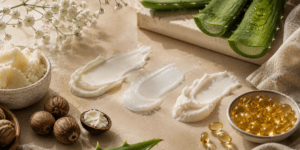
- Shea Butter
- Cocoa Butter
- Jojoba Oil
Occlusives
Occlusives create a protective layer that helps prevent moisture loss.
Examples include:
- Petroleum Jelly
- Beeswax
- Mineral Oil
Skin-Nourishing Ingredients
Ingredients such as Vitamin E, Ceramides, and Oat Extract can help strengthen and soothe the skin.
How to Choose the Right Body Lotion
The ideal lotion depends on your skin type and hydration needs.
| Skin Type | Recommended Lotion Type | Key Ingredients |
|---|---|---|
| Dry Skin | Rich Cream-Based Lotion | Shea Butter, Ceramides |
| Normal Skin | Lightweight Moisturizer | Glycerin, Aloe Vera |
| Sensitive Skin | Fragrance-Free Lotion | Oat Extract, Ceramides |
| Very Dry Skin | Intensive Repair Lotion | Cocoa Butter, Petroleum Jelly |
When shopping for a winter moisturizer, prioritize hydration and skin barrier support over fragrance or packaging.
Daily Winter Body Care Routine
Following a consistent routine can maximize the effectiveness of your lotion.
Step 1: Use Lukewarm Water
Hot showers may feel comforting in winter, but they can remove natural oils from the skin. Instead, use lukewarm water whenever possible.
Step 2: Pat Skin Dry
Avoid rubbing your skin aggressively with a towel. Gently pat it dry while leaving a small amount of moisture on the skin.
Step 3: Apply Lotion Immediately
The best time to apply body lotion is within a few minutes after bathing. This helps lock in existing moisture.
Step 4: Reapply on Dry Areas
Pay extra attention to elbows, knees, hands, and feet, as these areas tend to become drier than others.
Step 5: Stay Consistent
Daily application is more effective than using large amounts occasionally.
Common Moisturizing Mistakes to Avoid
Many people use lotion regularly but still struggle with dry skin because of simple mistakes.
Using Too Little Product
A small amount may not provide enough coverage, especially during winter.
Skipping Moisturizer After Showering
This is one of the most common reasons people experience persistent dryness.
Choosing the Wrong Formula
Light summer lotions may not provide enough hydration during colder months.
Ignoring Hands and Feet
These areas frequently suffer from severe dryness and require extra care.
Overusing Hot Water
Frequent exposure to hot water can undo the benefits of your moisturizer.
Best Winter Hydration Tips
Along with using the right lotion, several lifestyle habits can help improve skin hydration.
Drink Enough Water
Although winter may reduce thirst, hydration remains important for skin health.
Use a Humidifier
Adding moisture to indoor air can help reduce skin dryness.
Wear Soft Fabrics
Choose cotton and skin-friendly materials to minimize irritation.
Protect Your Skin Outdoors
Wear gloves and protective clothing when exposed to cold winds.
Maintain a Healthy Diet
Foods rich in healthy fats, vitamins, and antioxidants can support skin health from within.

Conclusion
Choosing the right body lotion for winter can make a noticeable difference in maintaining healthy, comfortable skin throughout the colder months. Winter conditions can easily cause dryness and roughness, but a quality moisturizer combined with a consistent skincare routine helps restore hydration and strengthen the skin barrier.
Focus on ingredients such as shea butter, glycerin, ceramides, and hyaluronic acid. Apply lotion immediately after bathing, stay hydrated, and protect your skin from harsh weather. With these simple practices, you can enjoy soft, smooth, and nourished skin all winter long.