

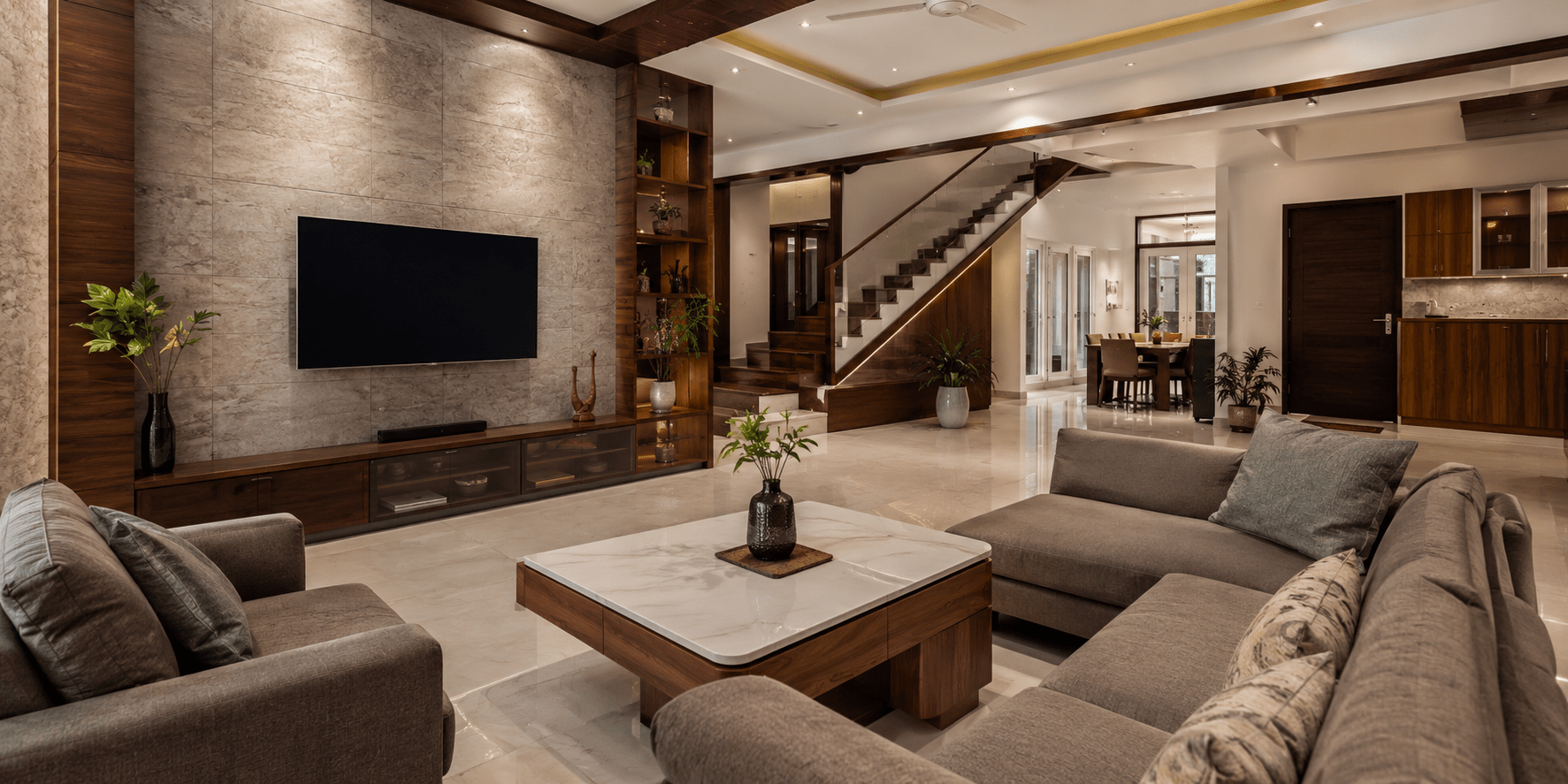
Wall tiles are one of the most effective design elements for creating beautiful and functional interiors. Whether you are renovating an old home or designing a new one, the right tile selection can dramatically improve the appearance of your walls while providing long-term durability.
Today, homeowners have access to a wide range of styles, materials, colors, and textures. As a result, wall surfaces can become attractive focal points rather than simple background elements. From living rooms to bathrooms, modern tile designs help create spaces that look stylish and remain easy to maintain.
Why Wall Tiles Are Important in Interior Design
Interior design is no longer limited to furniture and paint colors. Modern homeowners understand the impact that wall finishes have on the overall appearance of a room. Tiles offer a perfect balance between style and practicality.
Unlike painted surfaces that may fade or require frequent touch-ups, tiled walls maintain their appearance for many years. They resist moisture, stains, and scratches better than many traditional wall treatments. Therefore, they are a smart investment for both residential and commercial spaces.
In addition, wall coverings made from ceramic, porcelain, or stone can instantly increase the visual appeal of a room. They help create texture, depth, and character while complementing the overall design theme.
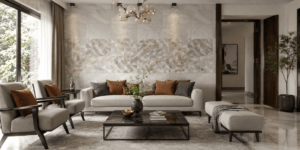
Types of Wall Tiles Available Today
The market offers numerous tile options designed for different needs and budgets. Understanding these materials helps homeowners make informed decisions.
Popular Tile Materials
Ceramic Tiles
Ceramic tiles are among the most popular choices due to their affordability and versatility. They are available in countless designs and are suitable for kitchens, bathrooms, and decorative walls.
Porcelain Tiles
Porcelain is denser and more durable than ceramic. It offers excellent moisture resistance and works well in areas exposed to frequent use.
Natural Stone Tiles
Marble, granite, slate, and travertine create a luxurious appearance. These materials provide unique natural patterns that cannot be replicated by manufactured products.
Glass Tiles
Glass surfaces reflect light effectively and create a bright, modern atmosphere. They are commonly used for feature walls and backsplashes.
Textured Tiles
Textured designs add depth and dimension to interior walls. They are ideal for creating statement areas in living rooms and entryways.
Choosing Wall Tiles for Different Rooms
Each room has different functional and aesthetic requirements. Selecting tiles according to the space ensures the best results.
Living Room
Living rooms often serve as the central gathering area of a home. Large-format tiles, stone-look surfaces, and textured designs can create an elegant feature wall behind a television or sofa.
Neutral shades such as beige, grey, and ivory remain popular because they complement various furniture styles and décor themes.
Bedroom
Bedrooms benefit from softer and more calming designs. Wood-look tiles, matte finishes, and subtle textures create a comfortable and relaxing environment.
Accent walls behind the bed can add visual interest without overwhelming the room.
Kitchen and Bathroom
These spaces require materials that resist moisture and are easy to clean. Porcelain and ceramic options perform exceptionally well in such conditions.
Glossy finishes can help smaller spaces appear brighter by reflecting natural and artificial light.
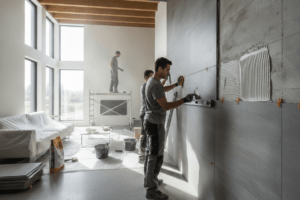
Latest Wall Tile Design Trends
Modern design trends focus on simplicity, texture, and natural aesthetics.
Large-format tiles continue to gain popularity because they create a seamless appearance with fewer grout lines. Similarly, stone-inspired finishes offer a premium look while maintaining practical maintenance requirements.
Three-dimensional textures are also becoming common in contemporary interiors. These designs add depth and create striking visual effects when combined with proper lighting.
Earth-inspired color palettes such as sand, charcoal, warm grey, and natural stone tones are increasingly preferred. These shades create timeless interiors that remain attractive for years.
Another growing trend involves combining different finishes within the same room. For example, matte and textured surfaces can be used together to create contrast and visual interest.
Wall Tile Material Comparison
Choosing the right material becomes easier when you compare key features.
| Material | Durability | Maintenance | Appearance | Best Use |
|---|---|---|---|---|
| Ceramic | High | Easy | Versatile | Kitchens, Bathrooms |
| Porcelain | Very High | Easy | Premium | High-use Areas |
| Natural Stone | High | Moderate | Luxurious | Feature Walls |
| Glass | Moderate | Easy | Modern | Decorative Areas |
| Textured Tiles | High | Moderate | Stylish | Accent Walls |
Tips for Selecting the Right Wall Tiles
Several factors should be considered before making a final decision.
First, evaluate the room size. Large tiles often make smaller spaces appear more spacious. On the other hand, patterned designs can add personality to larger rooms.
Second, consider lighting conditions. Darker colors may work well in bright areas, while lighter shades can help improve the appearance of rooms with limited natural light.
Third, match tile designs with your overall interior style. Contemporary homes often benefit from clean lines and minimal patterns, whereas traditional spaces may suit classic stone-inspired designs.
Finally, prioritize quality over short-term savings. High-quality materials typically provide better durability and long-term value.
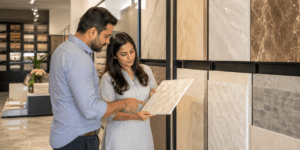
Installation and Maintenance Guidelines
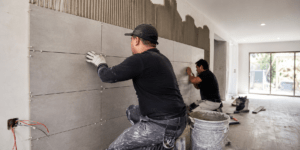
Even the best tile design requires proper installation to achieve optimal results. Hiring experienced professionals helps ensure accurate alignment, proper adhesive application, and long-lasting performance.
Regular cleaning is equally important. Most tiled surfaces can be maintained using mild cleaning solutions and soft cloths. Harsh chemicals should be avoided unless specifically recommended by the manufacturer.
Grout lines should also be inspected periodically. Proper sealing helps prevent moisture penetration and keeps surfaces looking fresh.
With routine maintenance, tiled walls can maintain their appearance for many years without significant repairs or replacements.
Conclusion
Wall tiles play a major role in creating attractive, durable, and functional interior spaces. From living rooms and bedrooms to kitchens and bathrooms, the right tile selection can significantly improve both aesthetics and practicality.
By understanding different materials, design trends, and installation considerations, homeowners can confidently choose solutions that match their lifestyle and design preferences. Investing in quality wall tiles today can enhance the beauty and value of a home for years to come.