

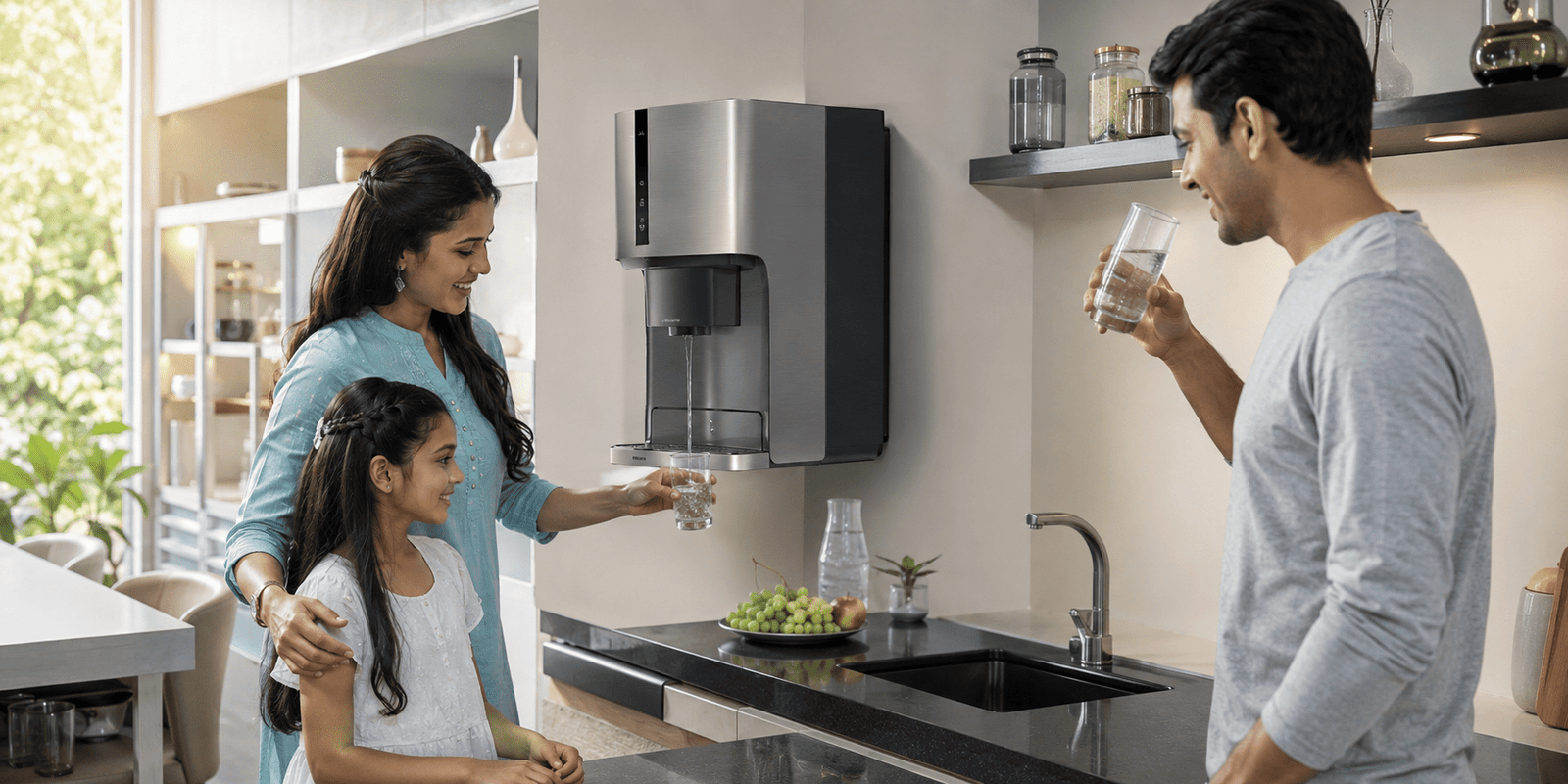
Water purifier technology has become an essential part of modern homes because clean drinking water directly affects your family’s health. Whether your water comes from a municipal supply, borewell, or tanker, impurities such as bacteria, chemicals, heavy metals, and sediments may still be present. Choosing the right purification system helps ensure safe, great-tasting water while reducing health risks.
This guide explains different purifier technologies, buying factors, maintenance tips, and practical advice to help you make an informed decision.
Why Every Home Needs a Water Purifier
Clean water is one of the most important requirements for a healthy lifestyle. Although municipal water undergoes treatment, contamination can occur through aging pipelines, storage tanks, or transportation systems. Likewise, groundwater often contains excess dissolved salts, iron, fluoride, or heavy metals.
A quality water purification system helps remove harmful contaminants while improving the taste and odor of drinking water. It also reduces dependence on bottled water, making it a more environmentally friendly and cost-effective solution.
For families with children, elderly members, or people with weakened immunity, purified water provides an extra layer of protection against waterborne illnesses.

Types of Water Purifier Technologies
Different purification technologies serve different water conditions. Understanding these options helps you select the most suitable system.
RO (Reverse Osmosis)
RO technology removes dissolved salts, heavy metals, and harmful chemicals. It is ideal for areas with high Total Dissolved Solids (TDS) levels, especially where borewell water is commonly used.
UV (Ultraviolet)
UV purification uses ultraviolet light to kill bacteria and viruses. It works well when the water has low TDS but requires biological disinfection.
UF (Ultrafiltration)
UF filters remove suspended particles, bacteria, and some microorganisms without electricity. They are suitable for areas with relatively clean municipal water.
RO + UV + UF Combination
Many modern systems combine multiple purification technologies to deliver comprehensive protection. These models provide balanced purification for varying water sources and changing water quality.
How to Choose the Right Water Purifier
Selecting the right model depends on more than price. Consider these practical factors before purchasing.
Test Your Water Quality
Knowing your water source and TDS level is the first step. High TDS usually requires RO technology, while low TDS municipal water may only need UV or UF purification.
Daily Water Consumption
A small family typically requires lower storage capacity, whereas larger households benefit from higher-capacity storage tanks to ensure continuous water availability.
Filter Replacement Cost
The initial purchase price is only one part of the investment. Regular filter replacement and annual maintenance costs should also fit your budget.
Electricity Consumption
Some purification technologies require electricity while others do not. Consider power availability and energy efficiency before making a decision.
Brand Support
Reliable after-sales service, genuine spare parts, and warranty coverage contribute to a better long-term ownership experience.

Water Purifier Comparison Table
| Technology | Best For | Removes Dissolved Salts | Removes Germs | Electricity Required |
|---|---|---|---|---|
| RO | High TDS Water | Yes | Yes (with membrane) | Yes |
| UV | Municipal Water | No | Yes | Yes |
| UF | Low TDS Water | No | Yes | No |
| RO + UV + UF | Mixed Water Sources | Yes | Yes | Yes |
Installation and Maintenance Tips
Even the best water purifier performs efficiently only when properly maintained. Timely servicing helps maintain purification quality and extends the life of the appliance.
Replace filters according to the manufacturer’s recommendation rather than waiting for noticeable changes in water taste. Clean the storage tank periodically to prevent bacterial buildup.
Always schedule annual servicing with trained professionals. They can inspect internal components, check water quality, and replace worn-out parts before problems develop.
If you leave your home for several days, flush the stored water before drinking it again.
Common Mistakes to Avoid
Many homeowners purchase a purifier without checking their water quality. As a result, they either overspend on unnecessary technology or choose a system that does not adequately purify their water.
Ignoring filter replacement schedules is another common mistake. Dirty filters reduce purification efficiency and may affect water quality.
Buying solely based on storage capacity or price often leads to disappointment. Instead, evaluate purification technology, maintenance costs, service availability, and overall reliability.
Finally, avoid installing the purifier in direct sunlight or near heat sources, as excessive temperatures may affect long-term performance.
Final Thoughts
A water purifier is more than a household appliance—it is an investment in your family’s health and well-being. By understanding your water source, comparing purification technologies, and maintaining the system regularly, you can enjoy clean, safe, and refreshing drinking water every day.
Before purchasing, test your water quality, compare maintenance requirements, and select a purifier that matches your household’s specific needs. A well-informed decision ensures better performance, lower long-term costs, and greater peace of mind.