

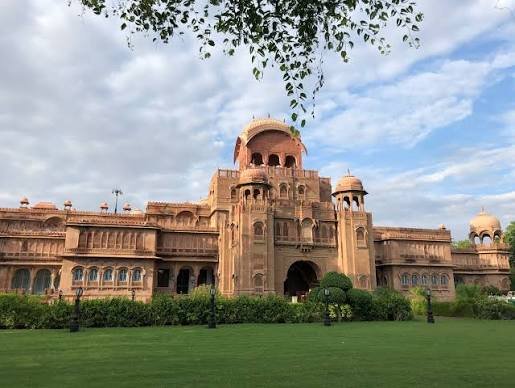
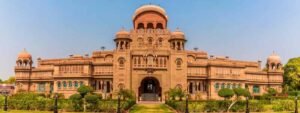
Lalgarh Palace Bikaner is one of the most magnificent royal landmarks in Rajasthan, admired for its grand architecture, rich history, and peaceful surroundings. Built with beautiful red sandstone, this palace showcases the perfect blend of Rajput, Mughal, and European architectural styles. It is much more than a historical monument—it reflects the royal lifestyle of the Bikaner rulers and offers visitors a memorable cultural experience.
Whether you are passionate about history, architecture, photography, or simply enjoy exploring heritage destinations, Lalgarh Palace deserves a place on your Rajasthan travel itinerary. From beautifully carved balconies and lush gardens to an impressive museum and heritage hotel, every corner of the palace tells a fascinating story of royal elegance.
History of Lalgarh Palace Bikaner
Lalgarh Palace was commissioned by Maharaja Ganga Singh in memory of his father, Maharaja Lal Singh, during the early twentieth century. The palace was designed by renowned British architect Sir Samuel Swinton Jacob, who successfully combined traditional Rajput craftsmanship with elegant European influences.
Over the years, the palace became an important symbol of Bikaner’s royal heritage. Unlike many historic monuments that have become only museums, Lalgarh Palace still serves multiple purposes. A part of the palace is occupied by the royal family, another section has been converted into a luxury heritage hotel, while the museum remains open for tourists interested in learning about the history of the region.
This unique combination of living heritage and historical preservation makes the palace one of Rajasthan’s most distinctive attractions.
Architecture and Design
Unique Architectural Features
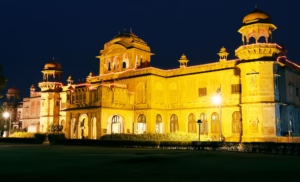
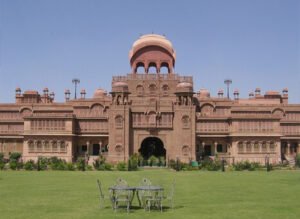
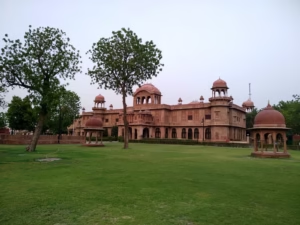
One of the biggest highlights of Lalgarh Palace Bikaner is its extraordinary architecture. Constructed entirely from red sandstone, the palace immediately captures visitors’ attention with its elegant appearance.
The beautifully carved pillars, decorative balconies, spacious courtyards, marble interiors, and artistic lattice windows demonstrate the remarkable craftsmanship of Rajasthan’s skilled artisans. European-style corridors and large windows blend seamlessly with traditional Rajput elements, creating a truly unique architectural masterpiece.
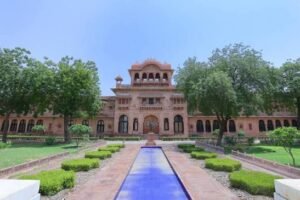
The palace gardens are equally impressive. Carefully maintained lawns, flowering plants, fountains, and shaded pathways provide visitors with peaceful spaces to relax while enjoying spectacular views of the heritage building.
Photography enthusiasts particularly enjoy visiting during the morning or evening when natural sunlight beautifully highlights the intricate stone carvings.
Visitor Information
Planning your visit in advance helps you enjoy the palace more comfortably. Since certain sections remain privately owned by the royal family, visitors should confirm the latest opening hours and ticket information before arriving.
Most tourists spend around two to three hours exploring the museum, gardens, and palace surroundings. Comfortable walking shoes are recommended because the palace complex is quite large.
Photography is generally allowed in outdoor areas, although restrictions may apply inside some museum sections.
Hiring a knowledgeable local guide can greatly enhance your experience by explaining the fascinating stories behind the palace, its architecture, and the royal family.
Top Attractions Inside the Palace
The museum inside Lalgarh Palace houses an excellent collection of royal artifacts, antique furniture, hunting trophies, vintage photographs, manuscripts, paintings, and historical documents.
Visitors can admire beautifully preserved royal rooms that provide insight into the luxurious lifestyle of Bikaner’s rulers. The palace library also contains rare books and valuable historical records, making it especially interesting for history lovers.
| Feature | Details |
|---|---|
| Location | Bikaner, Rajasthan |
| Built By | Maharaja Ganga Singh |
| Architectural Style | Rajput, Mughal and European |
| Construction Material | Red Sandstone |
| Main Attractions | Museum, Gardens, Heritage Hotel |
| Recommended Visit Duration | 2–3 Hours |
Nearby Places to Visit
A visit to Lalgarh Palace becomes even more rewarding when combined with nearby attractions. Junagarh Fort is famous for its magnificent forts, beautiful palaces, and impressive museums. The National Research Centre on Camel offers visitors a unique opportunity to learn about Rajasthan’s famous camels.
You can also explore Bikaner’s bustling local markets, where traditional handicrafts, camel leather products, miniature paintings, and authentic Rajasthani sweets are available. These attractions allow travelers to experience both the royal heritage and vibrant local culture of the city.
Best Time to Visit Lalgarh Palace
The most comfortable time to visit Lalgarh Palace is between October and March. During these months, the weather remains cool and pleasant, making sightseeing much more enjoyable.
Early morning visits are ideal for photography because the soft natural light enhances the beauty of the red sandstone architecture. Winter is also the peak tourist season, so booking accommodation in advance is recommended if you plan to stay nearby.
Travel Tips for Visitors
Carry drinking water, sunscreen, sunglasses, and comfortable footwear while exploring the palace. Respect the heritage site by avoiding damage to historic structures and following photography guidelines.
If you wish to understand the palace’s fascinating history in greater detail, consider hiring a certified local guide. Finally, allow enough time to explore both the palace museum and surrounding gardens rather than rushing through your visit.
Conclusion
Lalgarh Palace Bikaner stands as one of Rajasthan’s finest examples of royal heritage, architectural brilliance, and cultural history. Its magnificent red sandstone construction, beautifully maintained gardens, fascinating museum, and timeless royal atmosphere make it a must-visit destination for every traveler. Whether you are interested in photography, architecture, history, or simply experiencing Rajasthan’s regal charm, this palace promises an unforgettable journey through India’s glorious past.