

Introduction
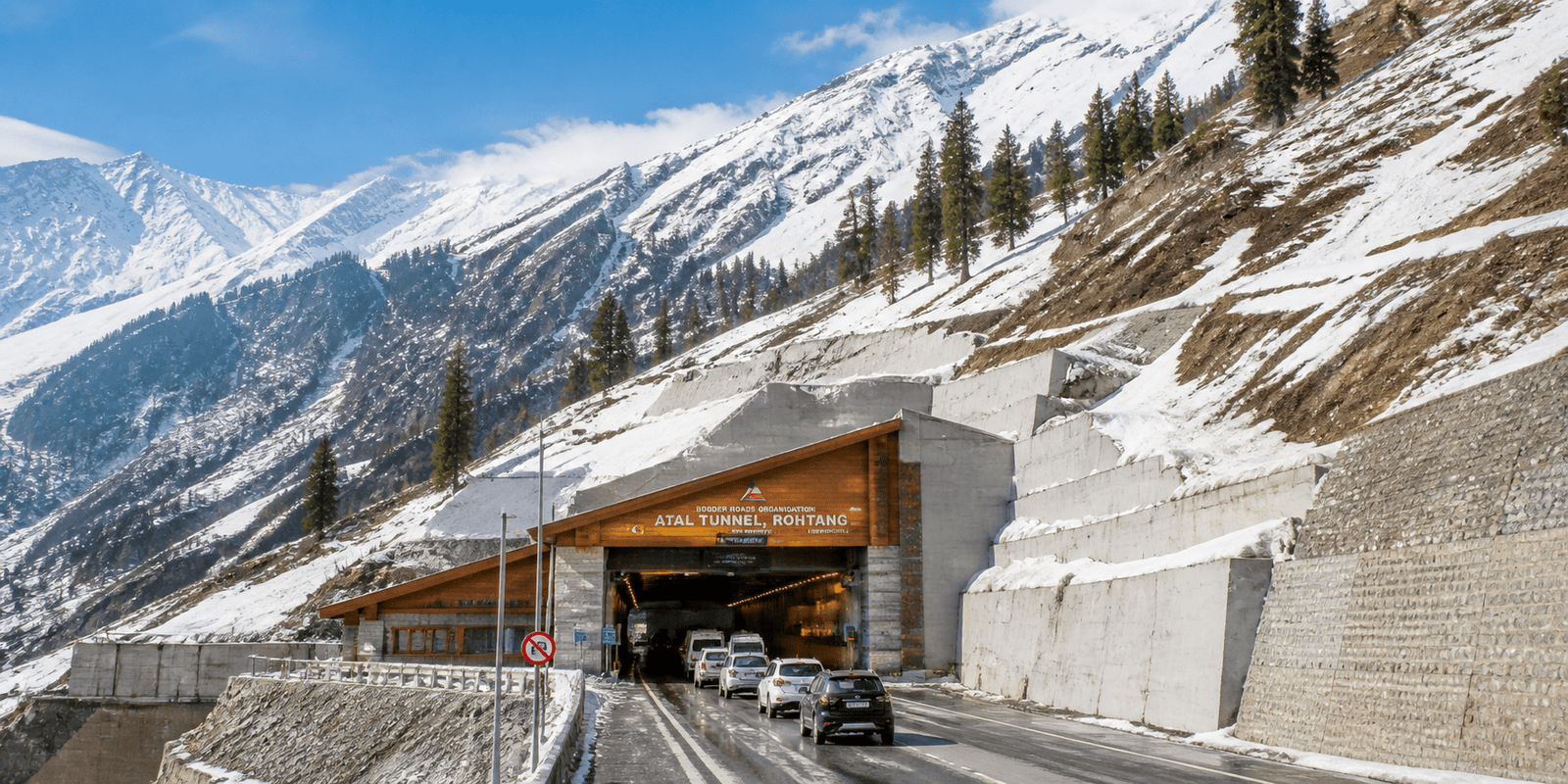
Atal Tunnel is one of India’s most impressive engineering marvels, connecting Manali to Lahaul-Spiti through the mighty Himalayas. Built at high altitude, this tunnel has transformed travel in Himachal Pradesh by reducing distance and travel time significantly.
Whether you are a road trip enthusiast, a traveler seeking snow landscapes, or someone curious about modern infrastructure, this destination offers a unique blend of nature and innovation.
1. What is Atal Tunnel?
Atal Tunnel is a 9.02 km long highway tunnel located in Himachal Pradesh. It runs beneath the Rohtang Pass and connects Manali to Lahaul Valley.
Before its construction, travelers had to cross the dangerous Rohtang Pass, which remained closed for several months due to heavy snowfall. However, this tunnel now provides all-weather connectivity, making travel safer and faster.
This infrastructure project is named after former Prime Minister Atal Bihari Vajpayee and stands as a symbol of India’s engineering excellence.
2. Key Facts About Atal Tunnel
Here are some important details that make this tunnel special:
| Feature | Details |
|---|---|
| Length | 9.02 km |
| Location | Himachal Pradesh |
| Altitude | Approx. 10,000 feet |
| Travel Time Saved | 4–5 hours |
| Opened In | October 2020 |
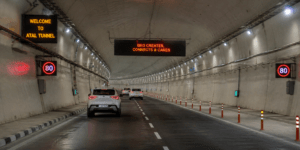
This tunnel is considered the longest highway tunnel above 10,000 feet in the world. Moreover, it is equipped with advanced safety systems like fire hydrants, CCTV cameras, and emergency exits.
3. How to Reach Atal Tunnel
Reaching Atal Tunnel is quite simple, especially if you are traveling from Manali.
From Manali
The tunnel is approximately 25 km from Manali and can be reached via a scenic drive. You can hire a taxi, rent a bike, or drive your own vehicle.
From Delhi
Travelers usually take a road trip or bus to Manali first. From there, reaching the tunnel is easy and takes around 1 hour.
By Air
The nearest airport is Bhuntar Airport, located about 50 km from Manali. From there, you can continue your journey by road.
4. Best Time to Visit Atal Tunnel
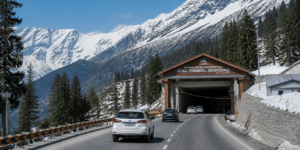
The beauty of Atal Tunnel changes with seasons, making it a year-round destination.
Summer (May–June)
This is the best time for comfortable travel. Roads are clear, and the weather is pleasant.
Winter (November–February)
If you love snow, winter is magical. However, temperatures drop significantly, so proper preparation is necessary.
Monsoon (July–September)
Traveling during monsoon is possible, but landslides can occur. Therefore, always check weather conditions before planning.
5. Travel Experience Through the Tunnel
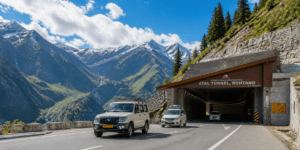
Driving through Atal Tunnel is an experience in itself. The moment you enter, you notice the smooth roads, bright lighting, and well-maintained infrastructure.
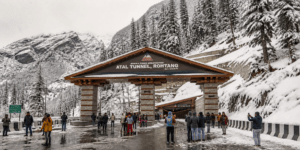
Moreover, the temperature inside the tunnel remains controlled, making the drive comfortable. Within minutes, you emerge on the other side into a completely different landscape — often snowy and breathtaking.
This transition from lush green valleys to cold desert terrain is what makes the journey truly unforgettable.
6. Nearby Attractions You Should Explore
Your trip doesn’t end at the tunnel. There are several nearby places worth visiting.
Sissu Valley
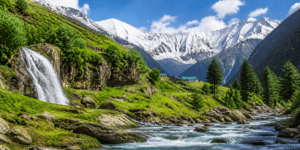
Located just after the tunnel, Sissu is known for its waterfall and scenic beauty.
Solang Valley
Before reaching the tunnel, Solang Valley offers adventure activities like paragliding and skiing.
Keylong
A peaceful town in Lahaul Valley, perfect for those looking to explore beyond typical tourist spots.
7. Important Travel Tips for Visitors
To make your journey smooth and enjoyable, keep these tips in mind:
- Carry warm clothes, even in summer
- Check weather updates before traveling
- Avoid overspeeding inside the tunnel
- Keep your vehicle in good condition
- Start early to avoid traffic
Additionally, ensure you have enough fuel and essentials, especially if you plan to travel further into Lahaul-Spiti.
8. Why Atal Tunnel is a Must-Visit Destination
Atal Tunnel is more than just a road connection; it is an experience that combines adventure, nature, and modern engineering.
It saves time, ensures safety, and opens up access to previously remote regions. For travelers, it offers a chance to witness the raw beauty of the Himalayas in a convenient way.
Whether you are planning a short trip from Manali or a longer journey towards Leh, this tunnel plays a crucial role in enhancing your travel experience.