

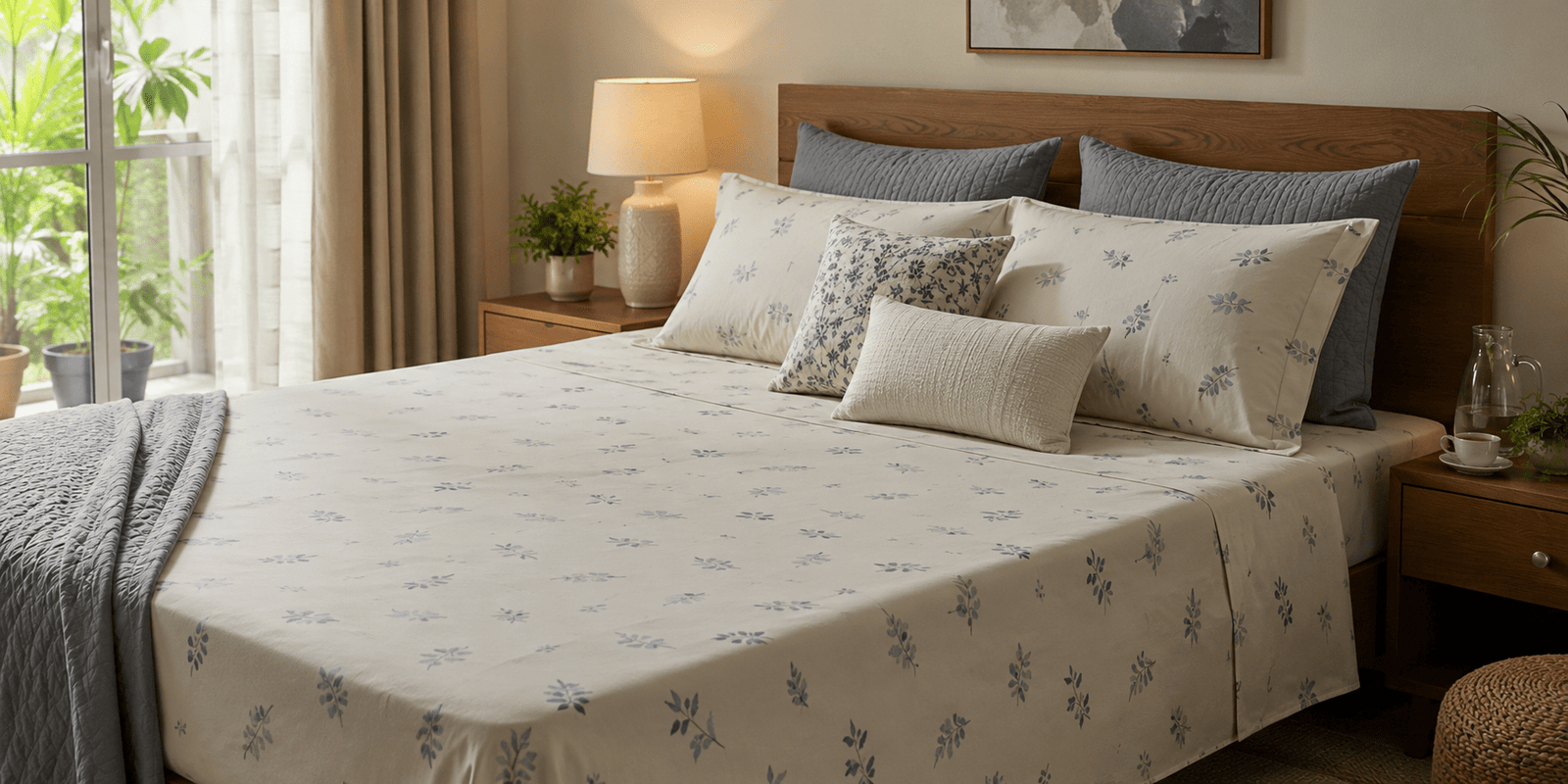
Bed sheet selection plays a bigger role in sleep quality and bedroom comfort than many people realize. A well-chosen sheet can improve your sleeping experience, enhance the appearance of your room, and provide long-lasting value. Whether you are furnishing a new home or replacing old bedding, understanding what makes a quality bed sheet is essential.
The market offers countless options in terms of fabric, thread count, size, design, and maintenance requirements. As a result, many buyers feel confused when making a purchase. This guide covers practical tips that will help you choose bedding that combines comfort, style, and durability.
Why Choosing the Right Bed Sheet Matters
A quality bed sheet directly affects comfort, temperature regulation, and sleep quality. Since people spend several hours in bed every day, selecting the right bedding should be considered an investment rather than a simple household purchase.
Good sheets also contribute to the overall appearance of a bedroom. Clean patterns, suitable colors, and quality fabric can instantly create a welcoming and relaxing atmosphere.
Benefits of High-Quality Bedding
- Better sleep comfort
- Improved durability
- Enhanced bedroom aesthetics
- Easier maintenance
- Better value over time

Understanding Different Bed Sheet Fabrics
Fabric is one of the most important factors when choosing bedding. Different materials offer unique benefits depending on climate, personal preference, and budget.
Cotton
Cotton remains one of the most popular choices because it is breathable, soft, and suitable for all seasons. It provides excellent comfort and durability when maintained properly.
Microfiber
Microfiber sheets are affordable and easy to maintain. They resist wrinkles and dry quickly, making them a practical option for busy households.
Linen
Linen is highly breathable and ideal for warmer climates. Although it may feel slightly textured initially, it becomes softer with regular use.
Bamboo
Bamboo fabric is gaining popularity due to its softness and moisture-wicking properties. It is often preferred by people seeking a cooler sleeping experience.
How to Select the Correct Size
Choosing the right size is just as important as selecting the right fabric. A sheet that is too small may come loose during sleep, while an oversized sheet may appear untidy.
Always measure your mattress before purchasing bedding. Consider mattress depth, especially if you use mattress toppers or thick cushions.
Common Sizes
| Bed Size | Typical Dimensions | Best For |
|---|---|---|
| Single | 90 x 190 cm | One person |
| Double | 135 x 190 cm | Small bedrooms |
| Queen | 150 x 200 cm | Couples |
| King | 180 x 200 cm | Large bedrooms |
Thread Count and Fabric Quality
Many shoppers focus only on thread count, assuming higher numbers automatically indicate better quality. However, fabric quality matters more than thread count alone.
A moderate thread count combined with premium cotton often delivers better comfort than an extremely high thread count made from lower-quality fibers.
Recommended Range
For most households, a thread count between 200 and 600 offers an excellent balance of comfort, breathability, and durability.

Choosing Colors and Designs
Color selection should complement your bedroom theme. Neutral shades such as white, beige, grey, and cream create a timeless appearance.
If you prefer a vibrant interior, patterned or colorful sheets can add personality without overwhelming the space.
Popular Design Trends
Minimalist Designs
Simple patterns and solid colors create a sophisticated look suitable for modern homes.
Floral Patterns
Floral designs remain popular for creating a warm and welcoming atmosphere.
Geometric Prints
Geometric patterns provide a contemporary appearance that works well in urban interiors.
Bed Sheet Care and Maintenance
Even the highest-quality bedding requires proper care. Regular maintenance helps preserve softness, color, and durability.
Care Tips
Wash Regularly
Wash sheets every one to two weeks to maintain cleanliness and hygiene.
Use Mild Detergents
Harsh chemicals may weaken fibers and reduce fabric lifespan.
Follow Manufacturer Instructions
Always read the care label before washing or drying your bedding.

Comparing Popular Bed Sheet Materials
Different households have different needs. Some prioritize softness, while others focus on durability or affordability.
Which Material Is Best?
Cotton is often considered the most balanced option because it combines comfort, breathability, and longevity. However, microfiber offers excellent value for budget-conscious buyers, while linen excels in hot climates.
Your ideal choice depends on your personal preferences, sleeping habits, and local weather conditions.
Common Mistakes to Avoid
Many buyers make simple mistakes that reduce satisfaction after purchase.
Mistakes to Watch For
Ignoring Mattress Measurements
Always verify mattress dimensions before buying.
Choosing Based Only on Price
The cheapest option may require replacement sooner.
Overlooking Fabric Type
Comfort depends heavily on fabric characteristics.
Neglecting Care Requirements
Some materials require specific washing and drying methods.

Conclusion
A quality bed sheet can significantly improve comfort, sleep quality, and bedroom appearance. By understanding fabric types, selecting the correct size, evaluating quality factors, and maintaining your bedding properly, you can make a smart purchase that delivers long-term value.
Whether you prefer cotton, linen, microfiber, or bamboo, choosing the right bed sheet based on your lifestyle and comfort needs will help create a more relaxing and enjoyable sleeping environment.