

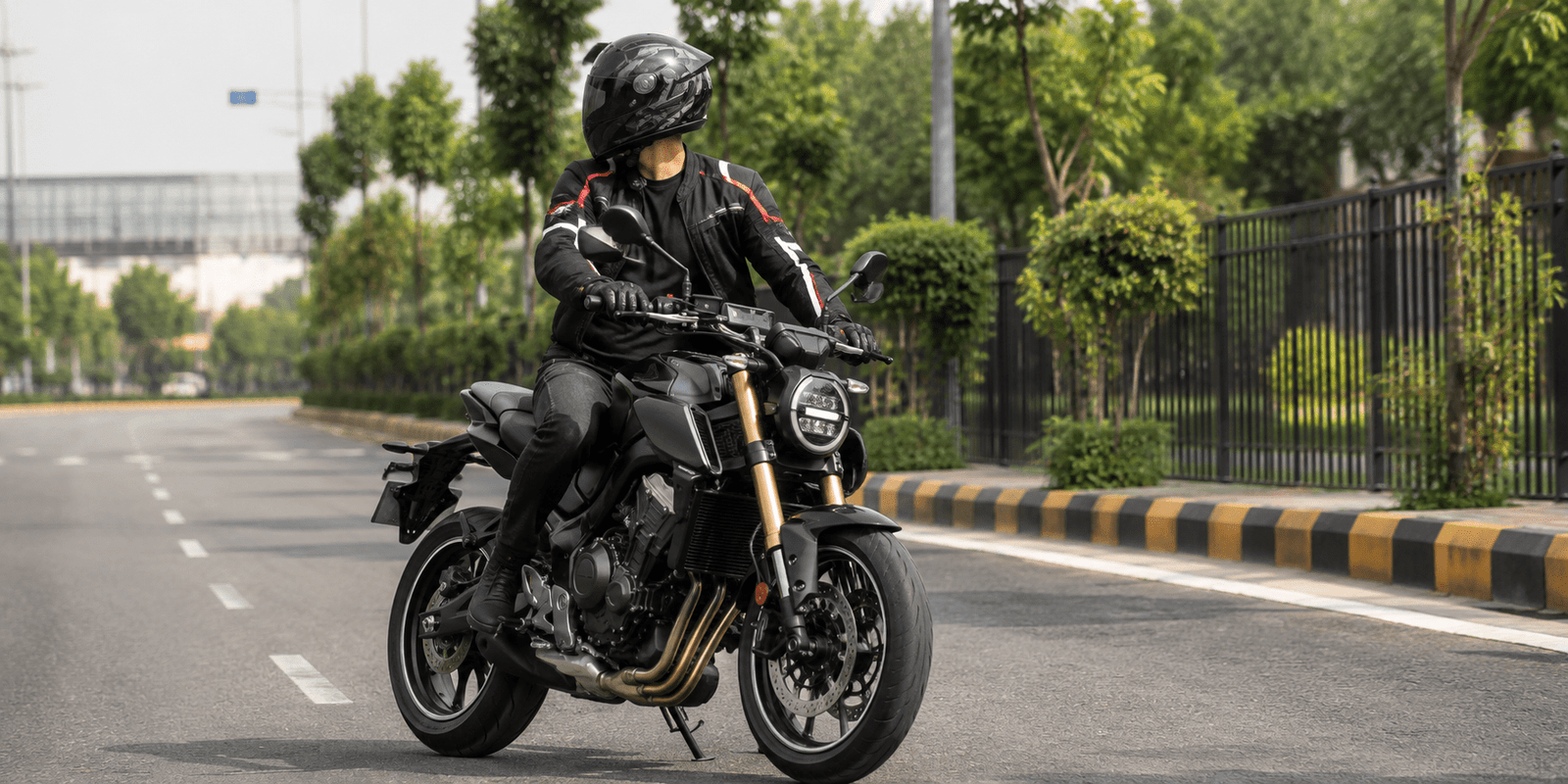
Bike insurance is one of the most important investments every motorcycle owner should make. While many riders purchase insurance simply to meet legal requirements, the right policy offers much more than compliance. It protects you from unexpected financial losses caused by accidents, theft, natural disasters, and third-party liabilities.
Whether you use your bike for daily commuting, business purposes, or weekend rides, choosing suitable coverage can provide peace of mind and long-term savings. Understanding different policy types, benefits, and coverage options helps you make a smarter decision.
1. Why Bike Insurance Matters
Owning a motorcycle comes with responsibilities. Roads can be unpredictable, and even careful riders may encounter accidents or unforeseen situations.
A good insurance policy acts as a financial shield. Instead of paying large repair bills from your own pocket, the insurer covers eligible expenses according to the policy terms.
Some major benefits include:
- Financial protection against accidents
- Coverage for theft and damage
- Legal compliance
- Third-party liability protection
- Peace of mind during travel
Moreover, insurance helps riders recover faster from unexpected setbacks without creating financial stress.
2. Types of Bike Insurance Policies
Understanding policy types is essential before purchasing coverage.
Third-Party Insurance
Third-party insurance is legally mandatory in India. It covers damages caused to another person, vehicle, or property due to your bike.
However, it does not cover damage to your own motorcycle.
Comprehensive Insurance
Comprehensive coverage provides broader protection. It includes:
- Third-party liability
- Own damage coverage
- Theft protection
- Natural disaster coverage
- Fire damage protection
Most experts recommend comprehensive plans because they offer more complete security.
Standalone Own Damage Insurance
This policy specifically covers damage to your bike while third-party insurance is purchased separately.
It is often chosen by riders who already have valid third-party coverage.
3. Key Features to Look For
When comparing policies, focus on features rather than simply choosing the lowest premium.
| Feature | Why It Matters |
|---|---|
| Comprehensive Coverage | Protects against multiple risks |
| Cashless Repairs | Reduces out-of-pocket expenses |
| Network Garages | Easier claim settlement |
| Add-On Covers | Improves protection |
| Claim Settlement Process | Faster support during emergencies |
| No Claim Bonus | Rewards claim-free years |
A policy with strong features often delivers better value than one with the cheapest premium.
4. How to Choose the Right Policy
Selecting the best policy depends on your specific needs.
Consider Your Bike’s Age
New motorcycles generally benefit from comprehensive protection. Older bikes may require different coverage depending on their market value.
Evaluate Usage Patterns
A daily commuter faces different risks than someone who rides only on weekends.
Compare Multiple Plans
Always compare:
- Coverage benefits
- Premium costs
- Claim settlement reputation
- Add-on options
- Customer service quality
In addition, reading customer reviews can provide useful insights into real-world claim experiences.
Check Insured Declared Value (IDV)
The IDV represents your bike’s current market value. A suitable IDV ensures fair compensation in case of total loss or theft.
5. Common Add-On Covers
Add-ons enhance standard coverage and provide extra protection.
Zero Depreciation Cover
This cover allows claim settlements without deducting depreciation on replaced parts.
Roadside Assistance
Roadside support helps when your motorcycle breaks down unexpectedly.
Services may include:
- Towing assistance
- Battery support
- Fuel delivery
- Minor repairs
Engine Protection Cover
Engine protection is valuable in areas prone to flooding or waterlogging.
Return to Invoice Cover
If the bike is stolen or completely damaged, this cover may reimburse the original invoice value rather than the depreciated value.

6. Ways to Reduce Insurance Costs
Many riders assume better protection always means higher costs. Fortunately, that is not necessarily true.
Maintain a No Claim Bonus
Claim-free years help build a No Claim Bonus (NCB), which reduces future premiums.
Renew on Time
Timely renewals prevent policy lapses and help preserve benefits.
Choose Add-Ons Carefully
Select only the add-ons you genuinely need.
Improve Bike Security
Installing anti-theft devices may lower risk and potentially influence premiums.
Compare Policies Regularly
Insurance offerings change frequently. Comparing plans before renewal may reveal better options and pricing.
7. Mistakes to Avoid When Buying Insurance
Many riders make avoidable mistakes during the purchase process.
Common errors include:
- Choosing the cheapest policy only
- Ignoring policy exclusions
- Selecting inadequate coverage
- Missing renewal deadlines
- Not reading claim procedures
- Overlooking add-on benefits
Furthermore, providing inaccurate information during policy purchase can create complications during claim settlement.

8. Conclusion
Choosing the right bike insurance policy is about more than meeting legal requirements. It is a practical step toward protecting your finances, your vehicle, and your peace of mind.
By understanding policy types, comparing coverage options, selecting useful add-ons, and avoiding common mistakes, riders can make informed decisions that provide long-term value. A well-chosen bike insurance plan ensures better protection and greater confidence every time you hit the road.