

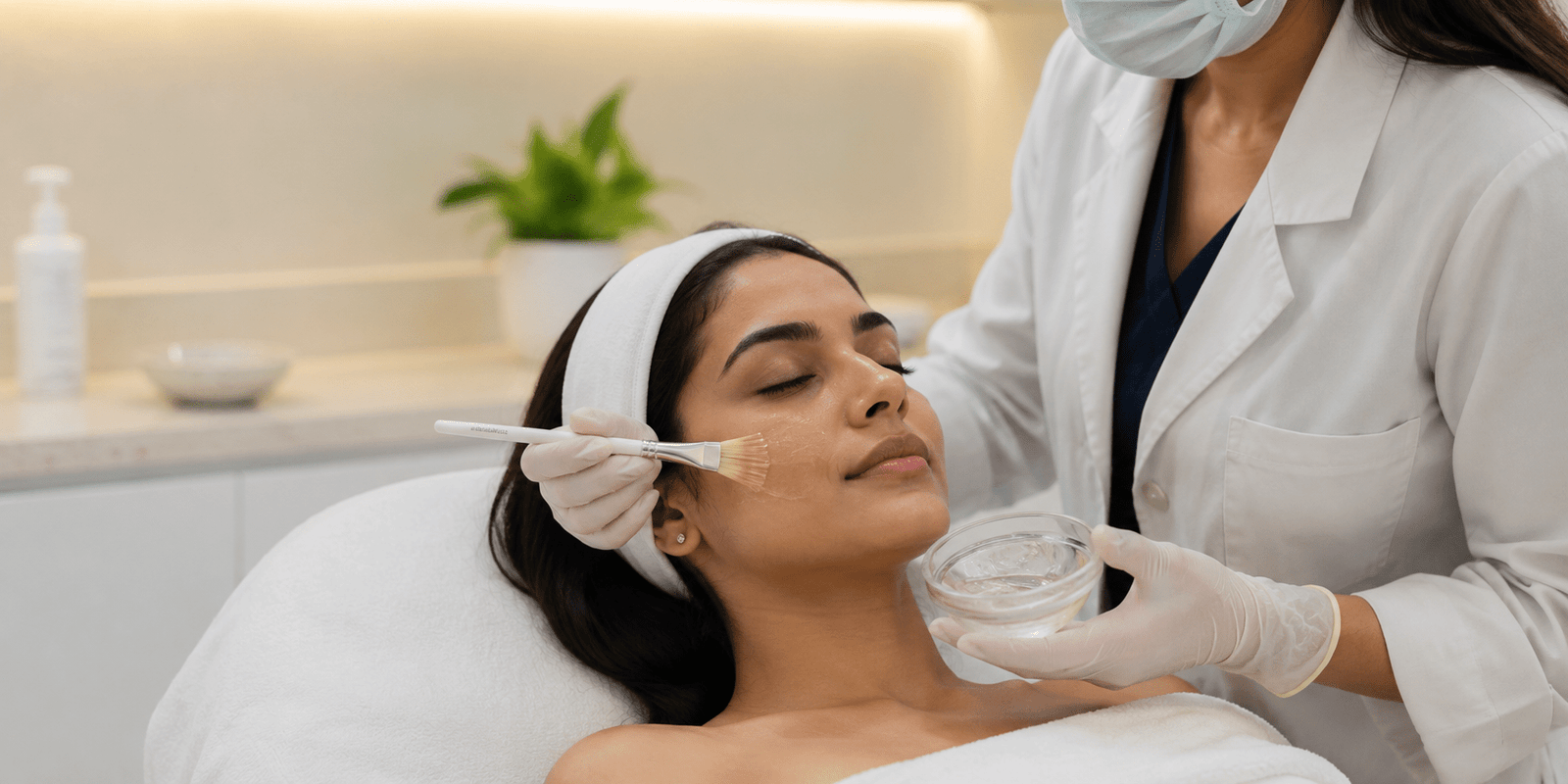
Chemical Peel is one of the most popular skincare treatments for improving skin texture, reducing acne marks, and achieving a brighter appearance. Many people choose this treatment because it helps remove dead skin cells and encourages fresh skin renewal naturally.
Unlike basic facials, a chemical peel works deeper on the skin surface. It can help with pigmentation, dullness, fine lines, sun damage, and uneven texture. Moreover, modern peel treatments are available for different skin types, making them safer and more customized than before.
People often think chemical peels are harsh or painful. However, professional treatments performed by trained experts are usually safe and controlled. The results depend on the peel type, skin condition, and aftercare routine.
What Is a Chemical Peel?
A chemical peel is a skin treatment that uses special acids to exfoliate the outer layer of the skin. The process removes damaged skin cells and supports the growth of healthier skin underneath.
Different peel strengths are used for different concerns. Light peels work gently on the top layer, while medium and deep peels target deeper skin issues such as wrinkles and acne scars.
Dermatologists and skincare professionals usually recommend chemical peels for:
- Acne scars
- Uneven skin tone
- Sun damage
- Fine lines
- Dark spots
- Rough skin texture
The treatment duration is generally short, and many people return to normal activities within a few days.

Types of Chemical Peel Treatments
Not every chemical peel is the same. The right choice depends on your skin type, sensitivity, and skincare goals.
| Peel Type | Best For | Recovery Time |
|---|---|---|
| Light Peel | Mild dullness and glow | 1–3 days |
| Medium Peel | Acne marks and pigmentation | 5–7 days |
| Deep Peel | Wrinkles and severe damage | 2–3 weeks |
Light Chemical Peel
This treatment uses mild acids like glycolic acid or lactic acid. It is suitable for beginners and people with sensitive skin. Light peels improve brightness and smoothness with minimal downtime.
Medium Chemical Peel
Medium peels penetrate deeper into the skin. They are often used for acne scars, pigmentation, and uneven texture. Slight redness and peeling are common during recovery.
Deep Chemical Peel
Deep peels provide dramatic skin improvement. However, they require professional supervision and longer healing time. These are usually recommended for advanced skin concerns.
Major Benefits of Chemical Peel
Chemical peel treatments offer several skincare advantages when done correctly and consistently.
Improves Skin Texture
One of the biggest benefits is smoother skin texture. Dead skin buildup can make the face look rough and tired. Chemical exfoliation helps reveal fresher and softer skin.
Reduces Acne Scars
Many people struggle with post-acne marks for years. Chemical peels gradually reduce the appearance of shallow scars and dark spots over time.
Enhances Skin Glow
A peel treatment removes dull surface cells and supports natural skin renewal. Therefore, the skin often looks brighter and healthier after recovery.
Minimizes Fine Lines
Medium and deep peels can reduce visible signs of aging. They improve collagen production, which supports firmer-looking skin.
Controls Excess Oil
People with oily skin often notice reduced oil production after regular peel sessions. This may also help decrease future breakouts.

Chemical Peel vs Regular Facial
Many people compare chemical peels with traditional facials, but both treatments serve different purposes.
Regular facials mainly clean and hydrate the skin surface. They provide temporary freshness and relaxation. On the other hand, a chemical peel focuses on deeper exfoliation and long-term skin improvement.
Facials are usually ideal for routine maintenance. However, chemical peels are more effective for concerns like pigmentation, acne scars, and texture issues.
If someone wants visible skin correction instead of basic pampering, a professional peel treatment may provide better results.
What to Expect During Recovery
Recovery depends on the peel strength and skin sensitivity. Light peels usually cause mild redness and slight dryness for a few days.
Medium peels may lead to visible peeling, tightness, and temporary sensitivity. During this period, it is important not to scratch or pull peeling skin.
Important Aftercare Tips
Use Sunscreen Daily
Fresh skin becomes more sensitive to sunlight after treatment. A broad-spectrum sunscreen helps protect the skin from damage and pigmentation.
Avoid Harsh Products
Strong scrubs, retinol products, and active acids should be avoided during healing. Gentle skincare products work best.
Keep Skin Hydrated
Hydration supports faster healing. Moisturizers recommended by skincare professionals help maintain comfort and reduce dryness.g

Who Should Avoid Chemical Peel?
Although chemical peel treatments are generally safe, they may not suit everyone.
People with active skin infections, severe eczema, open wounds, or extremely sensitive skin should consult a dermatologist before treatment. Pregnant women should also seek professional advice before undergoing advanced peels.
In addition, individuals using strong acne medications may need to pause treatment before scheduling a peel session.
A professional skin consultation is always the safest approach before starting any advanced skincare procedure.
Tips to Maintain Long-Term Results
Getting a chemical peel is only part of the skincare journey. Proper maintenance helps extend the results.
Follow a Consistent Routine
Gentle cleansing, hydration, and sunscreen are essential for healthy skin maintenance after treatment.
Avoid Excess Sun Exposure
Sun damage can reverse peel results quickly. Wearing sunscreen and protective clothing helps maintain even skin tone.
Schedule Treatments Properly
Overdoing peel treatments may irritate the skin. Dermatologists usually recommend balanced intervals depending on skin type and peel strength.
Eat Skin-Friendly Foods
Healthy foods rich in vitamins and antioxidants support natural skin repair from within.

Conclusion
Chemical Peel treatments can significantly improve skin texture, glow, and overall appearance when performed professionally. From reducing acne scars to improving uneven tone, this skincare procedure offers noticeable benefits for many skin concerns.
However, choosing the right peel type and following proper aftercare are equally important for safe and long-lasting results. Consulting an experienced skincare professional ensures that the treatment matches your skin needs correctly.
With proper maintenance and sun protection, chemical peel treatments can become an effective part of a healthy skincare routine.