


Contact lens technology has transformed the way people correct their vision. Whether you are nearsighted, farsighted, or have astigmatism, modern lenses provide a convenient alternative to traditional eyeglasses. Many people prefer them because they offer a wider field of vision, better comfort during activities, and a natural appearance.
Today, lens manufacturers use advanced materials that allow more oxygen to reach the eyes, making daily wear more comfortable than ever. However, choosing the right option requires understanding the different types available and how they fit your lifestyle.
Why Contact Lenses Are Popular
People choose contact lenses for many reasons. Unlike glasses, they move naturally with your eyes and do not fog up during temperature changes. They are also a preferred choice for sports, outdoor activities, and professional settings.
Modern lenses are designed with comfort in mind. Many users report that after a short adjustment period, they barely notice the lenses during the day. This combination of convenience and performance has made them a popular vision correction solution worldwide.

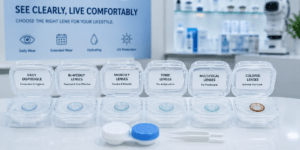
Types of Contact Lens Available Today
Daily Disposable Lenses
These lenses are worn once and discarded at the end of the day. They offer excellent hygiene and require minimal maintenance.
Monthly Replacement Lenses
Monthly lenses are designed for repeated use and require proper cleaning and storage. They are often more cost-effective for regular users.
Toric Lenses
Toric lenses are specially designed for individuals with astigmatism. They provide stable vision correction while maintaining comfort.
Multifocal Lenses
These lenses help people who need vision correction for both near and distant objects, making them a popular choice among older adults.
Colored Contact Lenses
Colored lenses can enhance or completely change eye color while also providing vision correction in some cases.
How to Choose the Right Contact Lens
Selecting the right lens depends on several factors, including your prescription, lifestyle, budget, and eye health.
Consider Your Daily Routine
If you have a busy schedule and prefer convenience, daily disposable lenses may be ideal. They eliminate the need for cleaning solutions and storage cases.
Evaluate Eye Sensitivity
Individuals with dry or sensitive eyes should consult an eye care professional to determine which lens material provides the best comfort.
Think About Your Budget
While daily lenses offer convenience, monthly lenses often provide a more economical long-term option.
Seek Professional Advice
An eye examination is essential before purchasing lenses. A qualified eye care specialist can recommend the most suitable option based on your vision needs.
Contact Lens Comparison Table
| Lens Type | Replacement Schedule | Maintenance Level | Best For |
|---|---|---|---|
| Daily Disposable | Every Day | Very Low | Convenience |
| Bi-Weekly | Every 2 Weeks | Moderate | Regular Users |
| Monthly | Every Month | Moderate | Budget-Friendly Use |
| Toric | As Prescribed | Moderate | Astigmatism |
| Multifocal | As Prescribed | Moderate | Near and Distance Vision |

Benefits of Wearing Contact Lenses
One of the biggest advantages of contact lenses is their ability to provide a natural viewing experience. Because they sit directly on the eye, they move with your vision and eliminate frame-related obstructions.
Another benefit is improved compatibility with active lifestyles. Athletes, travelers, and outdoor enthusiasts often find lenses more practical than glasses.
In addition, contact lenses can enhance confidence for individuals who prefer not to wear spectacles. Many users appreciate the freedom and flexibility they provide.
Modern lens materials also improve oxygen flow to the eye, helping maintain comfort during extended wear when used according to professional recommendations.
Contact Lens Care and Maintenance
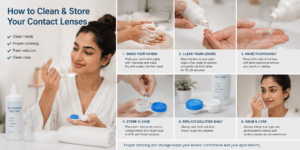
Proper care is essential for maintaining eye health and extending lens performance.
Wash Your Hands
Always wash and dry your hands before handling lenses. This simple habit helps reduce the risk of contamination.
Follow Replacement Schedules
Do not wear lenses beyond their recommended replacement period. Doing so may increase the risk of irritation and infection.
Use Recommended Solutions
Only use cleaning and storage solutions approved by your eye care professional.
Store Lenses Properly
Keep lenses in a clean storage case and replace the case regularly to maintain hygiene.
Attend Regular Eye Exams
Routine eye checkups help ensure your lenses continue to fit properly and support healthy vision.
Common Mistakes to Avoid
Many lens-related issues occur because users ignore recommended practices.
Sleeping With Lenses
Unless specifically approved for overnight wear, sleeping in lenses can reduce oxygen flow and increase the risk of complications.
Ignoring Eye Discomfort
Redness, dryness, or irritation should never be ignored. Remove the lenses and consult an eye care professional if symptoms persist.
Using Water Instead of Solution
Tap water can introduce harmful microorganisms that may affect eye health.
Sharing Contact Lenses
Contact lenses are medical devices and should never be shared with another person.
Conclusion
A contact lens can be an excellent choice for people seeking comfort, convenience, and clear vision. With multiple lens types available, it is easier than ever to find a solution that matches your lifestyle and visual needs.
The key to success is choosing the right lens, following proper care practices, and scheduling regular eye examinations. When used responsibly, contact lenses can provide long-lasting comfort and reliable vision correction for everyday life.