


Digital thermometer technology has transformed the way people measure body temperature. Unlike traditional mercury thermometers, modern digital devices provide fast, accurate, and easy-to-read results. Whether you are monitoring a fever, checking a child’s temperature, or maintaining a home healthcare kit, a digital thermometer offers convenience and reliability.
Today, digital thermometers are widely used in homes, clinics, hospitals, schools, and workplaces. Their ease of use and safety features make them one of the most trusted healthcare tools available. In this guide, we will explore the key benefits, working principles, types, and tips for choosing the right thermometer for your needs.
What Is a Digital Thermometer?
A digital thermometer is an electronic device designed to measure body temperature quickly and accurately. It uses electronic heat sensors instead of mercury to detect temperature changes and display results on a digital screen.
Most models are compact, portable, and simple to operate. They can be used orally, rectally, under the arm, or on the forehead, depending on the device type.
Why Are They Popular?
The growing demand for home healthcare solutions has increased the popularity of digital thermometers. People appreciate their speed, accuracy, and safety compared to older alternatives.

How Does a Digital Thermometer Work?
Digital thermometers use temperature-sensitive electronic sensors that detect body heat. Once the sensor measures the temperature, the information is processed electronically and displayed on an LCD screen.
Most devices produce a beep sound when the reading is complete. Depending on the model, results may appear within a few seconds.
Common Components
- Temperature sensor
- Digital display
- Power source (battery)
- Protective casing
- Alert system
These components work together to deliver reliable and consistent temperature measurements.
Key Benefits of Using a Digital Thermometer
Digital thermometers provide several advantages that make them an essential household health device.
Fast Results
One of the biggest benefits is speed. Most models provide readings within 10 to 60 seconds, helping users quickly assess their health condition.
Improved Accuracy
Modern digital sensors are designed to provide highly accurate temperature measurements when used correctly.
Safe for Families
Unlike mercury thermometers, digital models do not contain hazardous materials. This makes them safer for children and adults alike.
Easy-to-Read Display
Large digital screens eliminate guesswork. The measured temperature is displayed clearly, even in low-light conditions.
Portable and Convenient
Their lightweight design makes them easy to carry while traveling or keep in a home first-aid kit.
Affordable Healthcare Tool
Digital thermometers are cost-effective and available in various price ranges, making them accessible for most households.
Types of Digital Thermometers
Different types of digital thermometers are available to meet various healthcare needs.
| Type | Common Use | Key Advantage |
|---|---|---|
| Oral Thermometer | Mouth measurement | Easy and affordable |
| Forehead Thermometer | Contactless scanning | Quick and hygienic |
| Ear Thermometer | Ear canal measurement | Fast readings |
| Basal Thermometer | Fertility tracking | High precision |
| Multi-Use Thermometer | Multiple methods | Versatile use |
Each type offers unique benefits depending on the user’s requirements.
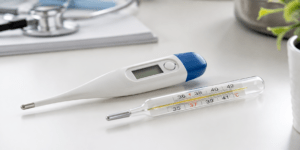
Digital Thermometer vs Traditional Thermometer
While traditional thermometers served healthcare needs for decades, digital technology has introduced significant improvements.
Speed
Digital thermometers provide readings much faster than traditional models.
Safety
There is no risk of mercury exposure, making them environmentally safer.
Convenience
Digital displays simplify reading temperature results.
Maintenance
Most digital thermometers require minimal maintenance beyond occasional battery replacement.
Tips for Choosing the Right Thermometer
Selecting the right thermometer depends on your specific needs.
Consider Accuracy
Choose a device from a trusted manufacturer with a reputation for accurate readings.
Evaluate Ease of Use
A clear display and simple controls can improve user experience.
Check Measurement Method
Consider whether you prefer oral, forehead, ear, or multi-use functionality.
Look for Memory Features
Some advanced models store previous readings, making health tracking easier.
Battery Life Matters
Long-lasting battery performance can enhance convenience and reduce maintenance costs.
Best Practices for Accurate Readings
Even the best digital thermometer requires proper usage for accurate results.
Follow Manufacturer Instructions
Always read the user manual before using the device.
Keep the Sensor Clean
Regular cleaning helps maintain accuracy and hygiene.
Use Correct Placement
Position the thermometer according to the recommended measurement method.
Replace Batteries When Needed
Weak batteries may affect performance and display quality.
Store Properly
Keep the device in a protective case away from extreme temperatures.

Conclusion
A digital thermometer is one of the most practical and reliable healthcare tools available today. Its speed, accuracy, safety, and ease of use make it a valuable addition to every household. Whether you need to monitor a fever, track health conditions, or maintain a family first-aid kit, a digital thermometer provides dependable temperature readings with minimal effort.
By understanding its benefits, types, and proper usage methods, you can make an informed decision and ensure accurate health monitoring whenever needed.