

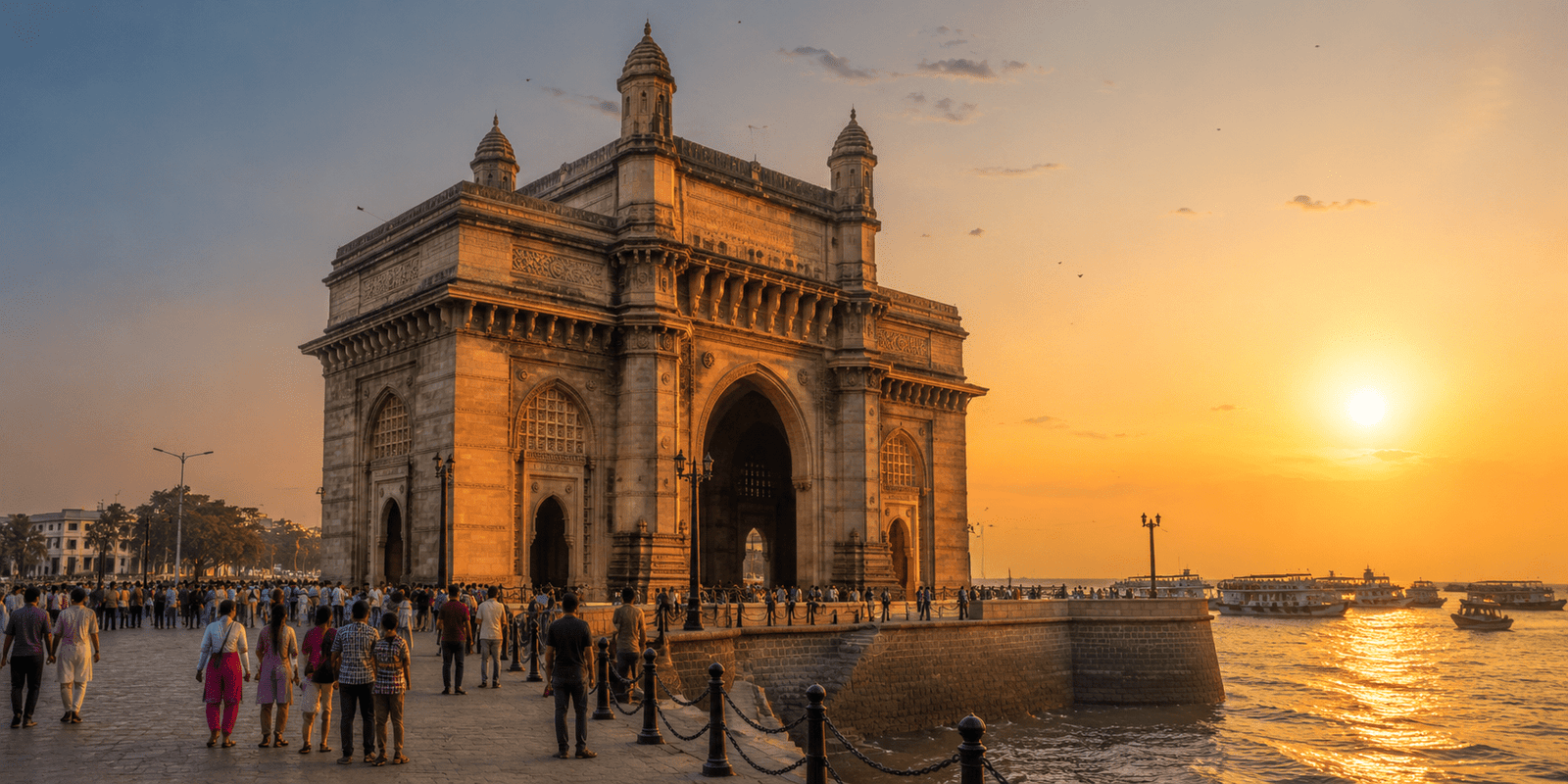
Gateway of India is one of the most iconic landmarks in Mumbai and a symbol of India’s rich colonial history and cultural heritage. Located along the waterfront at Apollo Bunder, this grand monument attracts travelers from around the world who want to experience the spirit of Mumbai up close.
Whether you are visiting Mumbai for the first time or planning a short city tour, this famous attraction deserves a place on your itinerary. From stunning architecture to nearby cafés and sea views, the location offers a complete travel experience. In addition, the lively atmosphere around the monument makes it perfect for photography, local exploration, and evening walks.
The monument is not just a tourist attraction. It also represents an important chapter in Indian history. Moreover, the surrounding area includes luxury hotels, street food spots, ferry rides, and historical buildings that make the visit even more memorable.
History of Gateway of India
The Gateway of India was built during the British colonial period to commemorate the visit of King George V and Queen Mary to India in 1911. Although the foundation stone was laid in 1913, the monument was officially completed in 1924.
Designed by Scottish architect George Wittet, the structure became one of the most recognizable entry points into India during British rule. Interestingly, the last British troops departed from India through this very gateway in 1948 after independence.
Today, the monument stands as a reminder of both colonial history and India’s transformation into an independent nation. Therefore, it holds historical as well as emotional importance for many visitors.
Historical Importance
The monument reflects the blend of Indian and European architectural styles. It also symbolizes Mumbai’s importance as a major port city during the colonial era.
Architecture and Design Highlights
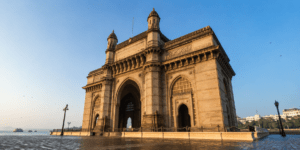
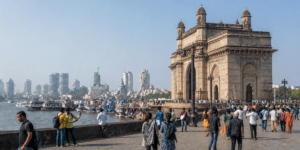
One of the most impressive aspects of the gateway of india is its architectural beauty. Built using yellow basalt stone, the monument combines Hindu, Muslim, and European design elements into a single structure.
The central dome rises approximately 26 meters high and faces the Arabian Sea, creating a dramatic visual effect. In addition, the intricate carvings and archways showcase the craftsmanship of that era.
Travel photographers and architecture enthusiasts especially appreciate the monument during sunrise and sunset because the natural light enhances the structure’s details beautifully.
Indo-Saracenic Style
The Indo-Saracenic architectural style blends Islamic arches with traditional Indian decorative patterns. This unique combination gives the monument a timeless appearance that continues to impress visitors.
Best Time to Visit Gateway of India
The best time to visit the gateway of india is between October and March when Mumbai experiences pleasant weather. During these months, the humidity is lower and sightseeing becomes more comfortable.
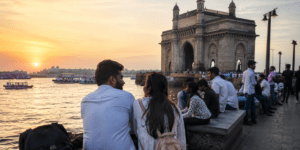
Early mornings are ideal for travellers who want fewer crowds and better photography opportunities. On the other hand, evenings are lively and energetic, with local performers, food vendors, and tourists creating a vibrant atmosphere.
Here is a quick travel guide table for visitors:
| Travel Information | Details |
|---|---|
| Location | Apollo Bunder, Mumbai |
| Best Visiting Time | October to March |
| Ideal Visit Hours | Early Morning or Evening |
| Entry Fee | Free |
| Nearby Attraction | Taj Mahal Palace Hotel |
| Famous Activity | Ferry Ride to Elephanta Caves |
Weather and Travel Experience
Monsoon season in Mumbai can make the waterfront slippery and crowded. Therefore, winter months are generally more suitable for sightseeing and outdoor photography.

Things to Do Around the Monument
Visiting the gateway of India is about more than just seeing the monument. The surrounding area offers several experiences that travellers enjoy throughout the day.
One popular activity is taking a ferry ride to the famous Elephanta Caves. These ferry rides provide beautiful sea views and a refreshing travel experience.
In addition, visitors often spend time exploring nearby cafés, luxury hotels, and local shopping areas. Street photographers also love the location because of its lively urban atmosphere.
Enjoy Local Street Food
The nearby streets are filled with Mumbai’s famous snacks including vada pav, pav bhaji, and bhel puri. Trying local food adds an authentic touch to your visit.
Photography Opportunities
The waterfront setting, colonial architecture, and bustling crowd create perfect conditions for travel photography and social media content.
Famous Places Near Gateway of India
Several major attractions are located close to the monument, making it easy for travellers to plan a full day of sightseeing.
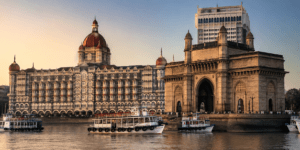
The Taj Mahal Palace Hotel stands directly beside the gateway and is considered one of India’s most luxurious hotels. Its historic architecture perfectly complements the monument’s design.
Another famous attraction nearby is Colaba Causeway, which is known for shopping, cafés, and local markets. Travelers can also explore the Chhatrapati Shivaji Maharaj Vastu Sangrahalaya museum for a deeper understanding of Mumbai’s history.
Nearby Attractions Worth Exploring
The surrounding heritage district offers a mix of culture, shopping, food, and architecture. Therefore, travellers can experience multiple sides of Mumbai within a short distance.
Travel Tips for Visitors
Planning your trip smartly can improve your overall experience at the gateway of india. Although the area is tourist-friendly, a few practical tips can make your journey smoother.
Wear comfortable footwear because you may spend several hours walking around nearby attractions. In addition, carrying water and light clothing is recommended during warmer months.
If possible, avoid visiting during peak afternoon hours because the location becomes crowded. Moreover, keeping your camera or smartphone ready helps you capture beautiful waterfront moments.
Safety and Transportation
Mumbai has strong local transport connectivity. Travelers can easily reach the monument using taxis, local trains, or app-based cab services.
Why Gateway of India Remains a Timeless Landmark
The gateway of india continues to attract millions of visitors because it represents history, culture, architecture, and modern city life all in one place. Unlike many tourist attractions that feel commercialized, this monument still maintains an emotional and historical connection with travelers.
Its waterfront location, iconic design, and vibrant surroundings create an unforgettable travel experience. Furthermore, the monument reflects Mumbai’s energy and diversity perfectly.
Whether you are a history lover, architecture enthusiast, photographer, or casual traveler, visiting this iconic landmark offers something meaningful for everyone. That is why it remains one of the most visited and admired destinations in India.