

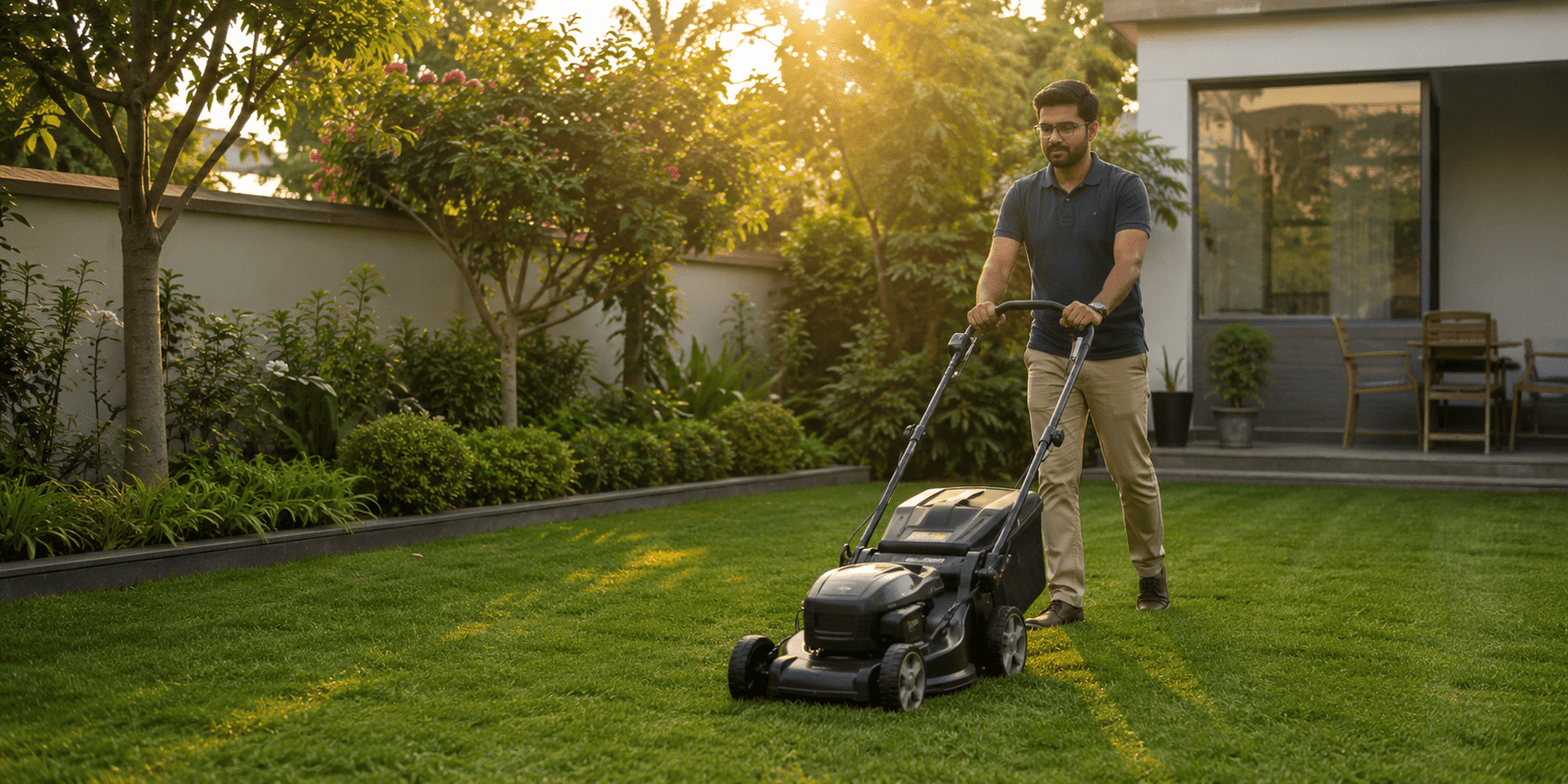
Lawn mowing is one of the most important parts of maintaining a healthy and attractive outdoor space. A properly mowed lawn not only improves curb appeal but also helps grass grow thicker, greener, and more resistant to weeds. Whether you are caring for a small backyard or a large garden, learning the right mowing techniques can completely transform your lawn care routine.
Many homeowners think mowing is simply about cutting grass shorter. However, the timing, mowing pattern, blade sharpness, and cutting height all play a major role in the health of your lawn. In this guide, you will learn practical and easy lawn care strategies that professionals use to maintain beautiful grass throughout the year.
Why Lawn Mowing Matters
A consistent mowing schedule helps grass develop stronger roots. When grass is cut correctly, sunlight and nutrients are distributed more evenly across the lawn. This encourages thicker growth and reduces the chance of weeds spreading throughout the yard.
In addition, regular mowing improves the overall appearance of your property. A clean lawn creates a welcoming atmosphere and can even increase property value. However, mowing too short can damage the grass and weaken root development.
Experts often recommend following the “one-third rule.” This means you should never cut more than one-third of the grass blade at one time. Doing so helps prevent stress and keeps the lawn healthy during warmer months.

Choosing the Right Lawn Mower
Selecting the correct mower depends on the size and condition of your lawn. Small lawns usually work well with manual or electric mowers, while larger areas may require a petrol-powered or riding mower.
Types of Lawn Mowers
| Lawn Mower Type | Best For | Main Benefit |
|---|---|---|
| Manual Reel Mower | Small lawns | Eco-friendly and quiet |
| Electric Mower | Medium lawns | Low maintenance |
| Petrol Mower | Large lawns | Powerful cutting |
| Riding Mower | Very large properties | Saves time and effort |
Electric mowers are becoming increasingly popular because they are quieter and easier to maintain. Moreover, they are ideal for homeowners who want a cleaner and more environmentally friendly option.
Before purchasing a mower, consider storage space, lawn size, and ease of maintenance. A lightweight mower can make weekly lawn mowing much more comfortable and efficient.
Ideal Grass Height for Different Seasons
Grass height changes depending on the season and climate. During summer, slightly taller grass protects the soil from extreme heat and helps retain moisture. In cooler seasons, shorter grass can reduce fungal growth and improve airflow.
Recommended Lawn Height
- Summer: 3 to 4 inches
- Spring: 2.5 to 3 inches
- Autumn: 2 to 2.5 inches
- Winter: Minimal mowing required
Keeping grass at the proper height improves drought resistance and prevents weeds from taking over. Furthermore, taller grass shades the soil naturally, reducing water evaporation.
Best Lawn Mowing Techniques
Good mowing habits can dramatically improve lawn quality. Professional landscapers often follow simple strategies that homeowners can easily apply.
Change Mowing Patterns
Avoid mowing in the same direction every week. Repeated patterns can cause soil compaction and uneven grass growth. Instead, alternate directions to help grass stand upright.
Keep Blades Sharp
Sharp mower blades create clean cuts, while dull blades tear the grass. Torn grass becomes vulnerable to disease and turns brown more quickly. Therefore, sharpening blades regularly is essential for healthy lawn care.
Mow When Grass Is Dry
Wet grass can clog the mower and create uneven cutting patterns. In addition, damp conditions increase the risk of fungal disease. For best results, mow during the late morning or early evening when the lawn is dry.
Leave Grass Clippings
Mulching grass clippings back into the lawn adds natural nutrients to the soil. This process reduces the need for chemical fertilizers and supports healthier grass growth over time.

Common Lawn Mowing Mistakes to Avoid
Many lawn problems are caused by simple mowing mistakes. Fortunately, avoiding these errors can significantly improve lawn appearance and health.
Cutting Grass Too Short
Scalping the lawn weakens grass roots and exposes soil to excessive sunlight. As a result, weeds grow more easily and the lawn becomes patchy.
Ignoring Mower Maintenance
Dirty or poorly maintained mowers reduce cutting performance. Regular cleaning, oil checks, and blade maintenance help extend the life of the machine.
Mowing During Extreme Heat
Cutting grass during the hottest part of the day places unnecessary stress on the lawn. Instead, mow during cooler hours for better results.
Overwatering After Mowing
While watering is important, too much moisture can encourage fungus and root problems. Deep watering once or twice a week is usually more effective than frequent shallow watering.
Seasonal Lawn Care Maintenance
Different seasons require different lawn care strategies. Understanding these changes helps maintain strong and healthy grass all year long.
Spring Lawn Care
Spring is the ideal time for fertilizing and repairing damaged patches. Aeration can also improve soil health after winter.
Summer Lawn Care
During summer, focus on moisture retention and avoid cutting grass too short. Lawn mowing should be less aggressive during periods of extreme heat.
Autumn Lawn Care
Autumn is perfect for overseeding and preparing the lawn for cooler temperatures. Removing fallen leaves also helps prevent mold growth.
Winter Lawn Care
Most lawns require very little mowing during winter. However, avoid heavy foot traffic on frosty grass because it can damage dormant roots.

How to Keep Your Lawn Looking Professional
A professional-looking lawn depends on consistency. Weekly maintenance, correct mowing height, and proper watering habits all contribute to a healthier yard.
Edging pathways and driveways can instantly improve the appearance of your lawn. Moreover, trimming overgrown borders creates a cleaner and more organized outdoor space.
Fertilizing every few months can also help maintain rich green color. However, avoid excessive fertilizer use because it may damage grass roots. Organic lawn care products are often safer and more sustainable for long-term maintenance.
Another helpful strategy is to inspect the lawn regularly for weeds, dry spots, or pests. Early detection allows you to fix problems before they spread across the yard.