

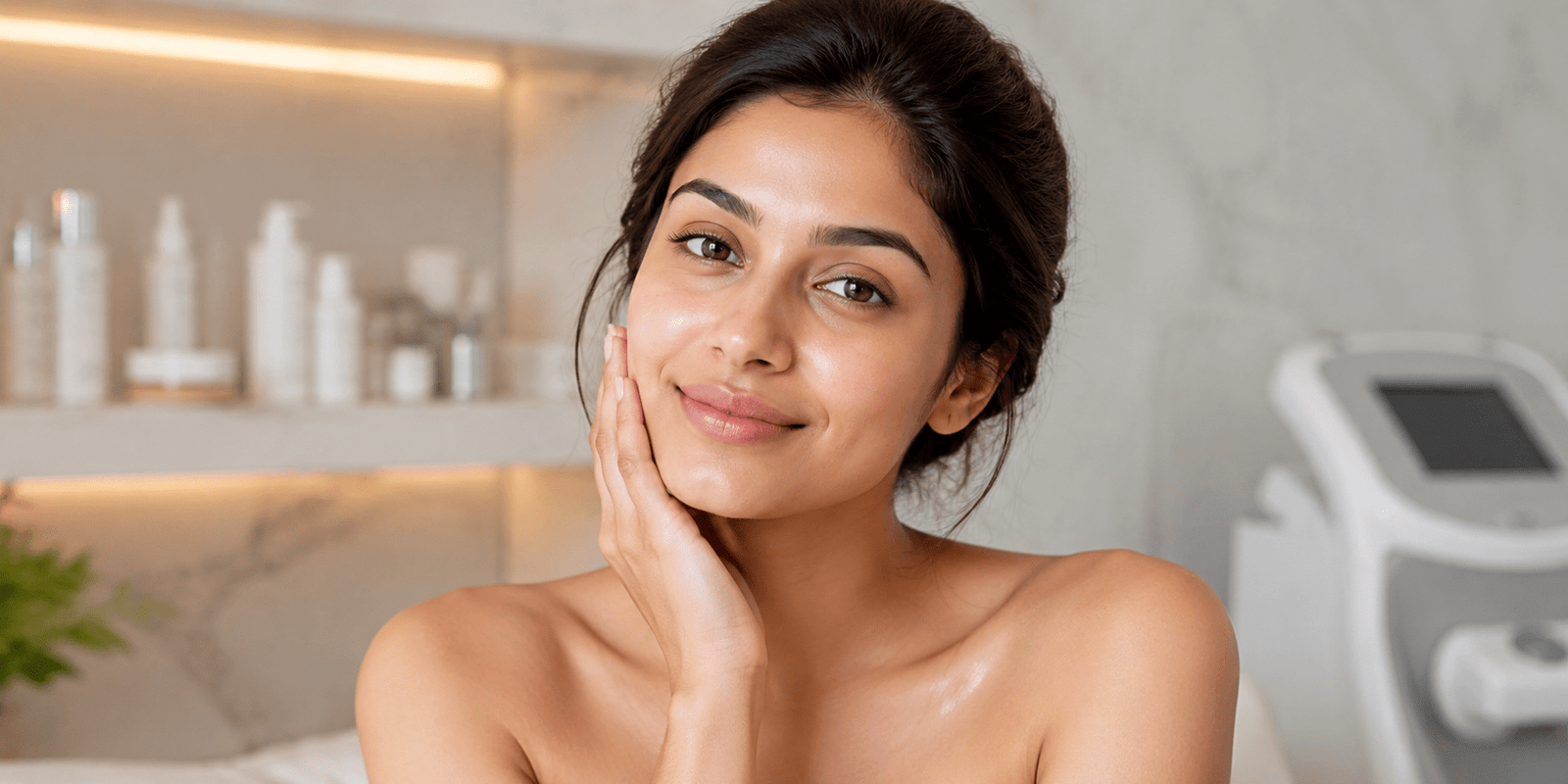
Peeling is a common skin concern that affects people of all ages. It usually happens when the outer layer of skin starts shedding because of dryness, sun damage, irritation, allergies, or certain skincare treatments. While mild peeling is often a natural part of the skin renewal process, excessive peeling may indicate that your skin needs extra care.
Understanding why your skin peels and how to treat it correctly can help restore a healthy skin barrier and improve your overall complexion. This guide explains everything you need to know in simple language.
What Is Peeling?
Peeling is the process where old or damaged skin cells shed from the surface to make room for fresh skin underneath. Your skin naturally renews itself every few weeks. However, factors such as weather changes, harsh skincare products, or medical conditions can make this process more noticeable.
Mild peeling is generally harmless, but if it is accompanied by pain, swelling, or severe redness, professional medical advice may be necessary.
Natural vs. Problematic Peeling
| Type | Characteristics | What You Should Do |
|---|---|---|
| Natural Peel | Mild flaking, no pain | Moisturize regularly |
| Dry Skin | Tightness and rough patches | Use a hydrating moisturizer |
| Sunburn | Peeling after sun exposure | Apply soothing skincare and sunscreen |
| Chemical Peel | Temporary shedding | Follow aftercare instructions |
| Allergic Reaction | Redness, itching, swelling | Stop the product and consult a dermatologist |
Common Causes of Peeling
Several factors can cause your skin to peel. Identifying the reason is the first step toward choosing the right treatment.
Dry Skin
Cold weather, indoor heating, hot showers, and harsh cleansers remove natural oils from the skin. As moisture decreases, the skin becomes rough and begins to flake.
Sunburn
Too much sun exposure damages the skin’s outer layer. After a few days, the damaged skin naturally starts peeling while new skin develops underneath.
Over-Exfoliation
Using strong exfoliating acids or scrubs too frequently can weaken the skin barrier. This often results in redness, sensitivity, and visible peel.
Allergic Reactions
Some skincare ingredients, fragrances, or cosmetic products may trigger irritation that leads to peel, itching, and inflammation.
Skin Conditions
Conditions such as eczema, psoriasis, or fungal infections may also cause peel. Persistent symptoms should always be evaluated by a dermatologist.

Signs That Need Attention
Although mild peel is usually harmless, some symptoms should never be ignored.
Contact a Dermatologist If You Notice
- Severe redness
- Pain or burning
- Bleeding skin
- Blisters
- Yellow discharge
- Peeling that continues for several weeks
- Fever along with skin symptoms
Early diagnosis helps prevent complications and protects your skin from long-term damage.
Best Treatments for Peeling
The treatment depends on the underlying cause.
Moisturize Frequently
Choose a moisturizer containing ceramides, glycerin, or hyaluronic acid to strengthen the skin barrier and reduce dryness.
Protect Your Skin
Wear sunscreen with SPF 30 or higher every day, even when indoors near windows. Sun protection prevents additional skin damage.
Avoid Harsh Products
Temporarily stop using strong acids, retinoids, alcohol-based toners, and rough scrubs until your skin recovers.
Stay Hydrated
Drinking enough water supports overall skin health and helps maintain moisture from within.
Seek Professional Treatment
If peel results from a skin condition or severe irritation, consult a qualified dermatologist for the correct diagnosis and treatment plan.
Daily Skincare Tips
A simple skincare routine can reduce the chances of excessive peeling.
Cleanse Gently
Use a mild cleanser that removes dirt without stripping natural oils.
Moisturize Immediately
Apply moisturizer within a few minutes after washing your face to lock in hydration.
Use Lukewarm Water
Hot water can dry out the skin and worsen peeling.
Wear Sunscreen Daily
Daily sun protection keeps the skin barrier healthy and reduces UV damage.
Choose Skin-Friendly Products
Look for fragrance-free and dermatologist-tested products, especially if you have sensitive skin.
Mistakes to Avoid
Many people unintentionally make peeling worse by following incorrect skincare habits.
- Pulling or picking peeling skin
- Using harsh facial scrubs daily
- Washing the face with very hot water
- Skipping moisturizer
- Ignoring sunscreen
- Trying multiple active ingredients together
- Continuing products that cause irritation
Making small changes to your routine can significantly improve skin recovery.
Conclusion
Peeling is often a natural process that helps your skin renew itself, but excessive peeling may indicate dryness, irritation, or an underlying skin condition. By understanding the causes, following a gentle skincare routine, and protecting your skin every day, you can reduce discomfort and maintain a healthy, smooth complexion. If symptoms become severe or do not improve, consulting a dermatologist is always the safest choice.