

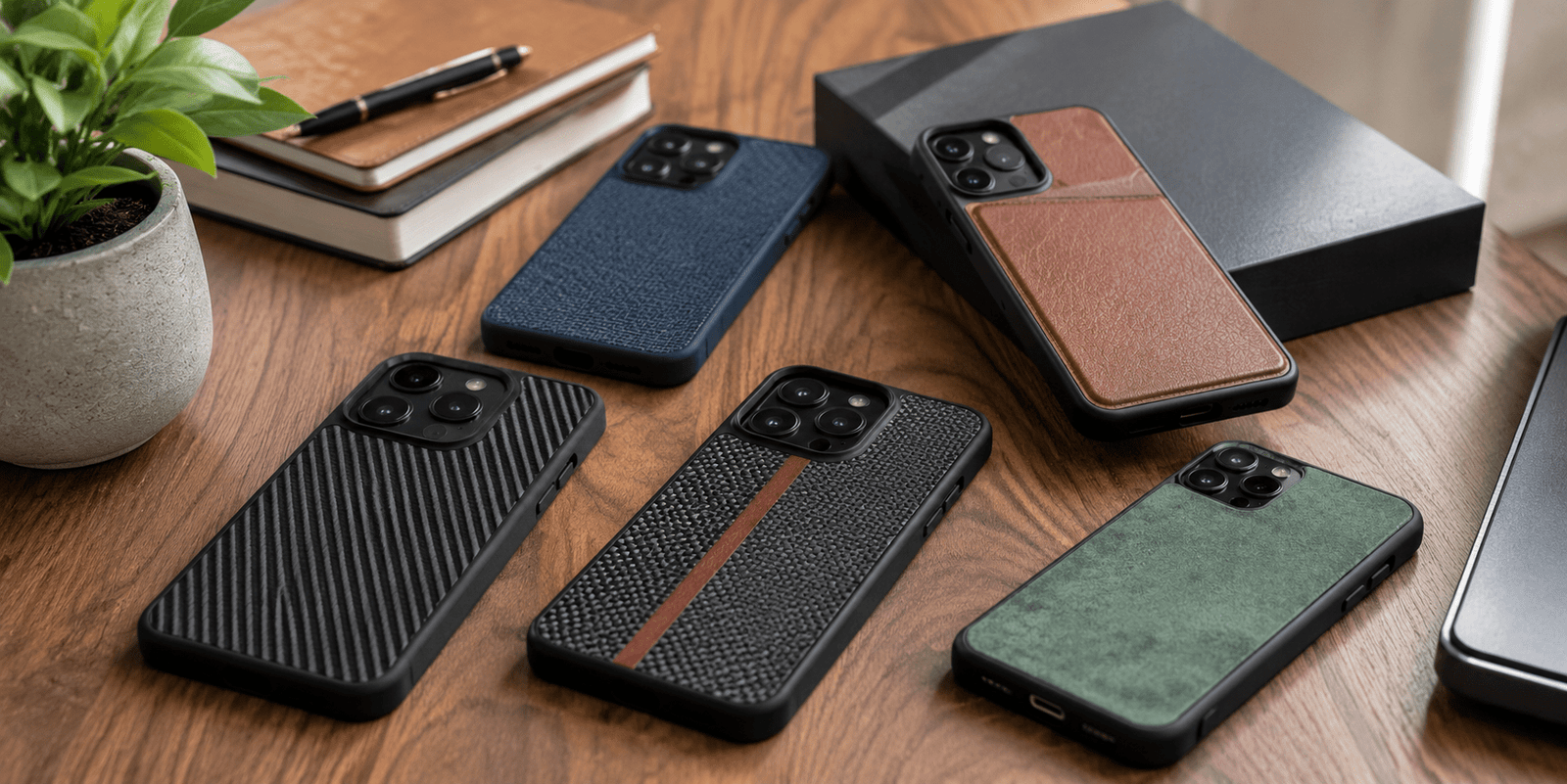
A phone cover is one of the simplest and most effective accessories for protecting your smartphone from everyday damage. Whether you own a flagship device or a budget-friendly phone, accidental drops, scratches, and dust can reduce its lifespan and appearance.
Modern smartphones are becoming more expensive every year. Therefore, investing in the right protection is no longer optional. A quality cover not only safeguards your device but also adds style and personality.
In this guide, you’ll discover three smart ways to protect your phone using the right cover, along with practical tips to help you make a better buying decision.
1. Choose the Right Material
The material of a phone cover plays a major role in determining how much protection your device receives. Different materials offer different benefits.
Silicone covers are flexible and comfortable to hold. They provide decent protection against minor drops and daily wear. On the other hand, hard polycarbonate covers offer better scratch resistance and maintain their shape for a longer time.
Leather covers provide a premium look and feel. However, they may not offer the same level of shock absorption as silicone or TPU covers.
For users who frequently travel or work outdoors, rugged cases with reinforced corners are often the best choice.
Why Material Matters
A poor-quality cover may look attractive initially, but it can wear out quickly and fail to protect your device when needed most. Choosing durable materials ensures long-term value and reliability.
2. Look for Impact Protection Features
Many people focus only on appearance when buying a cover. However, protection features should always be the top priority.
A good cover should include raised edges around the screen and camera module. These raised borders help prevent direct contact with surfaces when the phone is placed face down.
Shock-absorbing corners are another important feature. Since most phones land on their corners during accidental drops, reinforced edges can significantly reduce damage.
Essential Features to Check
| Feature | Benefit |
|---|---|
| Raised Screen Edges | Protects display from scratches |
| Camera Protection Ring | Prevents lens damage |
| Shock-Absorbing Corners | Reduces drop impact |
| Anti-Slip Texture | Improves grip |
| Dust Resistance | Keeps ports cleaner |
A cover with these features provides a balanced combination of safety and usability.
3. Match Protection with Your Lifestyle
Not every user requires the same type of cover. Your daily routine should influence your choice.
Students often prefer lightweight and stylish covers because they carry their phones throughout the day. Office professionals usually look for sleek and elegant designs that complement a professional appearance.
Meanwhile, travelers, delivery workers, and outdoor enthusiasts benefit from heavy-duty cases that offer maximum durability.
For Everyday Users
A slim TPU cover usually provides enough protection while maintaining the phone’s original look.
For Outdoor Activities
Rugged covers with military-grade protection are better suited for demanding environments where drops and impacts are more likely.
For Style-Conscious Users
Designer covers, transparent cases, and premium leather options combine protection with visual appeal.

4. Comparing Popular Phone Cover Types
Choosing among the many available options can feel overwhelming. Understanding their strengths helps simplify the decision.
Silicone Covers
Soft, flexible, affordable, and comfortable to hold. Ideal for general everyday use.
Transparent Covers
Perfect for users who want to showcase their phone’s original design while adding basic protection.
Rugged Covers
Built for maximum protection. Best suited for outdoor workers, travelers, and adventure enthusiasts.
Leather Covers
Elegant and professional. Suitable for business users who value aesthetics.
Wallet Covers
Offer additional functionality by storing cards and cash while protecting the device.
5. Common Mistakes to Avoid
Many buyers choose a cover based solely on appearance. While design matters, protection should remain the primary concern.
Another common mistake is purchasing extremely cheap covers made from low-quality materials. These products often crack quickly and provide minimal impact resistance.
Some users also ignore compatibility. Always ensure the cover is designed specifically for your smartphone model.
6. How to Maintain Your Phone Cover
Even the best cover requires regular maintenance.
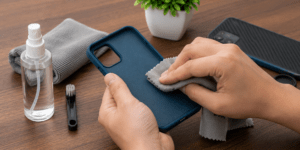
Clean silicone and TPU covers with mild soap and water. Leather covers should be cleaned using products designed specifically for leather surfaces.
Inspect your cover regularly for cracks, loose edges, or excessive wear. Replacing a damaged cover on time helps maintain effective protection.
7. Final Thoughts
A phone cover is much more than a decorative accessory. It serves as the first line of defense against accidental damage, scratches, and daily wear.
By choosing the right material, focusing on impact protection features, and matching the cover to your lifestyle, you can significantly extend the life of your smartphone. The best phone cover is one that balances durability, comfort, functionality, and style while meeting your everyday needs.