

Introduction
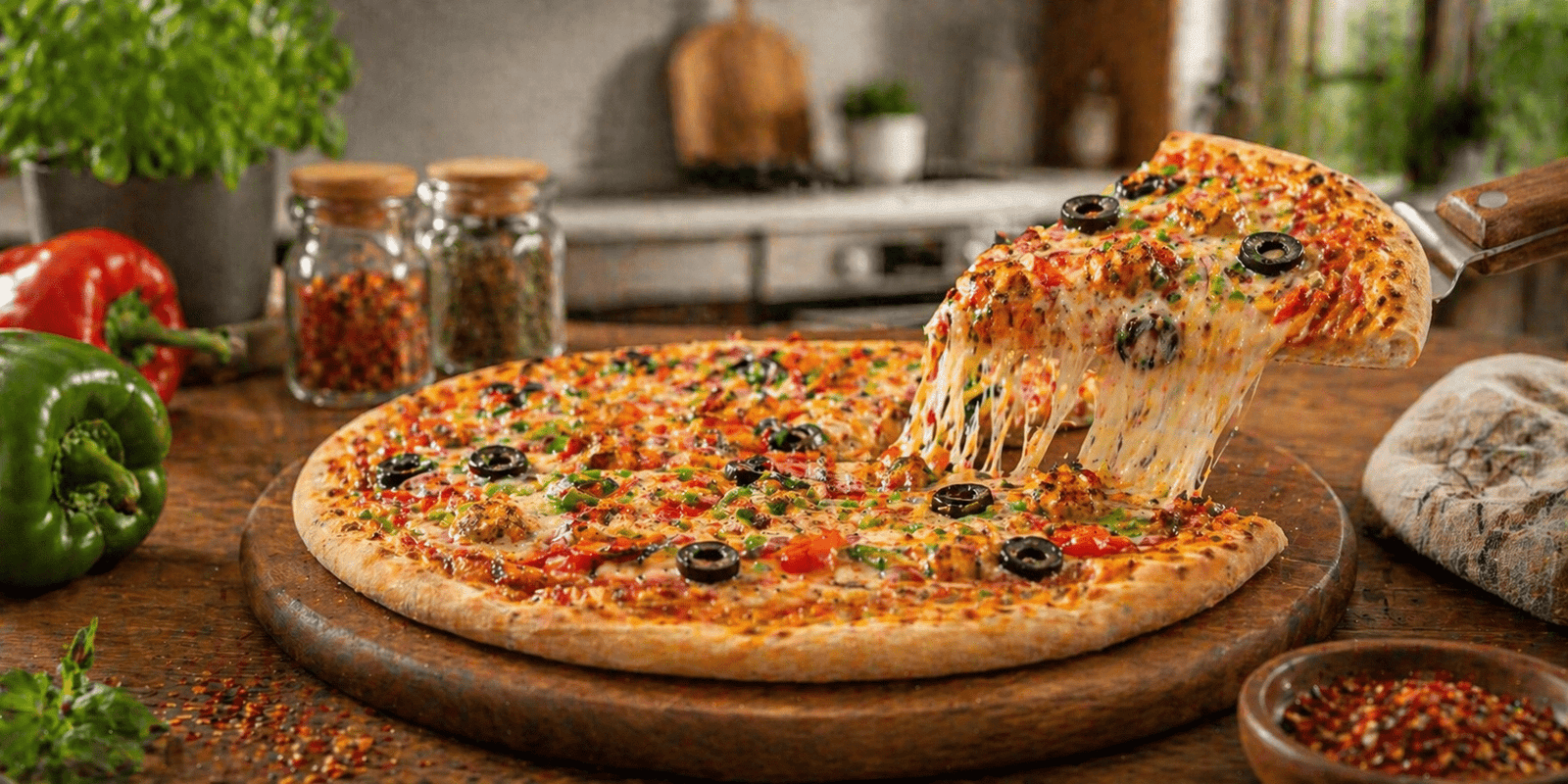
Pizza is one of the most loved foods in the world, enjoyed by people of all ages and cultures. Whether it’s a quick snack, a party favorite, or a comfort meal, pizza fits every mood perfectly. However, while it tastes amazing, understanding its benefits and disadvantages is equally important. This guide will help you explore everything about pizza in a balanced and practical way.
Table of Contents
- What is Pizza?
- Types of Pizza Around the World
- Nutritional Value of Pizza
- Advantages of Eating Pizza
- Disadvantages of Eating Pizza
- How to Make Pizza Healthier
- Tips to Enjoy Pizza Smartly
- Conclusion
What is Pizza?
Pizza is a baked dish that typically consists of a flat dough base topped with sauce, cheese, and various ingredients like vegetables or meat. Originating from Italy, it has now become a global favorite.
Today, pizza is more than just food—it’s a lifestyle choice. From street-style slices to gourmet versions, the variety is endless.
Why Pizza is So Popular
Pizza is popular because it is customizable, convenient, and incredibly satisfying. You can choose your toppings, crust, and flavors based on your taste.
Types of Pizza Around the World
There are many types of pizza available globally, each offering a unique taste and texture.
Common Pizza Styles
- Thin crust pizza
- Deep dish pizza
- Stuffed crust pizza
- Neapolitan pizza
- Veggie pizza
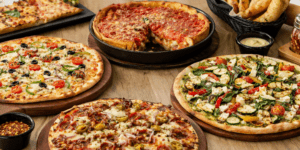
Each type offers a different experience. For example, thin crust is crispy and light, while deep dish is rich and filling.
Nutritional Value of Pizza
Pizza contains a mix of carbohydrates, fats, and proteins. However, the nutritional value depends on ingredients used.
| Nutrient | Average Value (per slice) |
|---|---|
| Calories | 250–300 kcal |
| Protein | 10–12 g |
| Fat | 10–15 g |
| Carbohydrates | 30–35 g |
| Calcium | Moderate |
Pizza can provide energy and essential nutrients, but moderation is key.
Advantages of Eating Pizza
Pizza is often seen as unhealthy, but it actually offers several benefits when consumed wisely.
Convenient and Quick Meal
Pizza is easy to order or prepare. It saves time, especially for busy individuals.
Customizable Options
You can add healthy toppings like vegetables, lean meats, and whole wheat crust.
Good Source of Energy
Pizza provides carbohydrates and fats, which give instant energy.
Social and Enjoyable Food
Pizza is perfect for gatherings, parties, and celebrations.

Disadvantages of Eating Pizza
Despite its popularity, pizza has some downsides that should not be ignored.
High in Calories
Most pizzas are calorie-dense, which can lead to weight gain if eaten frequently.
Excessive Fat and Cheese
Too much cheese increases saturated fat intake, which is not ideal for heart health.
High Sodium Content
Pizza often contains high salt levels, which can impact blood pressure.
Low Nutritional Balance
If made with processed ingredients, pizza may lack essential nutrients.

How to Make Pizza Healthier
You don’t have to give up pizza completely. Instead, make smarter choices.
Healthy Pizza Tips
- Choose whole wheat or multigrain crust
- Add more vegetables like capsicum, onion, spinach
- Use less cheese or low-fat cheese
- Avoid processed meats
- Control portion size

Tips to Enjoy Pizza Smartly
Eating pizza mindfully can help you enjoy it without harming your health.
Smart Eating Habits
- Eat pizza occasionally, not daily
- Pair it with salad or juice
- Avoid sugary drinks with pizza
- Share portions instead of overeating
Moreover, choosing homemade pizza over fast food options can make a big difference.
Conclusion
Pizza is a delicious and versatile food that fits perfectly into modern lifestyle. While it offers convenience, taste, and satisfaction, it also comes with certain disadvantages like high calories and fat content. Therefore, the key is balance. By making healthier choices and controlling portions, you can enjoy pizza without compromising your health.