

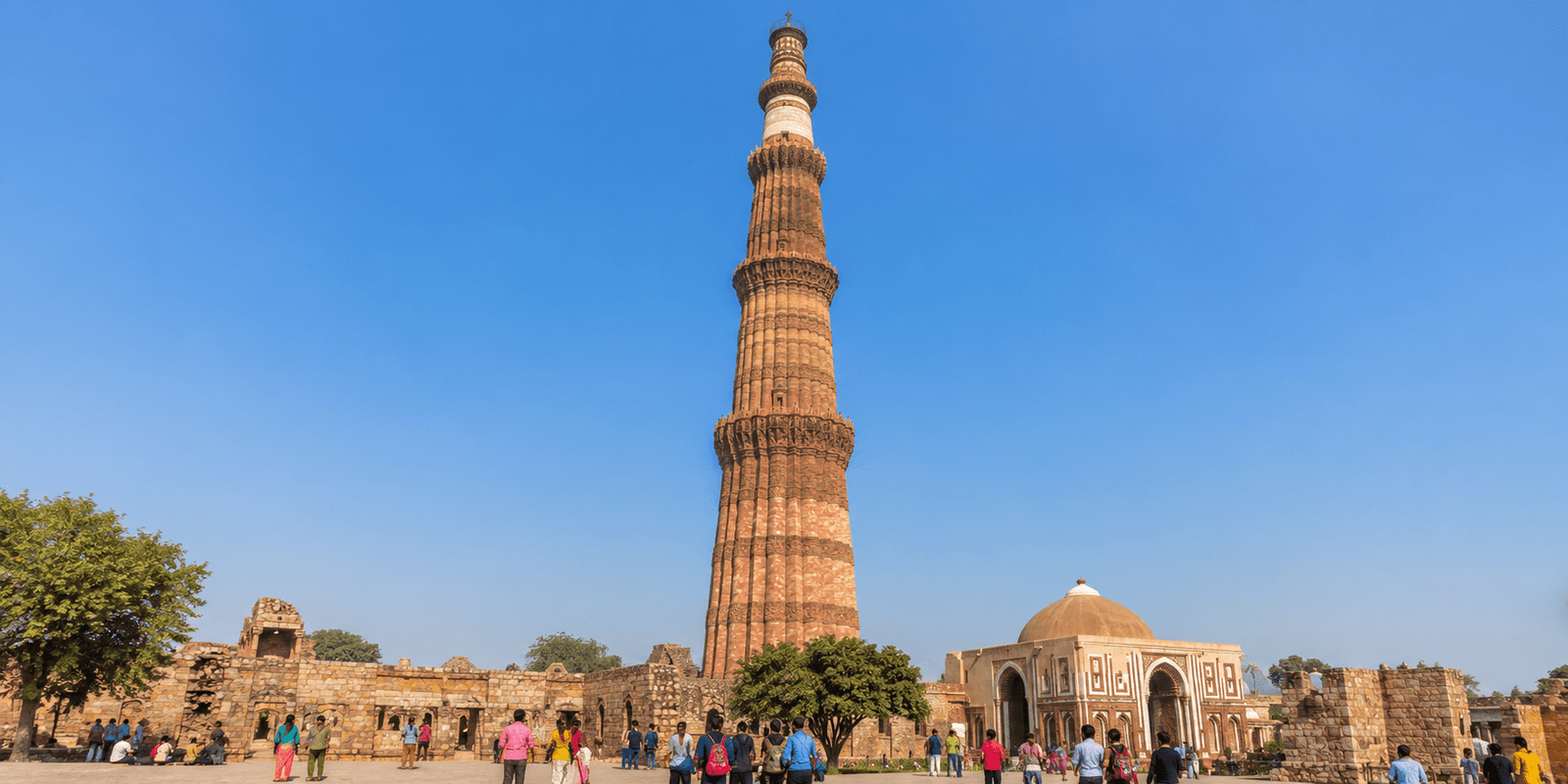
Qutb Minar is one of India’s most famous historical landmarks and a symbol of Delhi’s rich cultural heritage. Every year, millions of domestic and international travelers visit this magnificent monument to admire its towering structure, fascinating history, and remarkable architecture.
Recognized as a UNESCO World Heritage Site, the monument represents centuries of Indian history. Whether you are a history enthusiast, architecture lover, photographer, or casual traveler, this iconic destination offers a memorable experience. In this guide, we will explore the key reasons behind its popularity and everything you should know before planning your visit.
1. The Historical Significance of Qutb Minar
The story of Qutb Minar dates back to the late 12th century. Construction began under Qutb-ud-din Aibak, the founder of the Delhi Sultanate. His successor, Iltutmish, completed additional sections, while later rulers carried out restorations and improvements.
The monument reflects an important period in Indian history when architectural styles from different cultures blended together. Over the centuries, it survived earthquakes, weather conditions, and political changes, making it one of the most significant historical structures in the country.
Today, visitors come not only to admire the tower but also to connect with the rich legacy it represents.
2. Unique Architecture That Stands the Test of Time
One of the biggest reasons travelers admire Qutb Minar is its extraordinary architecture. Standing approximately 73 meters tall, it remains one of the tallest brick minarets in the world.
The structure is built primarily from red sandstone, with later additions featuring marble and other materials. Detailed carvings, Arabic inscriptions, and decorative patterns cover the tower’s surface, showcasing exceptional craftsmanship.
The design includes multiple balconies supported by intricately carved brackets. As visitors look upward, they can appreciate the gradual narrowing of the tower, which enhances both its beauty and structural stability.
Qutb Minar Quick Facts
| Feature | Details |
|---|---|
| Location | Mehrauli, Delhi |
| Height | Approximately 73 meters |
| UNESCO Status | World Heritage Site |
| Construction Started | 1192 AD |
| Primary Material | Red Sandstone |
| Famous For | Indo-Islamic Architecture |
3. Exploring the Qutb Complex
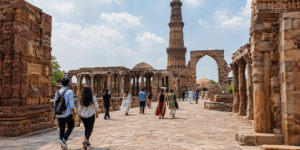
Although the tower is the main attraction, the surrounding Qutb Complex contains several historically important structures worth exploring.
Alai Darwaza
Known for its elegant design, Alai Darwaza is considered a masterpiece of Indo-Islamic architecture. Its detailed geometric patterns and decorative arches attract architecture enthusiasts from around the world.
Iron Pillar
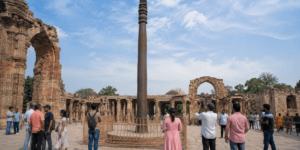
The Iron Pillar is one of the most intriguing attractions within the complex. Despite being over a thousand years old, it has shown remarkable resistance to corrosion, making it a subject of interest for historians and scientists.
Quwwat-ul-Islam Mosque
This mosque is among the earliest surviving examples of Islamic architecture in India. Visitors can observe unique architectural elements that highlight the transition between different artistic traditions.
4. Visitor Information and Travel Tips
Planning ahead can help you enjoy a smoother experience during your visit.
Timings
The monument is generally open daily from morning until evening. Arriving early allows visitors to avoid crowds and enjoy pleasant weather.
Tickets
Entry tickets are available both online and at the venue. Online booking is often the more convenient option, especially during weekends and holiday seasons.
Photography
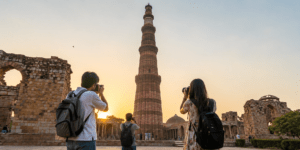
The monument offers excellent photography opportunities. Morning and late afternoon light often create the most attractive conditions for capturing architectural details.
Accessibility
The site is well-connected by road and metro, making it easily accessible from different parts of Delhi.
5. Best Time to Visit Qutb Minar
While the monument welcomes visitors throughout the year, certain seasons provide a more comfortable experience.
Winter Season
Winter, from October to March, is considered the ideal time for sightseeing in Delhi. Cooler temperatures make walking around the large complex much more enjoyable.
Early Morning Visits
Visiting shortly after opening hours offers several advantages. The environment is calmer, crowds are smaller, and photography conditions are often excellent.
Evening Experience
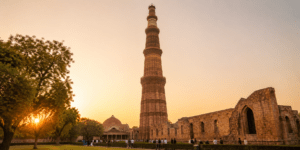
The monument looks especially impressive during sunset when warm light highlights the intricate carvings and architectural details.
6. Why Qutb Minar Continues to Attract Millions
There are several reasons why Qutb Minar remains one of Delhi’s most visited attractions.
Rich Historical Value
Visitors appreciate the opportunity to experience a monument that has witnessed centuries of Indian history.
Architectural Excellence
The detailed carvings, towering height, and unique design continue to impress travelers from around the globe.
UNESCO Recognition
Its status as a UNESCO World Heritage Site adds to its international appeal and cultural importance.
Educational Experience
Students, researchers, and history enthusiasts find valuable insights into medieval Indian architecture and heritage.
Excellent Photography Opportunities
From wide-angle shots to detailed architectural photography, the monument offers countless creative possibilities.
Convenient Location
Located in South Delhi, the site is easily accessible and can be combined with other nearby attractions for a complete sightseeing experience.
Conclusion
Qutb Minar remains one of India’s most remarkable historical monuments. Its fascinating history, extraordinary architecture, and cultural significance continue to attract millions of visitors every year. Whether you are exploring Delhi for the first time or revisiting its heritage landmarks, this iconic tower deserves a place on your itinerary.
From the impressive minaret to the historic structures within the Qutb Complex, every corner tells a story of craftsmanship, innovation, and resilience. A visit here offers much more than sightseeing—it provides a deeper understanding of India’s architectural and cultural legacy.