

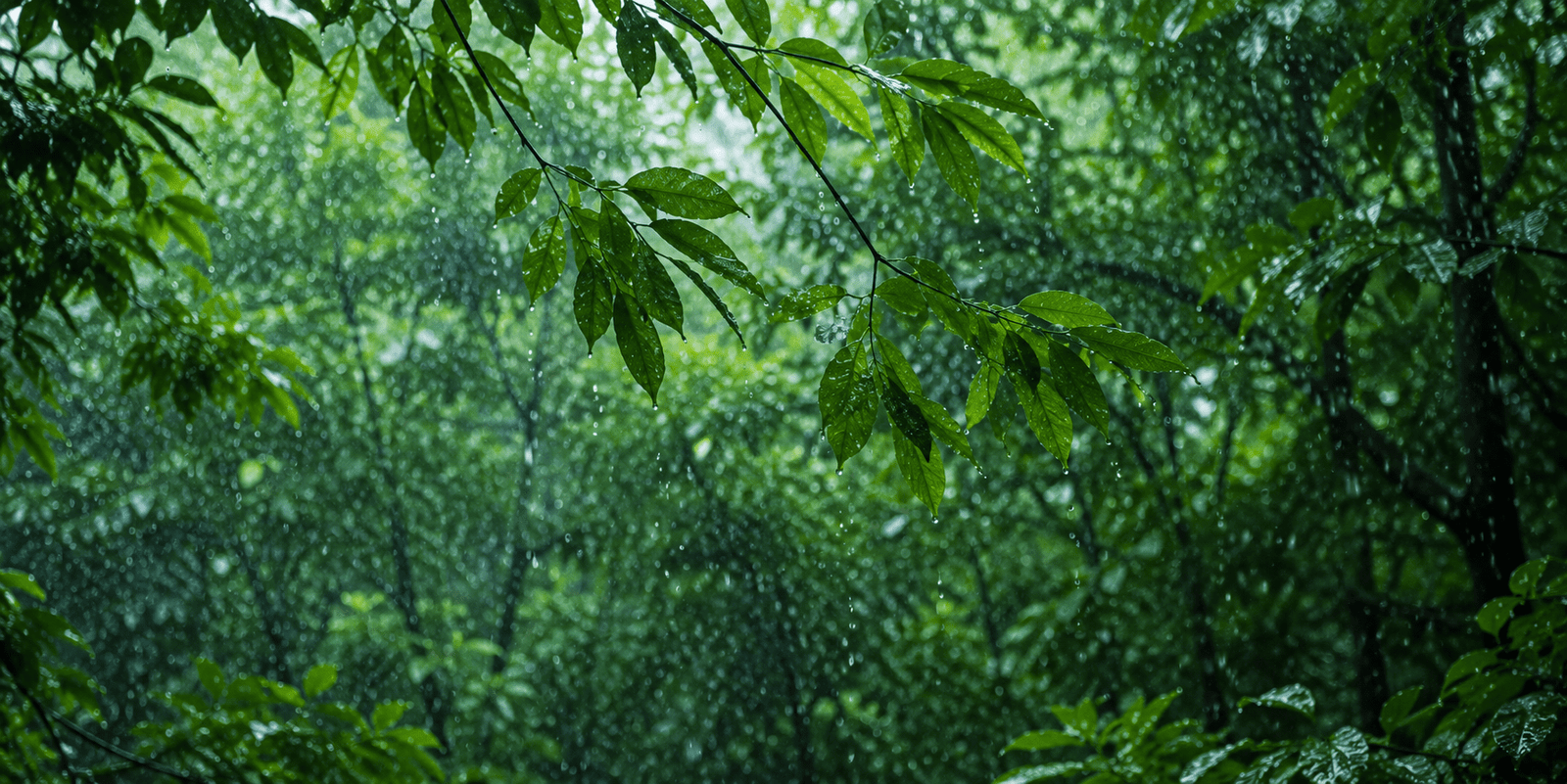
Raindrops are among nature’s most familiar sights, yet few people realize how fascinating they truly are. Whether you are watching rain from a window, walking through a light drizzle, or enjoying the fresh scent after a storm, every drop tells a story about Earth’s natural systems.
Rain is much more than water falling from the sky. It helps plants grow, replenishes rivers, supports wildlife, and maintains the balance of ecosystems. Understanding the hidden secrets behind raindrops can make even an ordinary rainy day feel extraordinary.
How Raindrops Begin Their Journey
Every raindrop starts high in the atmosphere. Water from oceans, lakes, rivers, and soil evaporates into the air due to the sun’s heat. This water vapor rises and cools, forming clouds.
Inside these clouds, tiny water particles collide and combine. As they become larger and heavier, gravity eventually pulls them toward Earth. What reaches the ground is the rain we experience every day.
This simple process is a vital part of the water cycle, ensuring that freshwater continuously circulates throughout the planet.
The Role of Clouds
Clouds act like floating water reservoirs. Different cloud types produce different rainfall patterns. Dark, thick clouds often indicate heavier precipitation, while lighter clouds usually bring gentle rain.
Why Raindrops Are Not Tear-Shaped
Many people imagine raindrops as tear-shaped because of how they are commonly illustrated. However, science reveals a different reality.
Small raindrops are actually almost spherical. Surface tension pulls water molecules together, creating a rounded shape. As drops grow larger, air resistance changes their appearance slightly.
The largest raindrops can become somewhat flattened at the bottom, similar to a hamburger bun rather than a teardrop.
Common Raindrop Shapes
| Raindrop Size | Typical Shape | Characteristics |
|---|---|---|
| Tiny | Nearly spherical | Smooth and round |
| Medium | Slightly flattened | Stable during fall |
| Large | Flattened bottom | Greater air resistance |
| Very Large | Irregular shape | May break into smaller drops |
Understanding these shapes helps meteorologists study rainfall patterns and weather systems more accurately.
The Science Behind Their Sparkle
One of the most beautiful aspects of rainfall is the way water droplets reflect light. When sunlight passes through raindrops, it bends and scatters.
This process creates sparkling effects and, under the right conditions, even rainbows. The interaction between sunlight and water droplets produces the vibrant colors people admire after storms.
Moreover, morning rain often appears especially bright because sunlight reaches the droplets at lower angles, enhancing reflections.

Why Rainbows Appear
Rainbows occur when sunlight enters a droplet, reflects internally, and exits at a different angle. Millions of droplets working together create the colorful arc visible in the sky.
How Rain Supports Life on Earth
Without rain, life as we know it would not exist. Rainfall replenishes groundwater, fills reservoirs, nourishes crops, and supports forests.
Farmers rely heavily on seasonal rainfall for agriculture. Natural ecosystems also depend on consistent precipitation to maintain biodiversity.
Furthermore, rainfall helps regulate temperatures by cooling the atmosphere and distributing moisture throughout different regions.
Benefits of Rainfall
For Plants
Plants absorb rainwater through their roots, enabling growth and food production.
For Animals
Wildlife depends on rain-fed lakes, rivers, and vegetation for survival.
For Humans
Rain supplies drinking water, supports farming, and contributes to energy production through hydroelectric systems.

Different Types of Raindrops
Not all rain is the same. Various weather conditions create different rainfall experiences.
Drizzle
Drizzle consists of very small droplets that fall slowly and create a light mist-like effect.
Moderate Rain
This is the most common type of rainfall and occurs when medium-sized droplets fall steadily.
Heavy Rain
Heavy rain contains larger droplets and delivers substantial water in a short period.
Monsoon Rain
In many regions, especially India, monsoon systems bring seasonal rainfall that supports agriculture and replenishes water resources.
The size and frequency of raindrops influence visibility, soil absorption, and overall weather conditions.
Surprising Records and Facts About Rain
Nature constantly surprises us with extraordinary rainfall events.
Some tropical regions receive rainfall almost every day. Certain mountain areas experience significantly higher annual precipitation than nearby locations due to elevation and wind patterns.
Scientists have also discovered that raindrops can carry microscopic particles, helping transport nutrients through ecosystems.
Interesting Rain Facts
Rain Can Clean the Air
Rainfall removes dust, pollen, and pollutants from the atmosphere, often making the air feel fresher afterward.
Rain Creates Unique Sounds
The sound of rain changes depending on where droplets land, whether on leaves, rooftops, roads, or water surfaces.
Every Storm Is Different
No two rainstorms are exactly alike because atmospheric conditions constantly change.

Why Raindrops Inspire People Worldwide
Throughout history, rain has inspired poets, artists, photographers, and storytellers. Many cultures view rainfall as a symbol of renewal, growth, and hope.
The gentle rhythm of rain often creates feelings of relaxation and reflection. In modern lifestyles, people frequently enjoy watching rainfall while reading, listening to music, or spending time indoors.
Rain and Emotional Well-Being
Research and personal experiences suggest that natural sounds, including rainfall, can help create a calming atmosphere. This is one reason rain recordings are popular for relaxation and focus.

Conclusion
Raindrops may seem simple, but they are remarkable examples of nature’s complexity and beauty. From their formation in clouds to their role in supporting ecosystems, every drop contributes to the balance of life on Earth.
The next time you see rain falling outside, take a moment to appreciate the science, beauty, and importance hidden within those tiny droplets. Understanding raindrops helps us connect more deeply with the natural world and recognize the incredible processes happening above us every day.