

Introduction
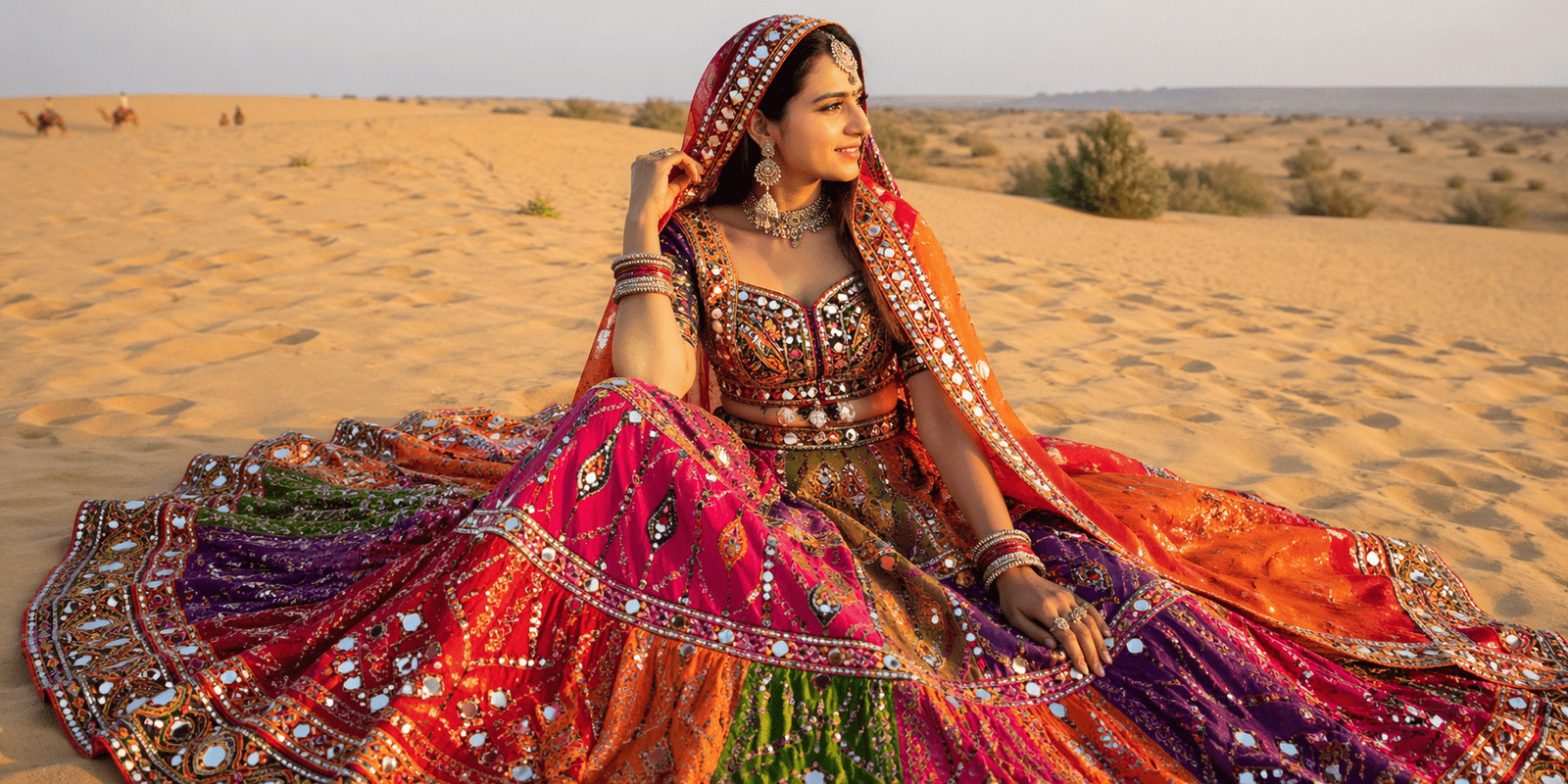
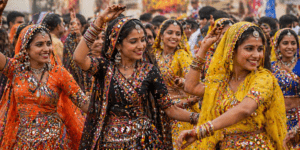
Rajasthani dress is one of the most vibrant and culturally rich traditional outfits in India, known for its bold colors, intricate patterns, and royal elegance. Whether worn during festivals, weddings, or cultural events, this attire reflects the heritage of Rajasthan beautifully.
From flowing ghagras to beautifully embroidered odhnis, every piece tells a story. Moreover, modern fashion has added a fresh twist to this traditional style, making it more versatile and wearable.
In this guide, you will explore different styles, styling tips, and the cultural importance of the rajasthani dress so you can confidently carry a royal ethnic look.
Table of Contents
Sections
- What Makes Rajasthani Dress Unique
- Types of Traditional Rajasthani Dress
- Fabric, Colors, and Patterns
- Styling Tips for Modern Look
- Occasions to Wear Rajasthani Dress
- Accessories That Complete the Look
- Care and Maintenance Tips
What Makes Rajasthani Dress Unique
The uniqueness of a rajasthani dress lies in its bold use of colors, handcrafted detailing, and cultural symbolism. Unlike other traditional outfits, it reflects both the climate and traditions of Rajasthan.
Bright colors like red, yellow, and blue are commonly used. These colors not only stand out in desert landscapes but also represent joy and celebration.
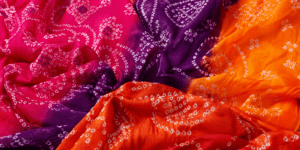
Moreover, techniques such as Bandhani (tie-dye) and mirror work add a distinctive charm that cannot be easily replicated.
Key Features
- Vibrant color palette
- Intricate embroidery
- Lightweight yet voluminous fabrics
- Cultural storytelling through patterns
Types of Traditional Rajasthani Dress
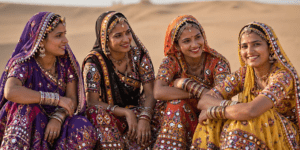
There are several styles within the rajasthani dress category, each representing a specific region or occasion.
Ghagra Choli
The most iconic outfit includes a long skirt (ghagra), a blouse (choli), and a dupatta (odhni). It is widely worn during festivals and weddings.
Bandhani Dress
This tie-dye technique creates beautiful dotted patterns. It is lightweight and perfect for daily or festive wear.
Angrakha Style Dress
This overlapping style top adds a royal touch and is often paired with flared skirts.
Rajputi Poshak
A more elegant and traditional version, often worn by brides or during ceremonial events.
Fabric, Colors, and Patterns
The choice of fabric plays a crucial role in defining the comfort and elegance of a rajasthani dress.
Element Description Fabric Cotton, silk, georgette Colors Bright tones like red, yellow, green Patterns Bandhani, leheriya, mirror work Embroidery Zari, thread work, gota patti Cotton is ideal for daily wear, while silk and georgette are perfect for festive occasions.
In addition, patterns like leheriya (wave design) bring movement and energy to the outfit.
Styling Tips for Modern Look
While traditional styles remain timeless, modern styling can make your rajasthani dress more versatile.
Mix Traditional with Contemporary
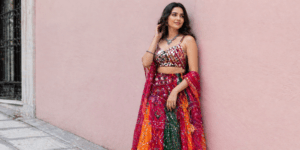
Pair a ghagra with a crop top or a modern blouse for a fusion look.
Minimal Accessories
Instead of heavy jewelry, choose statement pieces to keep the look balanced.
Play with Dupatta Draping
Try different draping styles to give a fresh appearance.
Footwear Matters
Pair with juttis or even block heels for a stylish finish.
Moreover, adding a belt over the dupatta can instantly upgrade the outfit into a trendy ensemble.
Occasions to Wear Rajasthani Dress
A rajasthani dress is highly versatile and suitable for multiple occasions.
Festivals
Perfect for celebrations like Diwali, Teej, and Navratri.
Weddings
Bridal and guest outfits often include heavily embroidered versions.
Cultural Events
Ideal for showcasing traditional Indian heritage.
Casual Ethnic Wear
Lightweight versions can be worn daily with simple styling.
Therefore, investing in one well-designed outfit can serve multiple purposes.
Accessories That Complete the Look
Accessories play a vital role in enhancing the beauty of a rajasthani dress.
Jewelry
- Kundan necklaces
- Heavy earrings
- Maang tikka
Footwear
- Mojris
- Embroidered juttis
Additional Elements
- Bangles
- Waist belts
- Nose rings
However, balance is important. Over-accessorizing can overpower the outfit.
Care and Maintenance Tips
Proper care ensures that your rajasthani dress lasts for years.
Washing
Always prefer dry cleaning for heavy embroidery.
Storage
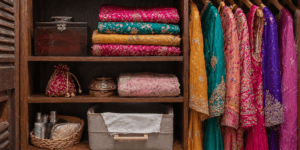
Store in cotton bags to avoid moisture damage.
Handling
Avoid direct sunlight to maintain color vibrancy.
Ironing
Use low heat, especially for delicate fabrics like georgette.
In addition, keeping silica gel packets can help prevent humidity damage.
Conclusion
Rajasthani dress is not just clothing; it is a representation of culture, heritage, and timeless fashion. From traditional ghagra choli styles to modern fusion looks, it offers endless possibilities for styling.
By choosing the right fabric, accessories, and styling approach, you can easily create a royal and elegant appearance. Whether for festivals or casual wear, this outfit remains a standout choice in ethnic fashion.