

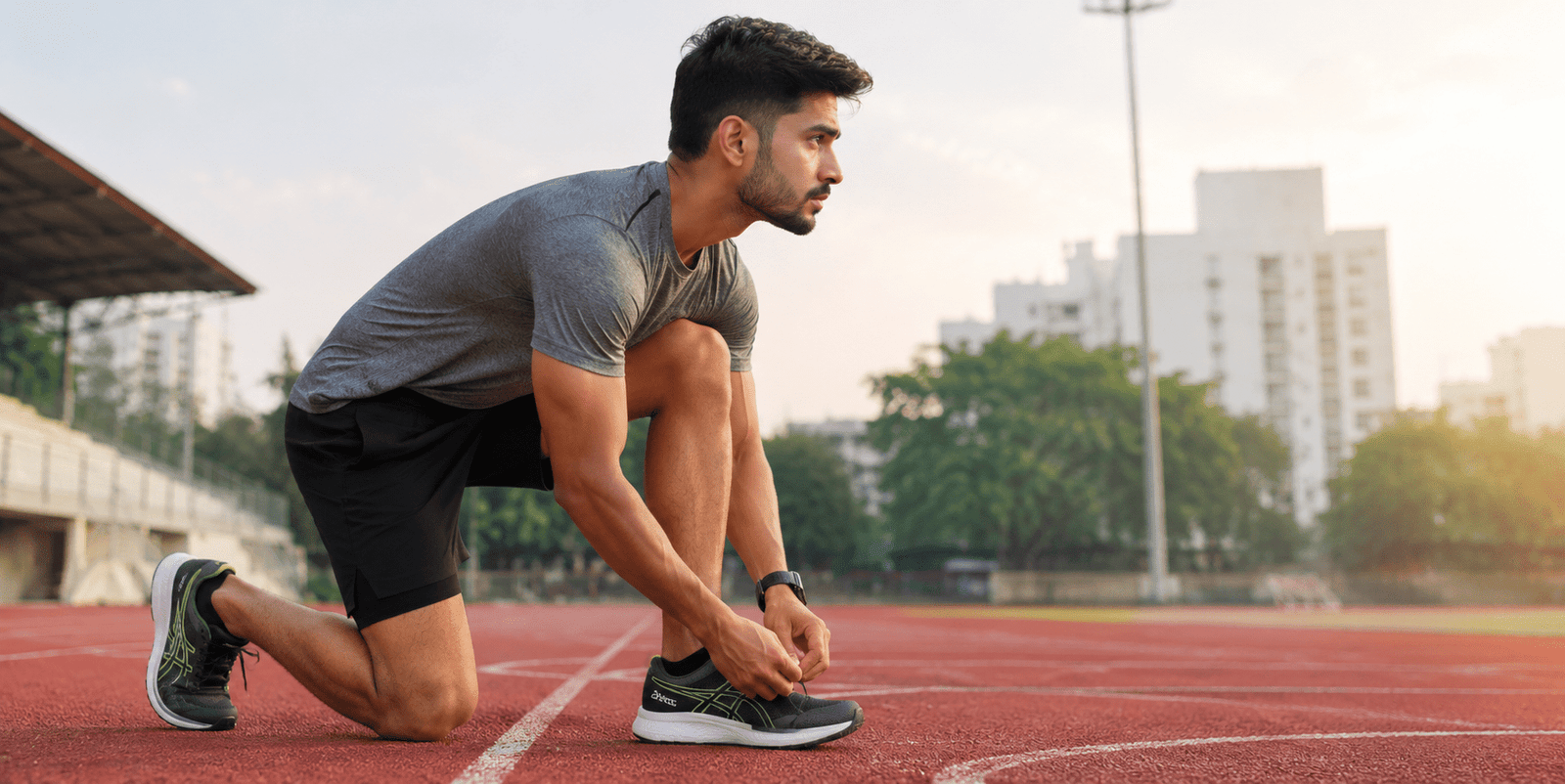
Running shoes are the foundation of a comfortable and effective running routine. Whether you run every morning for fitness, train for longer distances, or simply enjoy staying active, choosing the right footwear can significantly improve your experience.
The wrong pair can lead to discomfort, fatigue, and even injuries. On the other hand, well-designed running footwear provides cushioning, support, and stability that help you perform better while protecting your feet. This guide explains everything you need to know about selecting the best options for daily running.
Why Running Shoes Matter for Daily Running
Many people assume that any sports shoe can be used for running. However, running places repeated impact on your feet, ankles, knees, and joints. Properly designed running footwear absorbs shock and distributes pressure more effectively.
Daily runners especially need footwear that balances comfort, durability, and performance. Consistent support helps reduce stress on the body and allows runners to maintain a healthy routine over the long term.

Key Features to Look for in Running Shoes
Choosing footwear becomes easier when you understand the features that directly affect comfort and performance.
Cushioning and Comfort
Cushioning helps absorb impact during each stride. Runners who train daily often prefer shoes with responsive foam midsoles that provide softness without feeling unstable.
Comfort should never be ignored. A shoe that feels uncomfortable during a short trial is unlikely to feel better during longer runs.
Fit and Support
Proper fit is equally important. There should be enough room in the toe box while maintaining a secure fit around the heel.
Support requirements vary from person to person. Some runners need extra stability, while others perform best in neutral shoes designed for natural movement.
Types of Running Shoes
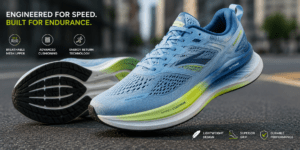
Different runners have different needs. Understanding the main categories can help narrow your options.
Neutral Running Shoes
These shoes are designed for runners with a natural stride. They focus on cushioning and flexibility while allowing the foot to move naturally.
Stability Running Shoes
Stability models provide additional support for runners who experience excessive inward foot movement during running.
Trail Running Shoes
Trail-specific footwear includes aggressive traction patterns and enhanced protection for uneven terrain.
Lightweight Running Shoes
These models prioritize speed and agility. They are often preferred by experienced runners who want a more responsive feel.
How to Choose the Right Pair
Finding the right footwear involves more than selecting a popular brand. Consider the following factors:
Running Goals
Your goals influence the type of shoe you need. Casual runners may prioritize comfort, while competitive runners often focus on performance and responsiveness.
Running Surface
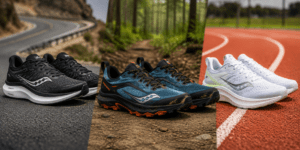
Road runners generally benefit from smoother outsoles and softer cushioning. Trail runners require enhanced grip and protection.
Foot Shape
Foot width and arch structure affect fit and comfort. Trying different models can help identify the most suitable option.
Durability
Daily runners should pay attention to construction quality. Durable materials provide better long-term value and consistent performance.
Running Shoes Comparison Table
| Feature | Daily Running Shoes | Lightweight Running Shoes | Trail Running Shoes |
|---|---|---|---|
| Cushioning | High | Moderate | Moderate |
| Comfort | Excellent | Good | Good |
| Weight | Moderate | Very Light | Moderate |
| Surface | Roads & Tracks | Roads | Trails |
| Durability | High | Medium | High |
| Best For | Daily Training | Speed Runs | Off-Road Running |
Common Mistakes to Avoid
Many runners make purchasing decisions based only on appearance. While style matters, performance and comfort should always come first.
Another common mistake is choosing shoes that are too small. Feet naturally expand during running, so allowing adequate space is important.
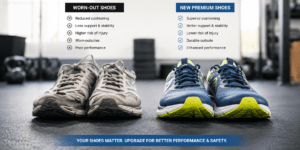
Some runners also continue using worn-out footwear for too long. Over time, cushioning materials lose effectiveness, increasing the risk of discomfort and injury.
Caring for Your Running Shoes
Proper maintenance helps extend the lifespan of your footwear.
Clean Them Regularly
Remove dirt and debris after runs, especially if you frequently run outdoors.
Allow Proper Drying
Avoid placing shoes near direct heat sources. Natural air drying helps preserve materials and cushioning.
Rotate Between Pairs
Experienced runners often alternate between two pairs. This allows cushioning materials to recover and can increase durability.
Replace When Necessary
Most running footwear performs best for several hundred kilometers before support and cushioning begin to decline.

Conclusion
Choosing the right running shoes can transform your daily running experience. The ideal pair should provide comfort, support, durability, and a fit that matches your running style. By understanding key features, comparing different types, and avoiding common mistakes, you can confidently select footwear that helps you run more comfortably and consistently.
Investing in quality running shoes is not just about performance—it is also about protecting your body and making every run more enjoyable.