

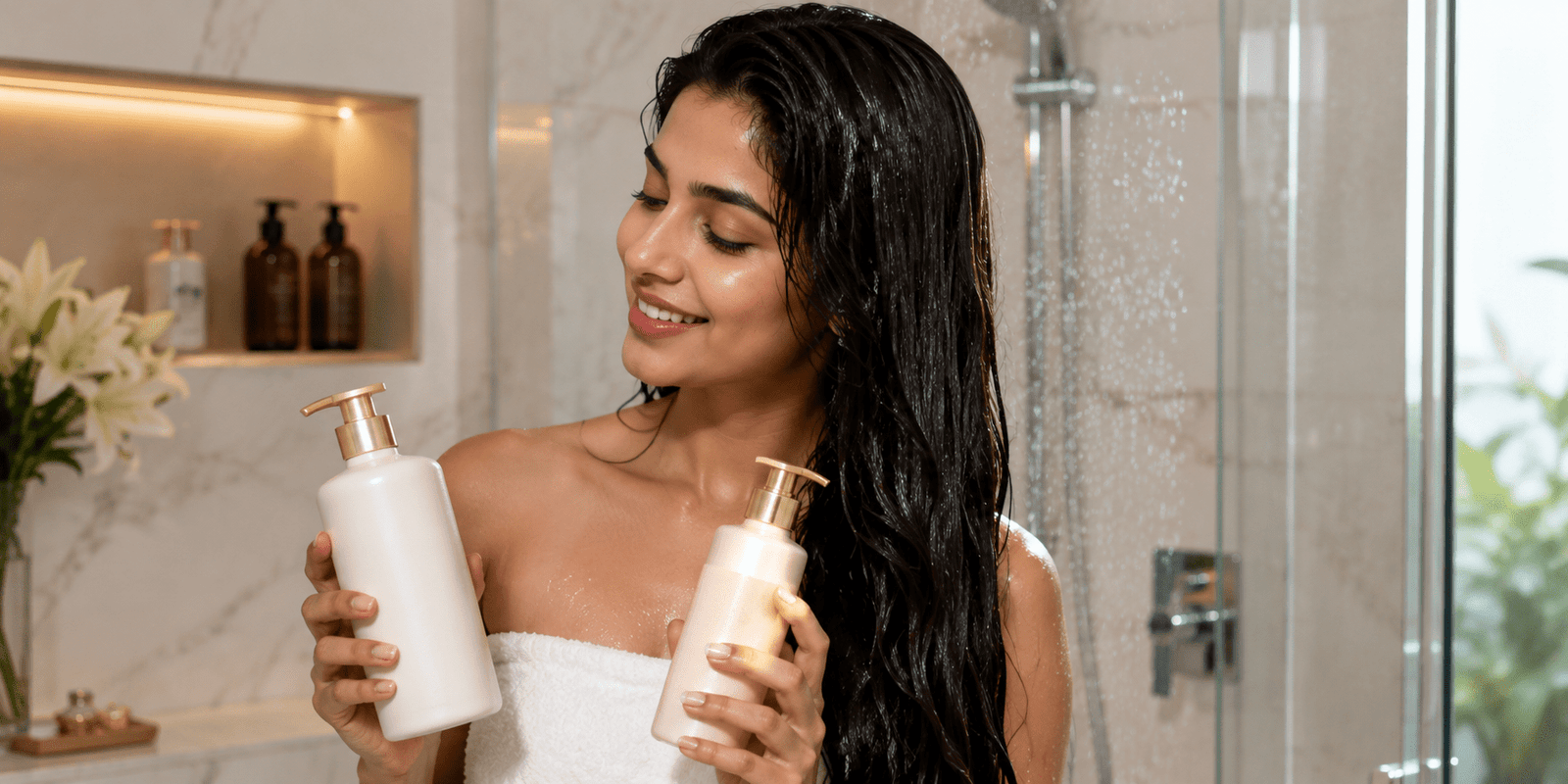
Shampoo and conditioner are essential for maintaining healthy, clean, and manageable hair. The right hair care routine not only improves hair texture but also protects the scalp from dryness, buildup, and damage.
Many people struggle with frizzy, dull, or weak hair because they use products that do not match their hair type. However, choosing suitable shampoo and conditioner products can make a noticeable difference in hair health, shine, and strength.
Healthy hair starts with understanding what your scalp and hair truly need. Whether your hair is oily, dry, curly, straight, or chemically treated, using the correct products helps maintain balance and nourishment.
Why Shampoo and Conditioner Are Important
Hair is exposed daily to pollution, sweat, dust, sunlight, and styling products. Therefore, regular cleansing becomes necessary to maintain scalp hygiene and freshness.
Shampoo removes dirt, excess oil, and product residue from the scalp. At the same time, conditioner helps restore softness, moisture, and smoothness to the hair strands. Together, they maintain healthy hair texture and reduce breakage.
A balanced hair care routine also supports better scalp circulation and prevents issues like dandruff, itchiness, and dryness. Moreover, properly conditioned hair becomes easier to style and manage.
Understanding Different Hair Types
Every hair type requires specific care. Using unsuitable products can weaken the hair and make problems worse over time.
Dry Hair
Dry hair lacks natural moisture and often feels rough or brittle. Hydrating shampoo and conditioner products containing coconut oil, argan oil, or shea butter work well for this hair type.
Oily Hair
Oily scalps produce excess sebum, making hair greasy quickly. Lightweight cleansing shampoos help control oil without stripping natural moisture completely.
Curly Hair
Curly hair tends to become dry and frizzy more easily. Sulfate-free formulas and deep conditioning products help maintain curl definition and softness.
Chemically Treated Hair
Hair coloring, rebonding, and other treatments weaken hair strands. Protein-rich conditioners and repairing shampoos help restore strength and shine.
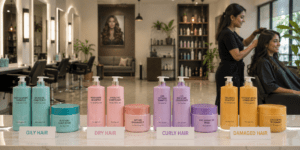
| Hair Type | Recommended Shampoo | Recommended Conditioner |
|---|---|---|
| Dry Hair | Moisturizing Shampoo | Deep Hydration Conditioner |
| Oily Hair | Clarifying Shampoo | Lightweight Conditioner |
| Curly Hair | Sulfate-Free Shampoo | Anti-Frizz Conditioner |
| Damaged Hair | Repair Shampoo | Protein Conditioner |
Ingredients That Benefit Hair Health
Understanding product ingredients helps you make smarter hair care decisions. Many premium hair products include nourishing ingredients that improve hair texture over time.
Natural Oils
Argan oil, coconut oil, and almond oil provide deep nourishment and reduce dryness. These oils also help improve hair shine naturally.
Keratin
Keratin strengthens damaged hair and smooths rough cuticles. It is commonly found in repairing shampoo and conditioner formulas.
Aloe Vera
Aloe vera helps calm irritated scalps and adds lightweight hydration. It is suitable for sensitive skin and dry hair.
Biotin and Proteins
Biotin supports stronger hair growth, while proteins improve elasticity and reduce hair breakage.
Avoid harsh sulfates and excessive alcohol-based products because they may strip away natural scalp oils.
How to Wash Hair Properly
Many people wash their hair incorrectly without realizing it. Simple changes in technique can improve hair quality significantly.
Step 1: Wet Hair Thoroughly
Use lukewarm water instead of hot water. Hot water can dry out both the scalp and hair strands.
Step 2: Apply Shampoo Correctly
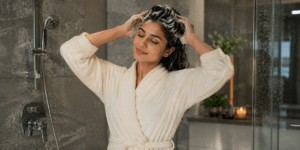
Take a moderate amount of shampoo and focus mainly on the scalp area. Massage gently using fingertips to improve blood circulation.
Step 3: Rinse Completely
Product buildup can cause scalp irritation. Therefore, rinse thoroughly until the hair feels clean and fresh.
Step 4: Use Conditioner Properly
Apply conditioner mainly to the mid-lengths and ends of the hair. Avoid applying heavy conditioner directly to the scalp.
Step 5: Air Dry When Possible
Excessive heat styling weakens hair over time. Letting hair dry naturally helps maintain moisture balance.
Common Hair Care Mistakes
Small daily mistakes often lead to long-term hair damage. Understanding these habits can help protect your hair.
Overwashing Hair
Washing hair too frequently removes natural oils and may increase dryness or scalp irritation.
Using Too Much Product
Excess shampoo or conditioner can leave residue and weigh hair down unnecessarily.
Ignoring Scalp Health
Healthy hair begins with a healthy scalp. Neglecting scalp care may result in dandruff, itching, or weak roots.
Frequent Heat Styling
Regular use of straighteners and curling tools can damage hair cuticles and increase split ends.
Skipping Conditioner
Conditioner helps maintain moisture and smoothness. Skipping it regularly may make hair rough and unmanageable.
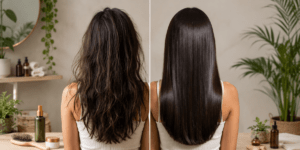
Daily and Weekly Hair Care Routine
Consistency plays a major role in improving hair quality. A simple and balanced routine often delivers better results than using too many products.
Daily Routine
Use a mild shampoo when necessary and apply a lightweight conditioner. Protect hair from excessive sunlight and pollution whenever possible.
Weekly Routine
Use a deep conditioning hair mask once or twice a week. Gentle scalp massage with nourishing oils may also improve blood circulation and relaxation.
Additionally, trimming split ends regularly helps maintain healthier-looking hair.
Professional Tips for Long-Lasting Hair Health
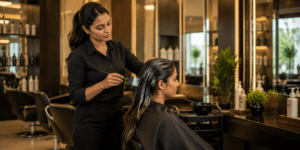
Professional hairstylists often recommend simple habits that support stronger and shinier hair naturally.
Choose Products Carefully
Always read labels and avoid products with excessive sulfates and harsh chemicals.
Maintain a Healthy Diet
Hair health also depends on nutrition. Protein, vitamins, and hydration contribute significantly to stronger hair growth.
Avoid Tight Hairstyles
Very tight ponytails or buns can create unnecessary tension on the roots and lead to hair breakage.
Protect Hair While Sleeping
Using silk pillowcases helps reduce friction and minimizes frizz overnight.
Conclusion
Shampoo and conditioner are more than basic hair care products. They play a major role in maintaining scalp hygiene, moisture balance, hair strength, and overall appearance.
Choosing the right products according to your hair type can improve texture, reduce damage, and make hair easier to manage. Moreover, combining good products with healthy hair habits creates long-lasting results.
With proper care, consistency, and the right shampoo and conditioner routine, achieving smooth, healthy, and naturally beautiful hair becomes much easier.