

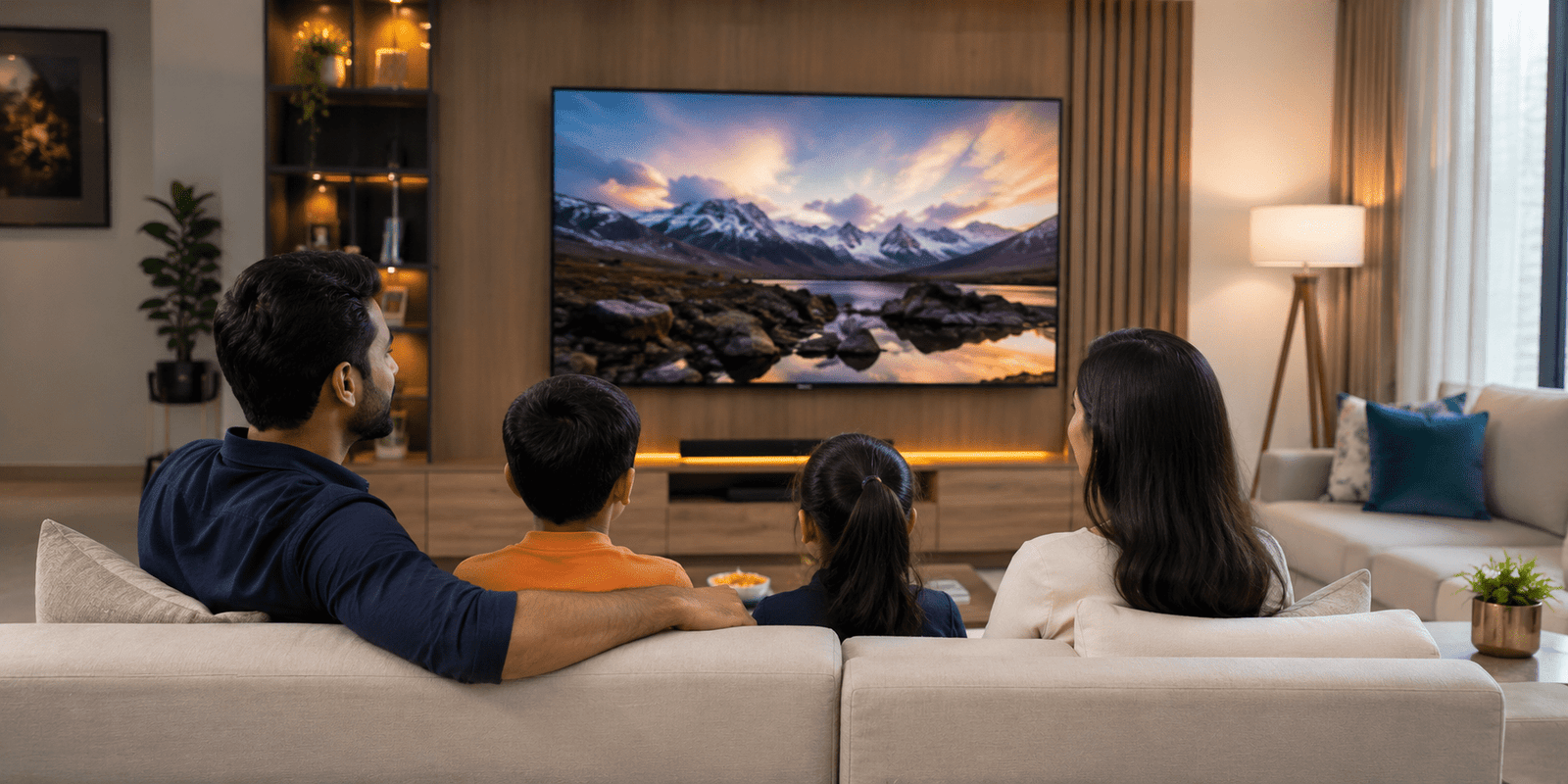
Smart TV technology has transformed the way people consume entertainment. Today’s televisions do much more than display channels. They connect to the internet, run apps, support streaming services, and even integrate with smart home devices.
However, choosing the right television can be challenging because hundreds of models offer different features, display technologies, and operating systems. Understanding the most important specifications before making a purchase can help you get better value for your money.
This guide explains eight essential features that every buyer should evaluate before investing in a smart television.
1. Display Resolution and Picture Quality
The display is the most important part of any smart television. Modern TVs typically offer HD, Full HD, 4K, and even 8K resolutions.
For most households, 4K resolution provides the ideal balance between picture quality and affordability. It delivers sharper images, better detail, and a more immersive viewing experience.
Additionally, display technologies such as LED, QLED, and OLED affect color accuracy, brightness, and contrast levels. OLED panels generally provide deeper blacks and superior image quality, while QLED displays offer excellent brightness.
2. Screen Size and Viewing Distance
Selecting the right screen size is equally important. A television that is too small may not provide an immersive experience, while an oversized screen can be uncomfortable in compact rooms.
The ideal size depends on the distance between the TV and the seating area.
| Screen Size | Recommended Viewing Distance |
|---|---|
| 43 Inches | 5–7 Feet |
| 50 Inches | 6–8 Feet |
| 55 Inches | 7–9 Feet |
| 65 Inches | 8–11 Feet |
| 75 Inches | 10–13 Feet |
Before purchasing, measure your room carefully and choose a size that complements the available space.
3. Operating System and User Experience
The operating system determines how easily you can navigate apps, settings, and content.
Popular platforms include Android TV, Google TV, Tizen, and webOS. Each platform offers unique advantages, but the most important factors are speed, app availability, and ease of use.
A well-designed interface saves time and improves the overall entertainment experience. Therefore, buyers should explore the operating system before making a final decision.
4. HDR Support
HDR, or High Dynamic Range, significantly improves picture quality by enhancing brightness, contrast, and color accuracy.
When comparing televisions, look for support for formats such as HDR10, HDR10+, or Dolby Vision. These technologies make movies and television shows appear more realistic and visually impressive.
If you frequently watch streaming content, HDR support can noticeably enhance your viewing experience.
5. Sound Quality
Many buyers focus heavily on picture quality and overlook audio performance.
Although modern televisions have become thinner and more attractive, compact designs often limit speaker performance. As a result, built-in speakers may not provide the depth and clarity that many users expect.
Consider checking speaker output ratings and audio technologies such as Dolby Atmos. Alternatively, pairing the television with a soundbar can dramatically improve sound quality.
6. Connectivity Options
A good smart TV should offer sufficient connectivity options for current and future devices.
Important ports and connections include:
HDMI Ports
HDMI ports are essential for gaming consoles, streaming devices, and media players. At least three HDMI ports are recommended.
USB Ports
USB connectivity allows users to access photos, videos, and music directly from external storage devices.
Wi-Fi and Bluetooth
Reliable wireless connectivity is crucial for streaming content, connecting headphones, and integrating smart accessories.
The more versatile the connectivity options, the more future-ready the television becomes.
7. Streaming Apps and Content Support
One of the biggest reasons people purchase a smart television is access to streaming services.
Ensure the device supports popular platforms such as Netflix, YouTube, Prime Video, Disney+ Hotstar, and other regional services you regularly use.
Moreover, check whether the television receives software updates. Regular updates improve performance, security, and compatibility with new applications.

8. Smart Features and Voice Control
Modern smart TV models now include advanced features that go beyond traditional entertainment.
Many televisions support voice assistants, screen mirroring, mobile casting, and smart home integration. These features allow users to control devices, search content, and manage entertainment more conveniently.
Voice commands are particularly useful because they simplify navigation and reduce dependence on remote controls.
As smart home technology continues to grow, televisions are becoming central hubs for connected living environments.

Conclusion
Choosing the right smart TV requires more than comparing prices. Buyers should evaluate display quality, screen size, operating system, HDR capabilities, sound performance, connectivity options, streaming support, and smart features.
By understanding these eight essential factors, you can confidently select a television that matches your entertainment needs and delivers long-term value. A carefully chosen smart TV will enhance your viewing experience for years while keeping your home ready for future technology trends.