

Introduction
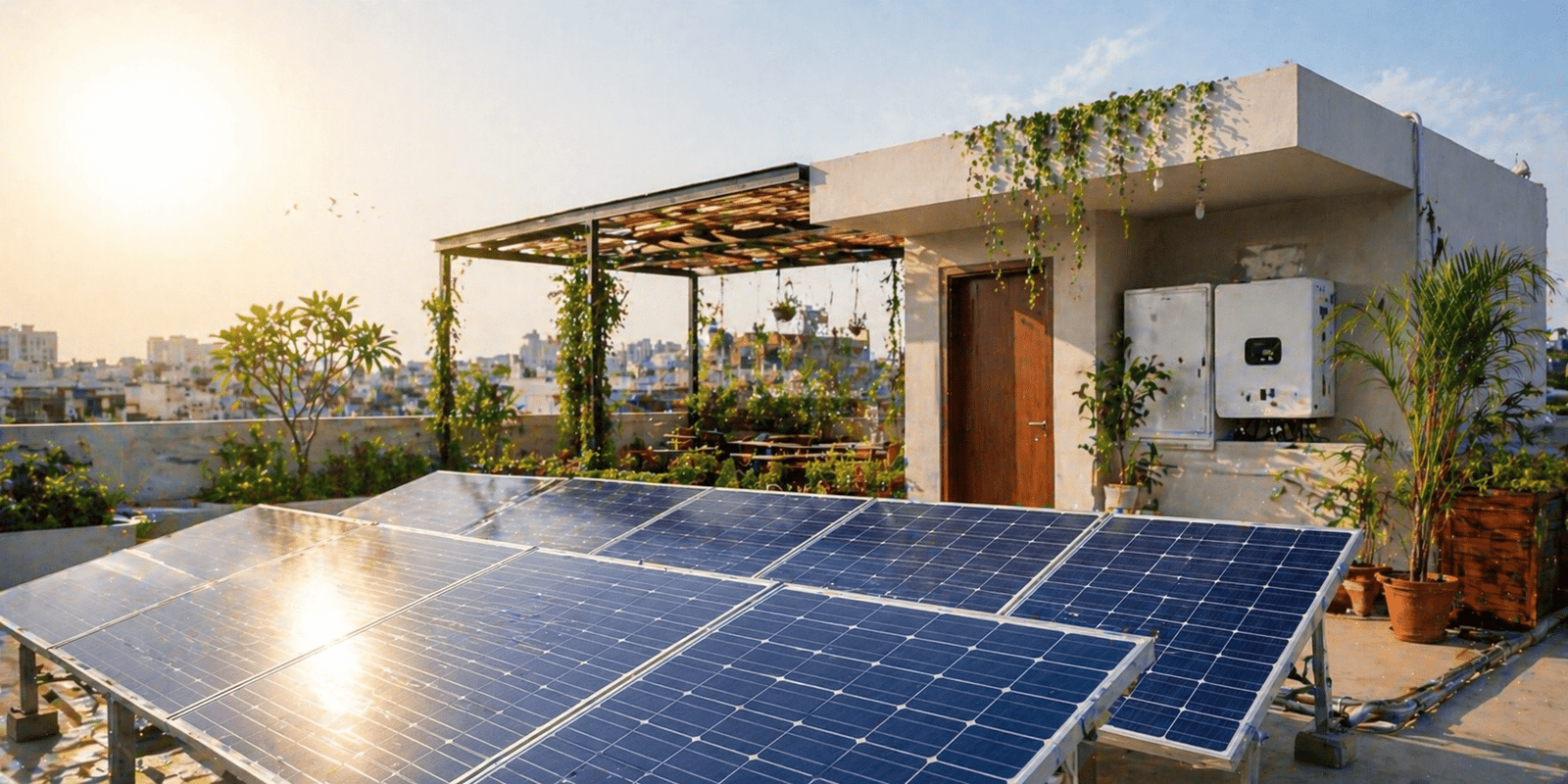
Solar panel technology is transforming how homes generate electricity, making clean and affordable energy more accessible than ever. With rising electricity costs and environmental concerns, homeowners are actively shifting toward solar energy solutions.
A solar-powered home not only reduces dependency on traditional electricity but also offers long-term savings. Whether you live in a metro city or a small town, solar adoption is becoming practical and profitable.
Table of Contents
1. What is a Solar Panel?
2. How Solar Panels Work
3. Key Benefits of Solar Panels
4. Solar Panel Cost and Savings
5. Types of Solar Panel Systems
6. Installation Process Explained
7. Maintenance and Lifespan
8. Is Solar Panel Worth It in India?
1. What is a Solar Panel?
A solar is a device that converts sunlight into electricity using photovoltaic (PV) cells. These panels capture solar energy and transform it into usable power for homes and businesses.
They are usually installed on rooftops where they receive maximum sunlight throughout the day.
Solar are part of a complete system that includes an inverter, battery (optional), and wiring setup. Together, they create a sustainable power solution for daily needs.
2. How Solar Panels Work
Solar work through a simple yet powerful process. When sunlight hits the photovoltaic cells, it generates direct current (DC) electricity.
This DC electricity is then converted into alternating current (AC) by an inverter, making it usable for household appliances.
In addition, excess electricity can either be stored in batteries or sent back to the grid, depending on the system type.
3. Key Benefits of Solar Panels
Switching to solar energy offers multiple advantages beyond just saving money.
Lower Electricity Bills
One of the biggest benefits is reduced electricity costs. Once installed, your dependence on grid power decreases significantly.
Eco-Friendly Energy
Solar power is clean and renewable. It reduces carbon emissions and helps protect the environment.
Energy Independence
With solar, you are less affected by rising electricity prices and power cuts.
Increased Property Value
Homes with solar installations are often valued higher in the real estate market.
Government Subsidies
In India, government incentives make solar installation more affordable for homeowners.

4. Solar Cost and Savings
Understanding the cost is crucial before investing in solar technology. While the initial setup may seem expensive, long-term savings make it worthwhile.
Below is a simple comparison:
| Factor | Without Solar | With Solar |
|---|---|---|
| Monthly Electricity Bill | High | Low |
| Long-Term Cost | Increasing | Stable |
| Environmental Impact | High | Minimal |
| Energy Source | Non-renewable | Renewable |
In India, the average rooftop system can recover its cost within 4–6 years. After that, the electricity generated is practically free.
5. Types of Solar Systems
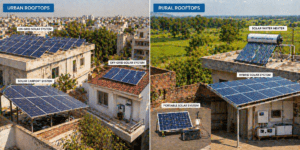
There are three main types of solar panel systems available:
On-Grid System
Connected to the electricity grid. It is cost-effective and widely used.
Off-Grid System
Works independently with battery storage. Ideal for remote areas.
Hybrid System
Combines both grid connection and battery backup for maximum flexibility.
6. Installation Process Explained
Installing solar is a structured process handled by professionals.
First, a site inspection is conducted to evaluate roof space and sunlight exposure. Then, a customized system is designed based on your energy needs.
After approval, installation typically takes 2–5 days. Finally, the system is connected and tested to ensure smooth operation.
The entire process has become faster and more streamlined in recent years.
7. Maintenance and Lifespan
Solar require minimal maintenance, which makes them highly convenient.
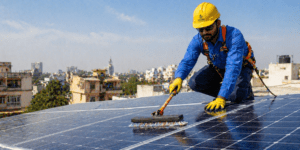
Cleaning the panels every few weeks ensures optimal performance. Dust and debris can reduce efficiency, especially in urban areas.
Most solar come with a lifespan of 25–30 years. Inverters may need replacement after 10–12 years.
8. Is Solar Panel Worth It in India?
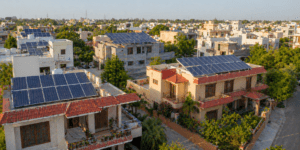
Considering the climate and sunlight availability, India is an ideal country for solar energy adoption.
Most regions receive ample sunlight throughout the year, making solar systems highly efficient.
Additionally, rising electricity prices and government support further strengthen the case for solar investment.
For homeowners looking to reduce expenses and adopt sustainable living, solar panels are a smart long-term decision.
Conclusion
Solar panel systems are no longer a luxury but a practical solution for modern homes. They offer long-term savings, environmental benefits, and energy independence.
As technology advances and costs continue to drop, adopting solar energy becomes an even smarter choice. Investing in solar today means securing a cleaner and more affordable future for tomorrow.