


Introduction
Sunscreen for oily skin is often misunderstood as heavy, greasy, and pore-clogging—but the truth is completely different. The right sunscreen can actually control excess oil, prevent acne, and protect your skin from sun damage without making your face shiny.
If you struggle with oily or acne-prone skin, skipping sunscreen might feel tempting. However, that decision can lead to pigmentation, premature aging, and even more breakouts. The key lies in choosing the right formula that suits your skin type.
In this guide, you’ll discover how to pick the perfect sunscreen, what ingredients to look for, and the best options that truly work for oily skin.
Table of Contents
1. Why Oily Skin Needs Sunscreen
2. Key Features to Look for in Sunscreen for Oily Skin
3. Types of Sunscreens Explained
4. 7 Best Sunscreen for Oily Skin
5. Common Mistakes to Avoid
6. How to Apply Sunscreen Correctly
7. Expert Tips for Better Results
8. Conclusion
1. Why Oily Skin Needs Sunscreen
Many people believe oily skin doesn’t need sunscreen, but that’s a myth. In reality, sun exposure increases oil production and damages your skin barrier.
Moreover, UV rays can worsen acne marks and cause uneven skin tone. Without protection, your skin becomes more sensitive and prone to breakouts.
Therefore, using a suitable sunscreen is not optional—it’s essential for maintaining healthy skin.
2. Key Features to Look for in Sunscreen for Oily Skin
Choosing the right sunscreen can make a huge difference. Here are the features you should focus on:
Oil-Free Formula
Always choose a product labeled “oil-free” or “non-comedogenic.” These won’t clog pores.
Matte Finish
A matte sunscreen helps control shine and keeps your face fresh throughout the day.
Lightweight Texture
Gel-based or water-based sunscreens absorb quickly and feel comfortable on oily skin.
Broad-Spectrum Protection
Ensure SPF 30 or higher with protection against both UVA and UVB rays.
3. Types of Sunscreens Explained
Understanding sunscreen types helps you make smarter choices.
Chemical Sunscreen
These absorb UV rays and are usually lightweight. Perfect for daily use.
Physical Sunscreen
They sit on the skin and reflect sunlight. Suitable for sensitive skin but can feel slightly heavy.
Hybrid Sunscreen
A combination of both, offering balanced protection and comfort.
4. 7 Best Sunscreen for Oily Skin
Here are some highly effective options that work well for oily skin types:
1. Gel-Based Sunscreen
Lightweight and absorbs quickly without leaving residue.
2. Matte Finish Sunscreen
Controls oil and gives a smooth, shine-free look.
3. Water-Based Sunscreen
Feels refreshing and doesn’t clog pores.
4. Mineral Sunscreen (Lightweight Formula)
Good for sensitive oily skin with minimal irritation.
5. Tinted Sunscreen
Provides light coverage and reduces the need for foundation.
6. Sweat-Resistant Sunscreen
Ideal for outdoor activities and humid weather.
7. Non-Comedogenic Sunscreen
Specially designed to prevent acne breakouts.

5. Comparison Table of Sunscreen Types
| Type of Sunscreen | Best For | Texture | Finish | Skin Benefit |
|---|---|---|---|---|
| Gel-Based | Daily use | Lightweight | Matte | Oil control |
| Water-Based | Summer | Ultra-light | Natural | Hydration |
| Matte Finish | Oily skin | Smooth | Matte | Shine control |
| Mineral | Sensitive skin | Slightly thick | Natural | Gentle protection |
| Tinted | Makeup lovers | Creamy | Even tone | Light coverage |
6. Common Mistakes to Avoid
Even the best sunscreen won’t work if used incorrectly.
Skipping Sunscreen Indoors
UV rays can penetrate windows, so daily use is necessary.
Using Too Little Product
Most people apply less than required, reducing effectiveness.
Not Reapplying
Reapply every 2–3 hours, especially if sweating.
Choosing Wrong Formula
Heavy creams can worsen oily skin issues.

7. How to Apply Sunscreen Correctly
Applying sunscreen properly is just as important as choosing the right one.
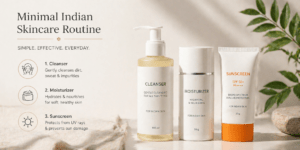
Start with a clean face. Apply moisturizer if needed, then use sunscreen as the final step of your skincare routine.
Use about a coin-sized amount for your face and neck. Spread evenly and allow it to absorb before stepping outside.
In addition, reapply regularly for continuous protection.
8. Expert Tips for Better Results
If you want maximum benefits from sunscreen for oily skin, follow these expert tips:
- Use blotting paper before reapplication
- Choose gel-based formulas in summer
- Avoid layering heavy skincare products
- Pair sunscreen with a simple routine
Moreover, consistency is key. Daily use improves skin texture and reduces long-term damage.
Conclusion
Choosing the right sunscreen for oily skin can completely transform your skincare routine. Instead of causing greasiness, the right product will control oil, prevent acne, and protect your skin from harmful UV rays.
By focusing on lightweight, oil-free, and matte formulations, you can enjoy sun protection without compromising comfort. Make sunscreen a daily habit, and your skin will thank you in the long run.