

Introduction
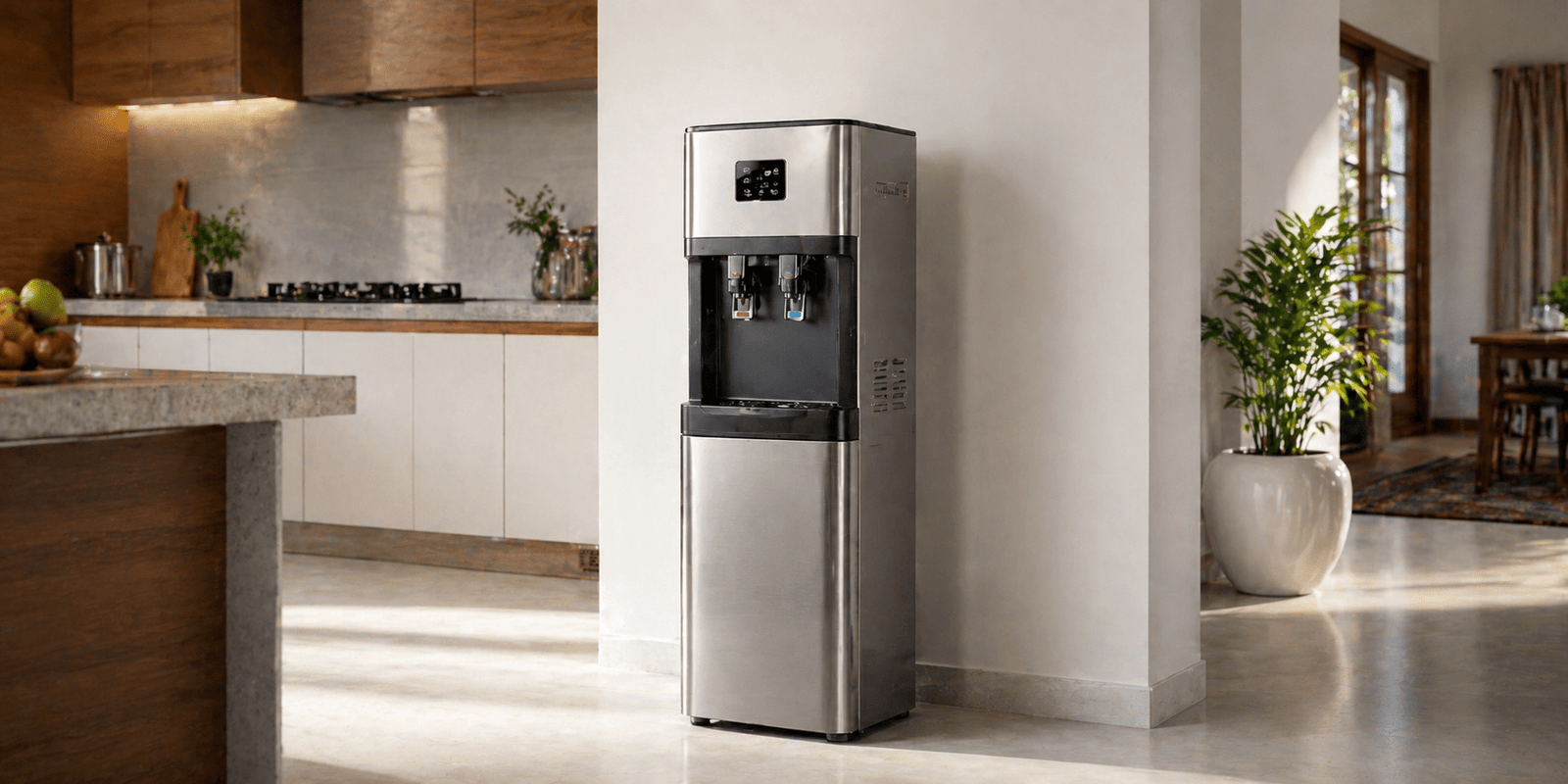
A water cooler is one of the most essential appliances for staying hydrated, especially during hot Indian summers. Whether it’s for your home, office, or commercial space, choosing the right model can make a huge difference in comfort, convenience, and energy efficiency.
Today, water coolers are not just basic cooling machines. They come with advanced features like purification systems, energy-saving modes, and sleek designs. However, with so many options available, making the right choice can feel overwhelming.
This guide will help you understand everything you need to know—from types and features to practical buying tips—so you can confidently invest in the right cooling solution.
Table of Contents
1. What is a Water Cooler and How It Works
2. Types of Water Coolers Available
3. Key Features to Consider Before Buying
4. Water Cooler vs Water Dispenser
5. Energy Efficiency and Cost Considerations
6. Maintenance and Hygiene Tips
7. Final Buying Tips for Smart Selection
1. What is a Water Cooler and How It Works
A water cooler is an appliance designed to chill drinking water quickly and efficiently. It uses refrigeration technology, similar to a refrigerator, to maintain a steady cold temperature.
Inside the system, a compressor circulates refrigerant gas, which absorbs heat from water and cools it down. The cooled water is then stored in a tank, ready for instant use.
This makes it ideal for places where quick access to cold water is important, such as homes, offices, schools, and gyms.
2. Types of Water Coolers Available
Understanding different types helps you choose based on your needs and usage level.
Storage Water Coolers
These models store chilled water in a tank. They are perfect for high usage areas like offices and schools.
Bottled Water Coolers
They use large water bottles placed on top. Easy to install and maintain, these are popular for small offices and homes.
Point-of-Use Coolers
Connected directly to a water supply, these eliminate the need for bottles. Ideal for long-term usage.
Industrial Water Coolers
Designed for heavy-duty environments, they provide large capacity and fast cooling.
3. Key Features to Consider Before Buying
Choosing a water cooler isn’t just about price—it’s about functionality and long-term value.
Cooling Capacity
Look for how many liters per hour the cooler can chill. Higher capacity is better for offices or large families.
Storage Tank Size
A larger tank ensures continuous availability during peak usage.
Build Quality
Stainless steel bodies are durable and hygienic compared to plastic models.
Filtration System
Some coolers include built-in purification, which adds an extra layer of safety.
Ease of Use
Check for user-friendly taps, indicators, and easy cleaning features.
4. Water Cooler vs Water Dispenser
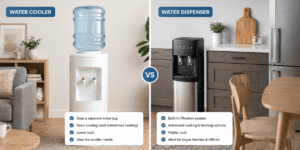
Many people confuse these two appliances, but they serve slightly different purposes.
| Feature | Water Cooler | Water Dispenser |
|---|---|---|
| Cooling Speed | Fast cooling | Moderate cooling |
| Storage Capacity | Larger tanks | Smaller tanks |
| Usage Area | Offices, schools, factories | Homes and small offices |
| Cost | Higher | More affordable |
| Water Supply | Direct or storage-based | Usually bottle-based |
A water cooler is more suitable when you need continuous cold water, while a dispenser works well for occasional use.
5. Energy Efficiency and Cost Considerations
Electricity consumption is an important factor, especially for daily use appliances.
Modern water coolers are designed with energy-saving compressors and insulation systems. These features reduce power usage without compromising cooling performance.
Although the initial cost might be higher, energy-efficient models save money in the long run. Therefore, always check energy ratings and power consumption before purchasing.
Also, consider maintenance costs such as cleaning, servicing, and filter replacement.
6. Maintenance and Hygiene Tips
Proper maintenance ensures clean and safe drinking water.
Regular Cleaning
Clean the tank and taps at least once every two weeks to prevent bacterial growth.
Filter Replacement
If your cooler has a filter, replace it as recommended by the manufacturer.
External Cleaning
Wipe the exterior regularly to maintain hygiene and appearance.
Professional Servicing
Get servicing done every 6–12 months for optimal performance.
Maintaining hygiene not only improves water quality but also increases the lifespan of your appliance.
7. Final Buying Tips for Smart Selection
Before making your final decision, keep these practical tips in mind:
- Assess your daily water consumption
- Choose capacity based on number of users
- Prefer energy-efficient models
- Check warranty and service support
- Compare brands and reviews
A water cooler is a long-term investment. Therefore, focus on quality, durability, and performance instead of just price.