

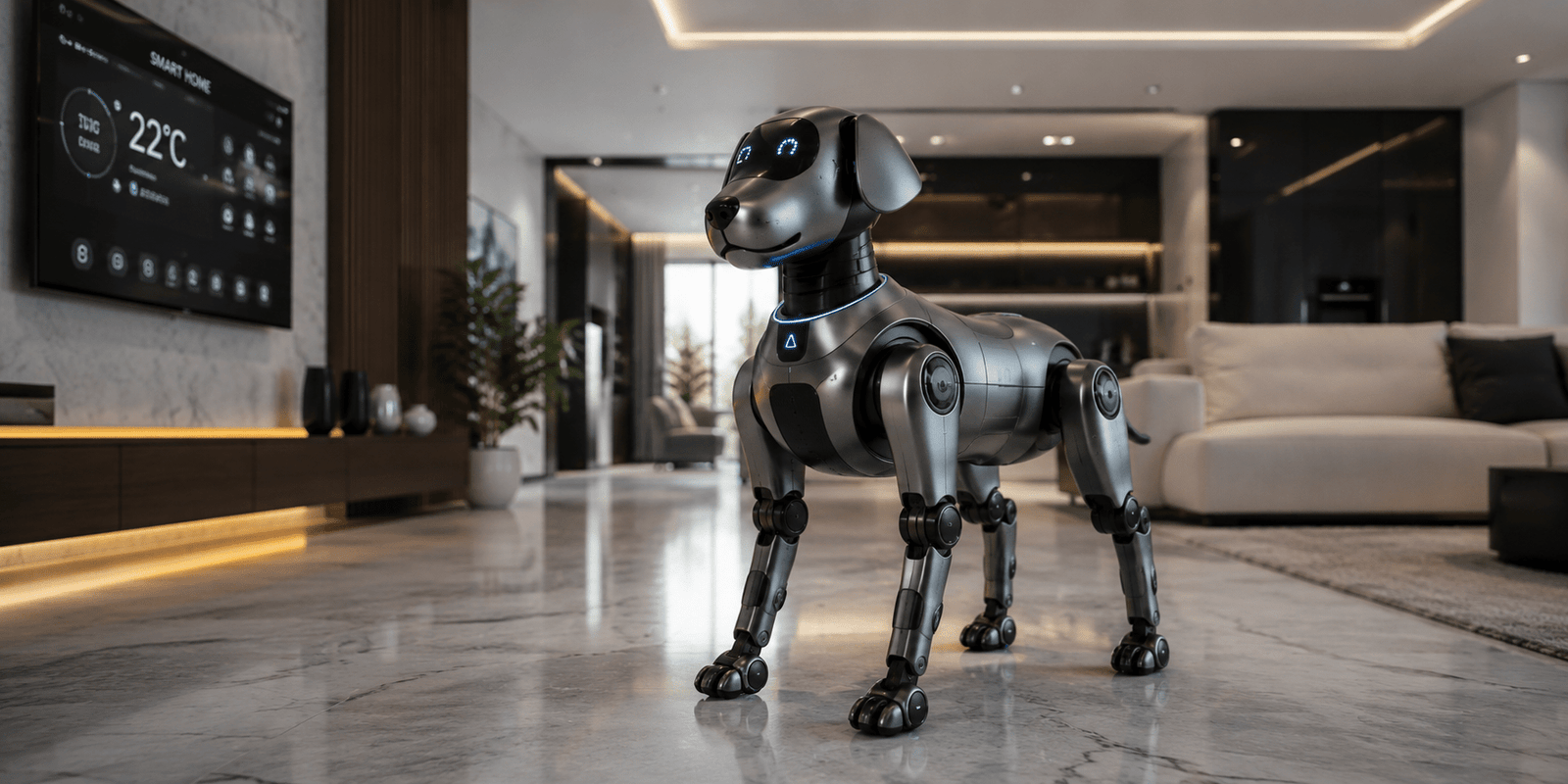
Robot dog technology is rapidly redefining the future of artificial intelligence, smart automation, and modern robotics. From home assistance to military surveillance, robotic dogs are now becoming one of the most advanced innovations in the technology industry.
These AI-powered machines can walk, recognize voices, detect obstacles, monitor environments, and even assist humans in dangerous situations. As robotics continues to evolve, smart robotic dog are becoming more practical, efficient, and accessible for businesses and consumers alike.
What Is a Robot Dog?
A robot dog is an intelligent robotic machine designed to imitate the movement, behavior, and interaction of a real dog. These machines combine artificial intelligence, sensors, cameras, and mobility systems to perform tasks automatically.
Unlike traditional robots that remain fixed in one place, robotic dogs can move independently, climb stairs, avoid obstacles, and interact with people naturally. Some advanced models can even recognize faces and respond to voice commands.
Today, robotic dog systems are used in homes, industries, hospitals, military operations, and educational institutions.
Why Robot Dogs Are Growing in Popularity
Several factors are contributing to the increasing demand for robotic dogs:
- Better AI performance
- Advanced motion technology
- Improved battery systems
- Growing smart home adoption
- Safer automation for risky tasks
As technology becomes more affordable, robotic dog are slowly entering mainstream markets worldwide.

How Robot Dog Technology Works
Modern robotic dog systems rely on multiple advanced technologies working together in real time. These machines process environmental data continuously to make intelligent decisions.
Artificial Intelligence and Machine Learning
Artificial intelligence allows robotic dogs to learn patterns, recognize commands, and improve performance over time. Machine learning algorithms help these robots analyze surroundings and respond intelligently.
Sensors and Cameras
Robotic dog use cameras, infrared sensors, and motion detectors for navigation and obstacle detection. These systems help them move safely in complex environments.
Motion and Balance Control
Advanced robotic motors and balance systems allow smooth walking, running, and climbing movements. Some models can even recover automatically after falling.
Cloud Connectivity
Many AI robotic dog systems connect to cloud-based platforms for software updates, remote monitoring, and enhanced data processing.
The combination of AI and robotics engineering has significantly improved the stability and responsiveness of modern robot dogs.
Key Features of Modern Robot Dogs
Today’s smart robot dogs offer advanced features that make them more useful and interactive than ever before.
Voice Recognition
Users can control robotic dogs using spoken commands. Some systems support multilingual interaction and customized responses.
Facial Recognition
AI-powered cameras identify family members, employees, or authorized users. This feature is especially useful for security purposes.
Autonomous Navigation
Robot dogs can move independently through rooms and complex environments without human control.
Emotional Interaction
Some robotic dogs simulate emotions through eye displays, sound effects, and tail movements to create more engaging interaction.
Smartphone Connectivity
Users can monitor and control robotic dogs remotely through mobile applications.
Real-World Uses of Robot Dogs
Robot dog technology is already being used in many industries and daily life situations.
Home Security and Monitoring
Robotic dogs can patrol homes, detect unusual activity, and integrate with smart home systems for better safety.
Education and Robotics Training
Schools and universities use robot dogs to teach programming, AI development, and robotics engineering concepts.
Industrial Inspections
Factories and warehouses use robotic dogs to inspect hazardous areas that may be unsafe for humans.
Entertainment and Companionship
Many people buy robotic dogs for companionship because they offer interaction without the responsibilities of real pets.
Emergency Response Operations
Robot dogs assist rescue teams during disasters by entering dangerous locations and collecting critical information.
Robot Dog Applications Table
| Industry | Main Purpose | Key Benefit |
|---|---|---|
| Home Security | Property monitoring | Better safety |
| Healthcare | Emotional support | Reduced loneliness |
| Military | Surveillance operations | Lower human risk |
| Education | Robotics learning | Practical training |
| Manufacturing | Industrial inspections | Improved efficiency |
Robotic dog in Security and Defence
Security agencies and defence organizations are increasingly adopting robot dog technology for surveillance and tactical operations.
These robotic systems can patrol restricted areas, detect suspicious activity, and operate in dangerous environments where human safety is at risk.
Benefits in Security Operations
Reduced Human Risk
Robotic dog can enter hazardous areas before human teams arrive, reducing operational dangers.
Continuous Surveillance
Unlike humans, robotic systems can monitor environments continuously without fatigue.
Better Night Monitoring
Thermal cameras and AI sensors improve visibility during night-time operations.
Fast Emergency Deployment
Robotic dog can respond quickly during disasters, industrial accidents, or security threats.
Several technology companies are also developing military-grade robotic dogs equipped with advanced communication and navigation systems.
Healthcare and Emotional Support Benefits
Healthcare organizations are exploring robotic dog technology for patient support and emotional well-being.
Many elderly individuals experience loneliness, especially when living independently. Robotic dogs can provide interaction, reminders, and companionship without requiring physical care.
Emotional Comfort
Patients often respond positively to robotic companions because they create a sense of interaction and engagement.
Therapy Assistance
Some therapy programs use robot dogs for children with developmental challenges and social anxiety.
Elderly Care Support
Robot dogs can remind users about medications, appointments, and daily activities.
Safe Healthcare Interaction
Unlike live animals, robotic dogs eliminate allergy and infection concerns in hospitals and care centers.
As AI systems continue improving, healthcare robotics may become even more personalized in the future.
Popular Types of Robot Dogs
Different robot dog models are designed for different applications and industries.
Consumer Robot Dogs
These models focus on home interaction, entertainment, and smart assistance.
Industrial Robot Dogs
Industrial robotic dogs are designed for inspections, automation, and harsh environments.
Military Robot Dogs
Defense-focused models prioritize surveillance, terrain navigation, and tactical operations.
Research and Educational Models
Research labs and universities use customizable robotic dogs for AI testing and engineering experiments.
Choosing the right robotic dog depends on the user’s budget, goals, and feature requirements.
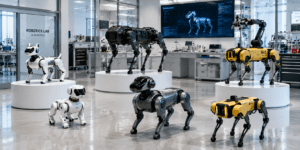
Future of Robot Dog Technology
The future of robot dogs innovation looks extremely promising as artificial intelligence and robotics continue advancing rapidly.
Experts believe future robotic dogs may include:
- Advanced conversational AI
- Better emotional intelligence
- Faster autonomous movement
- Improved battery efficiency
- Enhanced security integration
- Wider healthcare adoption
In the coming years, robot dogs could become common in homes, hospitals, industries, and smart cities worldwide.
Conclusion
Robot dog technology is transforming the future of smart automation, artificial intelligence, and robotics innovation. These intelligent machines are already helping industries improve security, healthcare, inspections, and daily convenience.
As technology evolves further, the robotic dog will become even smarter, more interactive, and more valuable in real-world applications. From companionship to industrial automation, robotic dogs are shaping the next generation of intelligent technology.