

Introduction
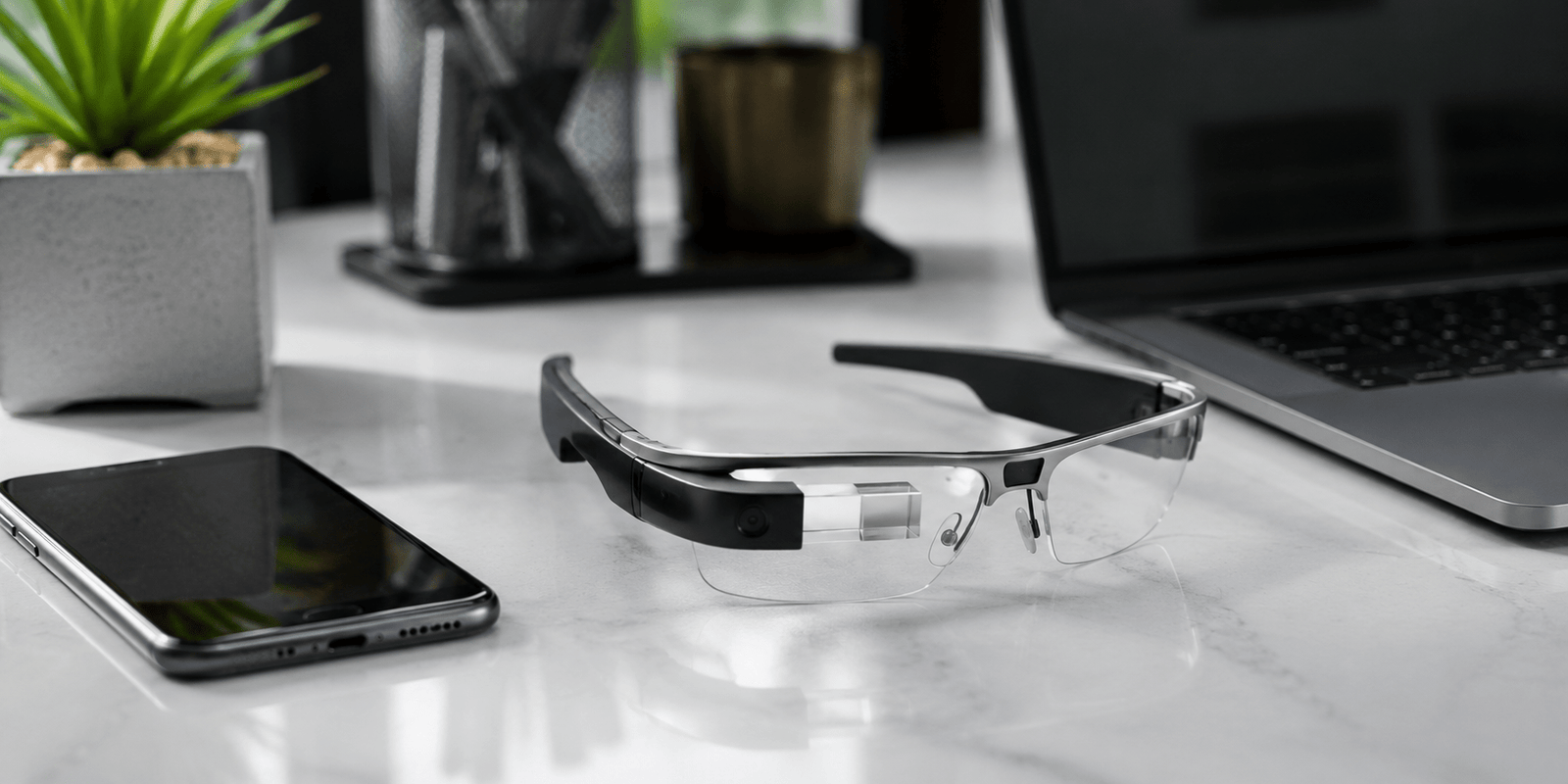
Google glasses are once again becoming one of the most discussed innovations in wearable technology. From augmented reality experiences to hands-free communication, these smart glasses are shaping the future of how people interact with digital content in everyday life.
Over the past decade, wearable devices have evolved rapidly. Smartphones became smarter, watches became fitness assistants, and now smart eyewear is entering the mainstream conversation again. Google’s vision for intelligent glasses is not just about style. It is about blending the digital and physical worlds naturally.
Today, businesses, students, travelers, healthcare workers, and tech enthusiasts are exploring how this technology can improve productivity and convenience. In this guide, we will explore the biggest features, benefits, challenges, and future possibilities of google glasses.
What Are Google Glasses?
Google glasses are wearable smart devices designed to display digital information directly in front of the user’s eyes. Unlike traditional glasses, these devices combine augmented reality, voice commands, AI tools, cameras, and internet connectivity into a lightweight frame.
The original version introduced years ago attracted global attention because it offered a futuristic experience. Users could take photos, access maps, send messages, and receive notifications without holding a phone.
Modern smart glasses are far more advanced. They now focus on better battery life, improved design, AI-powered assistance, and practical business applications.
Why Smart Glasses Matter
Smart glasses are important because they reduce the need to constantly check mobile devices. Instead of looking down at screens, users can receive real-time information naturally within their field of vision.
This technology is especially useful for multitasking environments like healthcare, manufacturing, logistics, and remote support services.
How Google Glasses Work
Google glasses operate using a combination of advanced hardware and intelligent software systems. These devices typically include micro displays, speakers, cameras, sensors, microphones, and wireless connectivity.
The glasses project information onto a small transparent display positioned near the eye. Voice commands or touch controls allow users to interact with the system without needing traditional keyboards or touchscreens.
Core Technologies Behind Smart Glasses
Augmented Reality Integration
AR technology overlays digital information onto the real world. For example, users can view navigation directions while walking or receive instant translations while traveling.
Artificial Intelligence Support
AI plays a major role in making smart glasses useful. Voice assistants can answer questions, schedule reminders, or provide real-time recommendations.
Cloud Connectivity
Many smart glasses rely on cloud systems for data processing, storage, and live communication. This helps devices remain lightweight while still offering powerful capabilities.
Key Features of Google Glasses
Modern google glasses include several advanced features that make them more practical than earlier versions.
| Feature | Purpose | Real-World Benefit |
|---|---|---|
| Voice Commands | Hands-free control | Faster interaction |
| AR Display | Digital overlays | Better navigation |
| Built-in Camera | Photos and video | Easy documentation |
| AI Assistance | Smart recommendations | Increased productivity |
| Live Translation | Language support | Better travel experience |
These features are improving every year as AI and wearable technology continue to advance.
Hands-Free Productivity
One of the strongest advantages is hands-free operation. Professionals working in warehouses, hospitals, or field services can access instructions without interrupting their tasks.
Real-Time Navigation
Navigation becomes more convenient because directions appear directly in front of users instead of forcing them to check smartphones repeatedly.
Smart Notifications
Users can receive calls, emails, calendar reminders, and messages instantly while remaining focused on their surroundings.

Benefits of Smart Glasses in Daily Life
Smart glasses are no longer limited to technology enthusiasts. They are becoming useful tools for everyday situations.
Better Travel Experiences
Travelers can benefit from instant translations, live navigation, and location-based information. This reduces confusion in unfamiliar places.
Improved Learning and Education
Students can access visual learning tools, live instructions, and educational content more interactively. AR-based learning often improves engagement and understanding.
Enhanced Accessibility
For people with disabilities, smart glasses may offer visual guidance, object recognition, or audio assistance. This creates more independence and convenience.
Fitness and Outdoor Activities
Athletes and fitness enthusiasts can use wearable displays for workout tracking, route guidance, and performance monitoring without carrying additional devices.
Faster Communication
Since notifications appear instantly, users can stay connected while continuing their activities without major distractions.
Industries Using Google Glasses
Several industries are already adopting wearable technology to improve efficiency and reduce operational errors.
Healthcare Sector
Doctors and surgeons can access patient information during procedures without looking away from their work. Remote specialists can also provide live assistance.
Manufacturing and Logistics
Workers receive step-by-step instructions directly through smart displays. This reduces training time and improves workflow accuracy.
Retail and Customer Service
Retail employees can instantly check inventory or customer information while assisting shoppers.
Education and Training
AR-based training simulations allow students and employees to learn complex tasks in safer virtual environments.
Remote Technical Support
Technicians working in the field can stream live video to experts who guide them through repairs in real time.

Challenges and Privacy Concerns
Despite the advantages, google glasses also raise important concerns that companies and consumers must address carefully.
Privacy Issues
Built-in cameras can create privacy concerns in public places. Many people worry about unauthorized recording or facial recognition tracking.
Battery Limitations
Advanced features like AR displays and live processing consume significant battery power. Improving battery efficiency remains a key challenge.
High Costs
Premium smart glasses are still expensive for average consumers. However, prices may decrease as technology becomes more common.
Social Acceptance
Some users feel uncomfortable wearing visible smart devices in public. Design improvements are helping smart glasses look more stylish and less intrusive.
Data Security Risks
Since wearable devices process personal information, strong cybersecurity measures are essential to protect user data.
Future of Google Glasses Technology
The future of wearable technology looks promising. Experts believe smart glasses could eventually replace many smartphone functions.
AI-Powered Everyday Assistance
Future devices may provide proactive recommendations based on user habits, schedules, and environments. AI could make interactions feel more natural and personalized.
Integration With Smart Cities
Smart glasses could connect with transportation systems, public services, and digital infrastructure to deliver real-time information seamlessly.
Lightweight and Stylish Designs
Manufacturers are working to make smart glasses smaller, lighter, and more fashionable. Future models may look almost identical to traditional eyewear.
Better Mixed Reality Experiences
As AR and virtual reality improve, users may experience immersive mixed reality environments for work, entertainment, and education.
Expanding Consumer Adoption
As costs decrease and functionality improves, more consumers may begin using wearable eyewear daily.

Final Thoughts on Google Glasses
Google glasses represent a major step toward a more connected and intelligent digital future. These wearable devices combine augmented reality, AI, communication, and productivity into a compact everyday accessory.
Although challenges like privacy concerns and pricing still exist, the technology continues to improve rapidly. Businesses are already benefiting from hands-free workflows, while consumers are exploring new ways to interact with information more naturally.
As wearable innovation grows, smart eyewear could become as common as smartphones are today. For anyone interested in future technology, google glasses remain one of the most exciting developments to watch in the coming years.