


Amarnath yatra is one of India’s most sacred pilgrimages, attracting thousands of devotees every year to the holy Amarnath Cave in Jammu and Kashmir. Nestled in the Himalayas, this spiritual journey combines devotion, adventure, and breathtaking natural beauty.
The shrine is famous for the naturally formed ice Shivling, which is considered a divine manifestation of Lord Shiva. Whether you are a first-time visitor or a returning pilgrim, proper planning can make your journey safer, smoother, and more memorable.
What Is Amarnath Yatra?
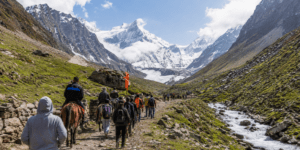
Amarnath Yatra is an annual pilgrimage to the sacred Amarnath Cave located at an altitude of approximately 3,888 meters. According to Hindu beliefs, Lord Shiva revealed the secret of immortality to Goddess Parvati inside this cave.
Every year, devotees travel through challenging mountain routes to seek blessings and witness the naturally formed ice Shivling. The journey is not only a religious experience but also an opportunity to explore the stunning landscapes of the Himalayas.
Why Is Amarnath Cave Important?
The spiritual significance of the Amarnath Cave makes it one of the most respected pilgrimage destinations in India. Devotees believe that visiting the shrine brings spiritual growth and divine blessings.
The cave remains covered in snow for much of the year. During the pilgrimage season, thousands of worshippers gather to offer prayers and experience the unique spiritual atmosphere.
In addition, the journey itself symbolizes faith, determination, and devotion. Many pilgrims consider the trek an important part of their spiritual practice.
Registration Process for Pilgrims
Registration is mandatory for every pilgrim participating in the Amarnath Yatra. Authorities issue permits to ensure proper crowd management and safety.
Documents Required
- Valid identity proof
- Recent passport-size photograph
- Medical fitness certificate
- Registration form
Registration Steps
- Complete the official registration process.
- Obtain a medical fitness certificate.
- Select your preferred route.
- Receive your travel permit.
- Carry all documents during the journey.
Pilgrims should complete registration well in advance because available slots often fill quickly during peak travel periods.
Main Routes for Amarnath Yatra
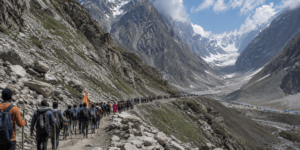
There are two primary routes available for pilgrims.
| Route | Starting Point | Approximate Distance | Difficulty Level |
|---|---|---|---|
| Pahalgam Route | Pahalgam | 36-48 km | Moderate |
| Baltal Route | Baltal | 14-16 km | Challenging |
Pahalgam Route
The Pahalgam route is longer but more gradual. It is preferred by pilgrims who want a comfortable trekking experience.
This route passes through beautiful locations such as Chandanwari, Sheshnag, and Panchtarni. Many travelers enjoy the scenic beauty and camping opportunities along the way.
Baltal Route
The Baltal route is shorter and allows pilgrims to complete the journey more quickly. However, the trek is steeper and physically demanding.
Pilgrims with good fitness levels often choose this route to save time while still experiencing the spiritual significance of the pilgrimage.
Travel Planning and Essential Tips
Proper planning plays a vital role in ensuring a successful pilgrimage.
Choose the Right Time
The pilgrimage operates during a limited period each year. Check official schedules before finalizing travel arrangements.
Pack Smart
Essential items include:
- Warm clothing
- Waterproof jacket
- Comfortable trekking shoes
- Medicines
- Water bottle
- Energy snacks
- Torch
Maintain Physical Fitness
Since the pilgrimage involves trekking at high altitudes, regular walking and light exercise before departure can improve endurance and reduce fatigue.
Stay Hydrated
High-altitude travel may lead to dehydration. Drinking sufficient water throughout the journey is highly recommended.
Accommodation and Facilities
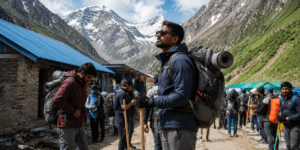
Several accommodation options are available for pilgrims during the Amarnath Yatra.
Accommodation Types
- Tent camps
- Guest houses
- Lodges
- Government-arranged shelters
Most major stops along the route offer temporary accommodations during the pilgrimage season.
Food Facilities
Community kitchens and food stalls serve meals to pilgrims throughout the journey. Many organizations also provide free food services as part of their religious activities.
Medical Services
Medical camps are strategically located along both routes. Healthcare professionals remain available to assist pilgrims experiencing altitude-related issues or other health concerns.
Safety Guidelines During the Journey
Safety should remain a top priority during the pilgrimage.
Follow Official Instructions
Pilgrims should always follow directions issued by local authorities and security personnel.
Monitor Weather Conditions
Mountain weather can change rapidly. Therefore, travelers should stay informed about weather forecasts and route updates.
Avoid Overexertion
Take regular breaks and avoid pushing beyond your physical limits.
Travel in Groups
Group travel improves safety and allows quicker assistance during emergencies.
Respect the Environment
Pilgrims should avoid littering and help preserve the natural beauty of the Himalayan region.
Darshan Experience and Conclusion
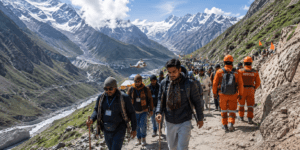
Reaching the sacred cave is an emotional and spiritual moment for many devotees. After days of preparation and trekking, pilgrims finally witness the revered ice Shivling inside the Amarnath Cave.
The peaceful environment, devotional chants, and majestic Himalayan surroundings create an unforgettable experience. For many travelers, the journey becomes a source of inspiration and spiritual fulfillment.
Amarnath Yatra is much more than a pilgrimage. It is a remarkable blend of faith, adventure, and natural beauty. With proper planning, registration, physical preparation, and awareness of safety guidelines, pilgrims can enjoy a rewarding and memorable spiritual journey.