

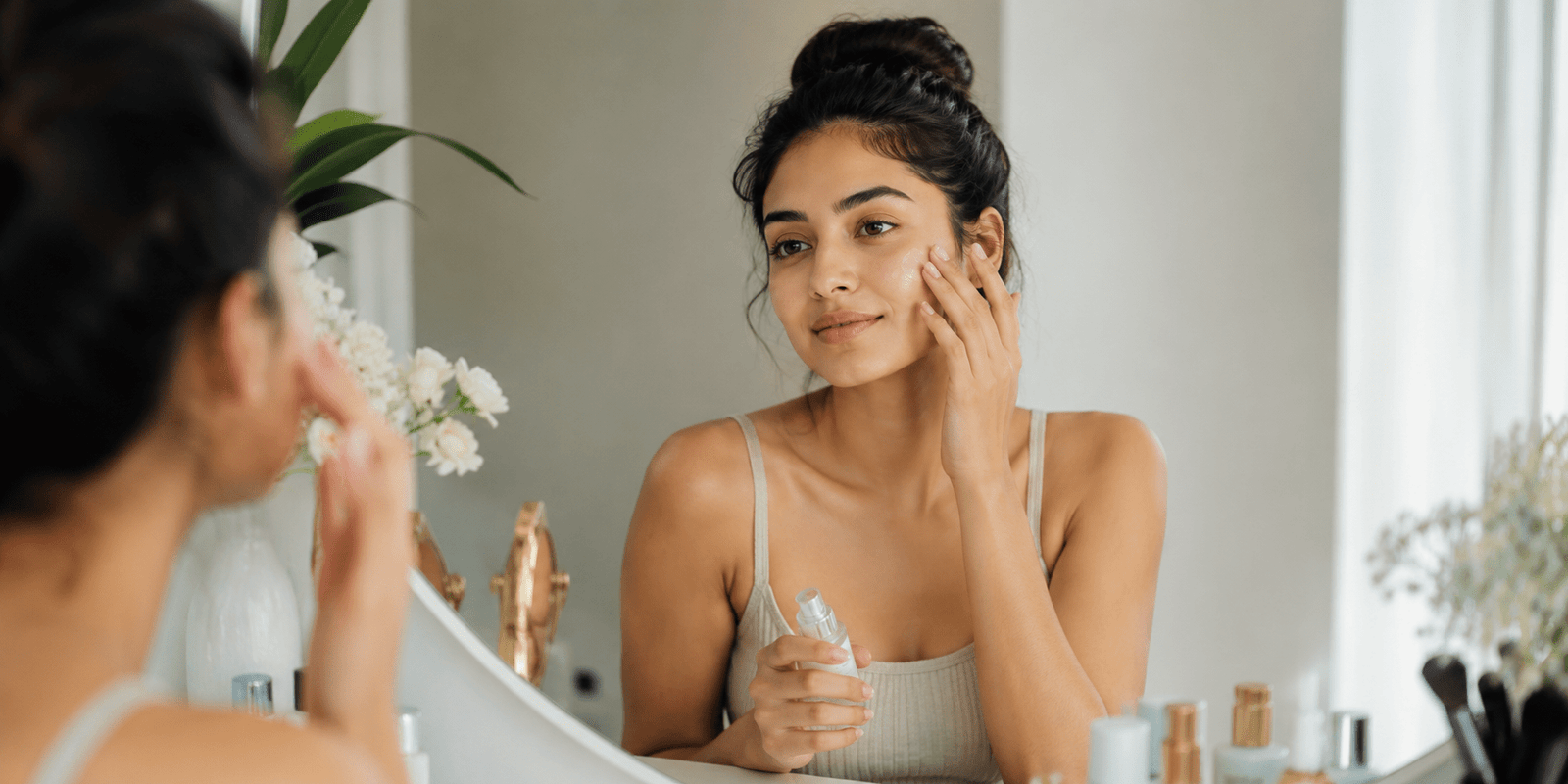
Primer make up is the secret step that many beauty professionals never skip. While foundation, concealer, and powder often get most of the attention, primer plays a major role in creating a smooth and flawless makeup base.
A quality primer helps minimize the appearance of pores, smooth uneven skin texture, control excess oil, and improve the longevity of your makeup. Whether you’re getting ready for work, a special event, or an everyday look, using primer correctly can make a noticeable difference.
If you’ve ever wondered why your foundation looks patchy or fades quickly, the issue might be your primer application. In this guide, you’ll learn three simple yet effective tips that can help you achieve smoother-looking skin and better makeup results.
Why Primer Make Up Is Important
Many people think primer is an optional product, but it actually serves as the foundation of a successful makeup routine. It creates a barrier between your skin and makeup while improving how cosmetic products sit on your face.
Some primers focus on hydration, while others help reduce shine or blur pores. The right formula can instantly improve the overall appearance of your makeup.
Benefits of using primer include:
- Creates a smoother makeup base
- Helps makeup stay fresh longer
- Minimizes visible pores
- Controls excess oil
- Improves foundation application
- Reduces uneven skin texture
When used correctly, primer can make your makeup look more professional and polished throughout the day.
Tip 1: Choose the Right Primer for Your Skin Type
Not every primer works for every skin type. Selecting the right formula is one of the most important steps in achieving smooth skin.
For Oily Skin
People with oily skin should look for mattifying primers. These products help control shine and prevent makeup from breaking down throughout the day.
For Dry Skin
Hydrating primers contain moisturizing ingredients that help keep the skin soft and comfortable. They also prevent foundation from clinging to dry patches.
For Combination Skin
Combination skin often requires balance. Lightweight primers that hydrate without feeling greasy usually work best.
For Sensitive Skin
If your skin is sensitive, choose fragrance-free and dermatologist-tested primers to minimize irritation.
Using a primer designed specifically for your skin’s needs can dramatically improve your final makeup look.
Tip 2: Apply the Right Amount of Primer
A common misconception is that applying more primer leads to better results. In reality, using too much product can make makeup appear heavy and uneven.
For most people, a pea-sized amount is enough for the entire face.
How to Apply Primer Correctly
- Start with clean skin.
- Apply your moisturizer.
- Allow the moisturizer to absorb.
- Take a small amount of primer.
- Gently spread it across the forehead, cheeks, nose, and chin.
- Blend evenly using your fingertips or a makeup sponge.
Applying the correct amount ensures that your skin remains comfortable while still receiving all the benefits of the product.
Primer Application Guide
| Skin Concern | Recommended Primer Type | Main Benefit |
|---|---|---|
| Oily Skin | Mattifying Primer | Controls shine |
| Dry Skin | Hydrating Primer | Adds moisture |
| Large Pores | Pore-Blurring Primer | Smooth appearance |
| Dull Skin | Illuminating Primer | Adds radiance |
| Sensitive Skin | Gentle Formula Primer | Reduces irritation |
Tip 3: Let Primer Set Before Applying Foundation
One of the easiest ways to improve makeup performance is to allow primer enough time to set on the skin.
Many people apply foundation immediately after primer, which can reduce its effectiveness. Instead, wait for one to three minutes before moving to the next step.
This short waiting period allows the primer to form a smooth surface for foundation application.
Why This Step Matters
Better Makeup Adhesion
Foundation grips the skin more effectively when primer has settled properly.
Smoother Finish
Allowing primer to set helps reduce streaks and patchiness.
Longer Wear Time
Your makeup is more likely to stay intact throughout the day.
Improved Overall Appearance
The final makeup look often appears more natural and refined.
Even a small change in your routine can significantly improve results.
Common Primer Mistakes to Avoid
Even the best products may not deliver great results if they are used incorrectly.
Skipping Moisturizer
Primer is designed to prepare the skin for makeup, not replace skincare. Always moisturize first.
Choosing the Wrong Formula
A hydrating primer may not work well for extremely oily skin, while a mattifying primer might feel uncomfortable on very dry skin.
Applying Too Much Product
Excess primer make up can cause foundation to slide or separate.
Not Allowing Time to Set
Rushing directly to foundation can reduce the effectiveness of your primer.
Using Old Products
Expired beauty products may not perform properly and can irritate the skin.

Primer vs. Moisturizer: Understanding the Difference
Many beginners confuse primer and moisturizer because both are applied before makeup.
However, they serve different purposes.
A moisturizer hydrates and nourishes the skin. It helps maintain skin health and prevents dryness.
A primer, on the other hand, prepares the skin for makeup application. It smooths texture, minimizes pores, and improves makeup longevity.
For the best results, use both products in your routine. Apply moisturizer first, allow it to absorb completely, and then follow with primer.
Final Thoughts on Primer Make Up
Primer make up may seem like a small step, but it can have a big impact on your overall makeup results. A well-chosen primer helps create a smoother surface, improves makeup longevity, and enhances the appearance of foundation.
By choosing the right primer for your skin type, applying the correct amount, and allowing it to set before foundation, you can achieve a more polished and professional finish.
Whether you’re a beginner or someone looking to improve your beauty routine, these three easy tips can help you get the most out of your primer and enjoy smoother-looking skin every day.