

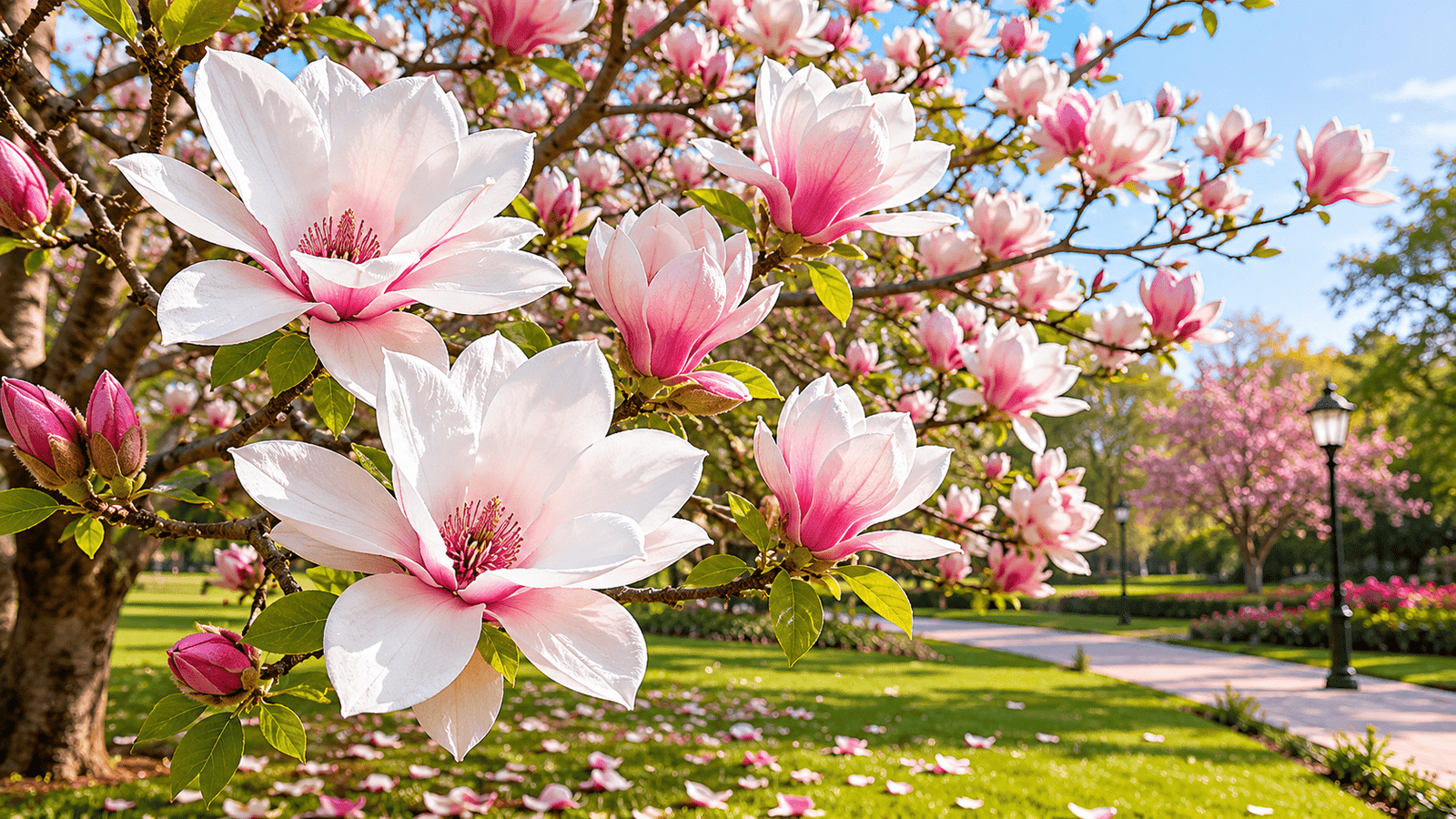
Magnolia flower is one of the most elegant and admired flowers in the world. Known for its large petals, soft fragrance, and timeless beauty, this flower has been cherished for centuries across different cultures and regions.
From ornamental gardens to luxury landscape designs, magnolias add a sense of sophistication wherever they bloom. Beyond their beauty, these flowers carry deep symbolism and fascinating history that make them even more special. In this article, you will discover four beautiful facts about magnolia flowers, their meaning, varieties, and tips for growing them successfully.
What Is a Magnolia Flower?
The magnolia flower comes from the Magnolia genus, which includes more than 200 species of flowering trees and shrubs. These plants are native to parts of Asia, North America, and Central America.
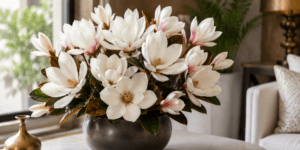
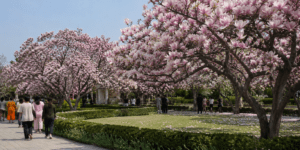
Magnolia blooms are famous for their large size and attractive colors. Depending on the species, flowers can appear in white, pink, purple, yellow, or cream shades. Many varieties bloom during spring, creating breathtaking landscapes filled with color and fragrance.
The plant itself is valued not only for its flowers but also for its glossy green leaves and graceful structure, making it a favorite among landscape designers.
A Flower With Ancient Origins
Magnolias are considered one of the oldest flowering plants on Earth. Scientists believe they existed long before bees appeared, relying on beetles for pollination. This unique history adds to the flower’s fascination and importance in the botanical world.
The Meaning and Symbolism of Magnolia Flower
The magnolia flower has carried symbolic meaning for generations. Different cultures associate it with qualities that reflect its graceful appearance and resilience.
Some of the most common meanings include:
- Purity and innocence
- Dignity and nobility
- Strength and perseverance
- Beauty and elegance
- Longevity and endurance
In many traditions, magnolia flowers are given as gifts to express admiration and respect. Their sophisticated appearance makes them suitable for celebrations, weddings, and special occasions.
Four Beautiful Facts About Magnolia Flower
Here are four fascinating facts that make magnolias stand out among flowering plants.
1. Magnolia Flowers Are Millions of Years Old
Magnolias have an ancient lineage dating back millions of years. Their survival through changing climates demonstrates remarkable adaptability and resilience.
2. They Come in Many Stunning Colors
Although white magnolias are the most recognized, modern varieties also bloom in pink, purple, yellow, and cream shades. These colors allow gardeners to choose a style that matches their landscape.
3. Many Varieties Produce Pleasant Fragrance
Several magnolia species release a sweet fragrance that attracts pollinators and enhances the atmosphere of gardens and outdoor spaces.
4. They Symbolize Lasting Beauty
Unlike flowers that represent temporary beauty, magnolias are often associated with enduring elegance and inner strength, making them meaningful ornamental plants.
Popular Types of Magnolia Flowers
Different species offer unique characteristics and visual appeal.
| Magnolia Variety | Flower Color | Key Feature |
|---|---|---|
| Southern Magnolia | White | Large fragrant blooms |
| Star Magnolia | White | Star-shaped petals |
| Saucer Magnolia | Pink & White | Early spring flowering |
| Yellow Magnolia | Yellow | Rare and attractive color |
| Lily Magnolia | Purple-Pink | Compact ornamental tree |
These varieties are commonly used in residential gardens, parks, and landscape projects around the world.
How to Grow and Care for Magnolia Flower
Growing magnolia flowers can be rewarding when proper care is provided.
Choose the Right Location
Magnolias thrive in areas with plenty of sunlight. A location receiving at least six hours of sunlight daily is ideal.
Use Well-Drained Soil
These plants prefer fertile, moist, and well-drained soil. Avoid locations where water tends to accumulate.
Water Consistently
Young trees need regular watering to establish strong roots. Mature plants generally become more drought tolerant.
Apply Mulch
Mulching helps retain moisture, regulate soil temperature, and reduce weed growth around the plant.
Prune Carefully
Only remove damaged or dead branches when necessary. Excessive pruning may reduce flowering performance.
Magnolia Flower Uses and Benefits
Magnolia flowers provide more than visual beauty. They offer several practical and aesthetic benefits.
Landscape designers frequently use magnolia trees as focal points because of their striking blooms and attractive foliage.
The flowers are also popular in decorative arrangements due to their elegant appearance. In some traditional practices, parts of certain magnolia species have been used for herbal purposes.
Moreover, magnolia trees contribute to biodiversity by providing habitat and food sources for pollinators and wildlife.
Why Magnolia Flowers Remain Popular Today
Despite the availability of countless ornamental plants, magnolias continue to hold a special place among gardeners and flower enthusiasts.
Their large blooms create a dramatic visual impact, while their symbolism adds emotional value. Additionally, the variety of species available allows homeowners and landscapers to select plants suitable for different climates and garden sizes.
Because of their timeless appeal, magnolia flowers remain a preferred choice for both traditional and modern garden designs.
Conclusion
The magnolia flower is much more than a beautiful bloom. Its ancient history, meaningful symbolism, stunning varieties, and elegant appearance make it one of the most treasured flowering plants in the world.
Whether you want to enhance your garden, learn about flower symbolism, or simply appreciate nature’s beauty, magnolias offer something truly special. Their graceful blossoms continue to inspire gardeners and flower lovers across generations, proving why they remain a timeless favorite.