


Dandruff shampoo plays an important role in maintaining a clean, healthy, and comfortable scalp. Dandruff affects people of all ages and can lead to itching, irritation, visible flakes, and reduced confidence. While occasional flakes are common, persistent dandruff often requires a dedicated hair care routine and the right cleansing products.
Using the correct shampoo can help control excess oil, remove buildup, reduce fungal growth, and soothe scalp irritation. However, not every product works the same way. Understanding how dandruff develops and selecting the right formula can make a significant difference in long-term scalp health.
What Is Dandruff and Why Does It Occur?
Dandruff is a common scalp condition characterized by white or yellowish flakes that shed from the scalp. It often develops when the scalp becomes too oily, too dry, or experiences an overgrowth of naturally occurring yeast.
Several factors can contribute to dandruff, including stress, hormonal changes, product buildup, weather conditions, and poor scalp hygiene. In some cases, sensitivity to hair care products may also trigger flaking and irritation.
Managing dandruff successfully starts with identifying the underlying cause and following a consistent scalp care routine.

Why Choosing the Right Dandruff Shampoo Matters
A quality dandruff shampoo does more than remove visible flakes. It targets the root causes of dandruff and helps restore scalp balance. Regular use can reduce itching, inflammation, and excess oil production while supporting healthier hair growth conditions.
Many people switch products too frequently or choose shampoos based only on advertising claims. Instead, focus on ingredients and scalp needs. Someone with an oily scalp may need a different formulation than someone experiencing dryness and sensitivity.
Consistency is equally important. Most anti-dandruff products require several weeks of regular use before noticeable improvements appear.

Key Ingredients to Look For
Different active ingredients serve different purposes. Understanding them can help you choose a product that matches your scalp concerns.
Zinc Pyrithione
This ingredient helps reduce the growth of microorganisms associated with dandruff. It is commonly found in everyday anti-dandruff formulations.
Ketoconazole
Ketoconazole is often used in medicated products. It helps control fungal activity and is commonly recommended for persistent dandruff issues.
Salicylic Acid
Salicylic acid helps loosen and remove dead skin cells from the scalp. It can be useful for people dealing with thick flakes and buildup.
Selenium Sulfide
This ingredient helps slow skin cell turnover and can reduce scalp flaking when used correctly.
Tea Tree Oil
A popular natural ingredient, tea tree oil may help soothe irritation while supporting overall scalp cleanliness.
How Often Should You Use a Dandruff Shampoo?
The ideal frequency depends on your scalp condition and the product being used. Some people benefit from using anti-dandruff formulas two to three times per week, while others may require more frequent application during active flare-ups.
If you use a medicated product, follow label directions or professional guidance. Over washing can sometimes increase dryness, while under washing may allow oil and flakes to accumulate.
A balanced approach is usually the most effective. Monitor how your scalp responds and adjust your routine accordingly.

Comparing Common Anti-Dandruff Ingredients
| Ingredient | Primary Benefit | Best For |
|---|---|---|
| Zinc Pyrithione | Controls dandruff-causing microbes | Mild to moderate dandruff |
| Ketoconazole | Helps manage persistent dandruff | Severe scalp flaking |
| Salicylic Acid | Removes scalp buildup | Thick flakes |
| Selenium Sulfide | Reduces scalp shedding | Oily scalp conditions |
| Tea Tree Oil | Soothes irritation naturally | Sensitive scalp users |
Daily Habits That Support Scalp Health
A good shampoo works best when combined with healthy habits. Small daily changes can significantly improve scalp condition over time.
Maintain Regular Hair Washing
Regular cleansing prevents excess oil, dirt, and product residue from accumulating on the scalp.
Manage Stress Levels
Stress can worsen many skin and scalp conditions. Exercise, proper sleep, and relaxation techniques can support overall scalp wellness.
Eat a Balanced Diet
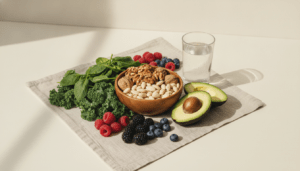
Nutrients such as zinc, protein, biotin, and omega-3 fatty acids contribute to healthy hair and scalp function.
Avoid Excessive Styling Products
Heavy gels, sprays, and creams may build up on the scalp and contribute to irritation in some individuals.

Common Mistakes to Avoid
Many people unknowingly make mistakes that slow their progress.
One common mistake is stopping treatment immediately after symptoms improve. Continuing maintenance use can help prevent recurrence.
Another mistake is scratching the scalp aggressively. This can increase irritation and damage the skin barrier.
Using extremely hot water may also worsen dryness and discomfort. Lukewarm water is generally a better option for scalp care.
Finally, avoid expecting overnight results. Consistent use over several weeks is often necessary before significant improvement becomes visible.
Conclusion
A well-chosen dandruff shampoo can make a noticeable difference in scalp comfort, cleanliness, and overall hair health. By selecting suitable ingredients, following a consistent routine, and maintaining healthy daily habits, you can effectively manage flakes and irritation. Long-term scalp care is not just about treating symptoms—it is about creating a healthy environment that supports stronger, healthier hair over time.