

Electric Cars: Complete Guide for Beginners
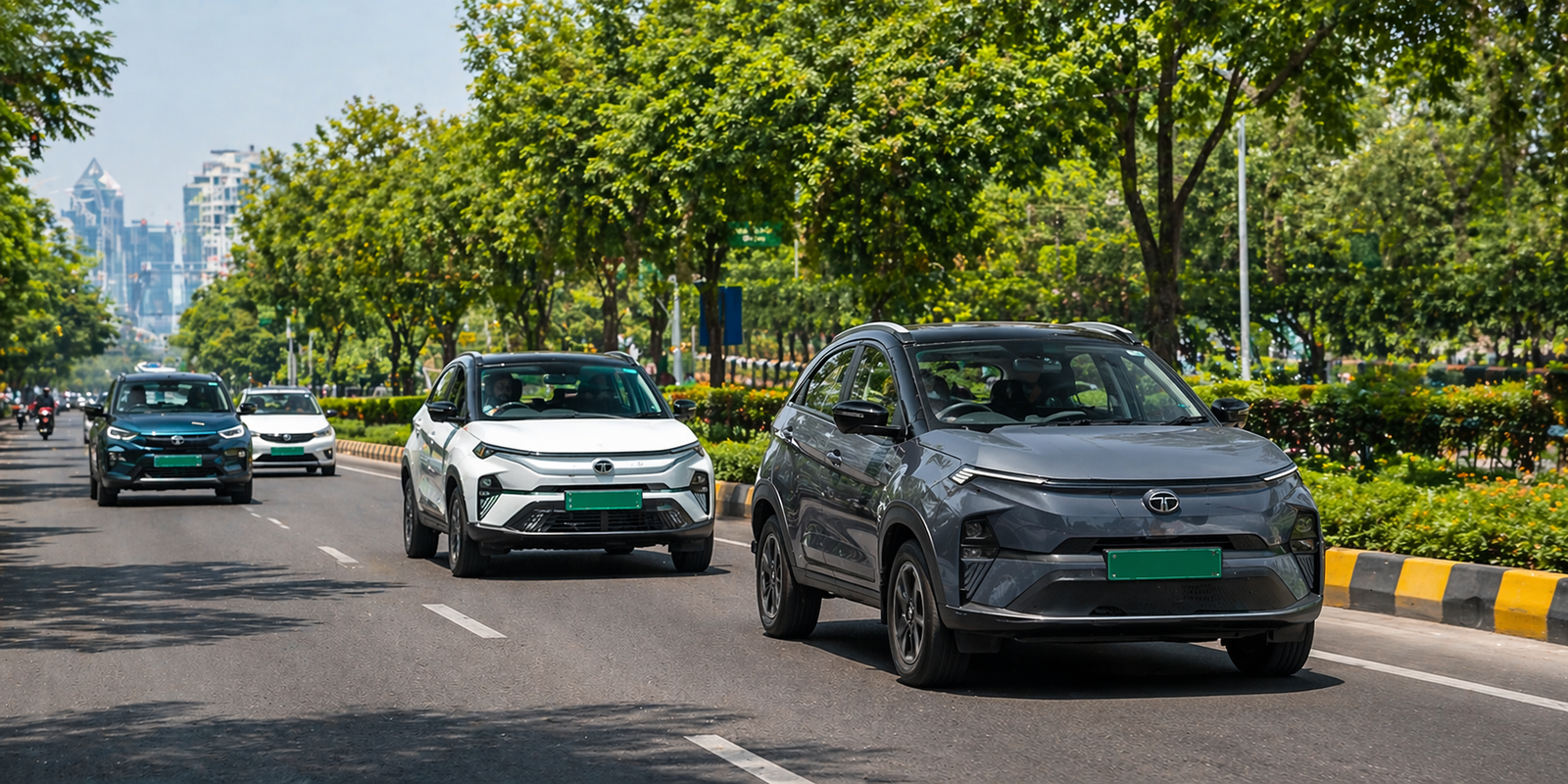
Electric cars are transforming how we think about transportation in India and globally. With rising fuel prices and environmental concerns, cars are becoming a practical and smart choice for everyday users.
In this guide, you will understand how cars work, their benefits, costs, and whether they are worth buying in 2026.
Table of Contents
- What Are Electric Cars ?
- How Work These Cars ?
- Benefits of Electric Cars
- Cost Comparison: EV vs Petrol Cars
- Charging Infrastructure in India
- Challenges of EV Cars
- Future of EV Cars in India
- Conclusion
What Are Electric Cars ?
These cars are vehicles that run on electricity instead of petrol or diesel. They use a battery pack and electric motor to move, making them cleaner and quieter than traditional vehicles.
Unlike fuel-based cars, electric cars do not emit harmful gases. This makes them an eco-friendly option for cities facing pollution issues.
How Work These EV Cars ?
EV Cars operate using a simple yet efficient mechanism. They store energy in rechargeable batteries, which power the electric motor.
Here’s how the process works:
- Battery stores electricity
- Controller manages energy flow
- Motor converts electricity into motion
- Wheels rotate to move the car
In addition, regenerative braking helps recharge the battery while driving, improving efficiency.
Benefits of EV Cars
EV Cars offer multiple advantages that make them a strong alternative to conventional vehicles.
Lower Running Cost
Electricity is cheaper than petrol or diesel. Charging an EV costs significantly less compared to refueling a traditional car.
Eco-Friendly
Electric cars produce zero tailpipe emissions. Therefore, they help reduce air pollution and carbon footprint.
Low Maintenance
EVs have fewer moving parts. This means less wear and tear, resulting in lower maintenance costs.
Smooth Driving Experience
EV Cars provide instant torque, making acceleration smooth and quick.
Government Incentives
In India, buyers get subsidies and tax benefits when purchasing electric cars, making them more affordable.
Cost Comparison: EV vs Petrol Cars
Understanding the cost difference is important before buying. Below is a simple comparison:
| Factor | Electric Cars | Petrol Cars |
|---|---|---|
| Running Cost | Very Low | High |
| Maintenance | Low | Moderate to High |
| Initial Cost | Higher | Lower |
| Fuel/Energy Source | Electricity | Petrol/Diesel |
| Environmental Impact | Eco-Friendly | Polluting |
Although electric cars have a higher initial price, their long-term savings make them cost-effective.
Charging Infrastructure in India
Charging infrastructure is growing rapidly across India. Major cities now have public charging stations in malls, highways, and office areas.
There are three main types of charging:
- Home charging (slow but convenient)
- Fast charging stations (quick charging in 30–60 minutes)
- Battery swapping (emerging technology)
However, rural areas still lack sufficient infrastructure. But expansion is happening quickly with government support.
Challenges of Electric Cars
Despite the benefits, EV Cars still face some challenges.
Limited Range
Some EVs have lower driving range compared to petrol cars. However, newer models are improving rapidly.
Charging Time
Charging takes longer than refueling. Fast chargers help, but availability is still limited.
Higher Initial Cost
Electric cars are more expensive upfront, though subsidies reduce the burden.
Battery Replacement Cost
Battery replacement can be costly after several years, although warranties usually cover 6–8 years.

Future of EV Cars in India
The future of electric cars in India looks promising. Government policies like FAME II and state subsidies are encouraging adoption.
Automobile companies are launching new EV models with better range and features. Additionally, infrastructure is expanding rapidly.
Experts believe that by 2030, a large percentage of vehicles in India will be electric. This shift will reduce pollution and dependency on fossil fuels.

Are EV Cars Worth Buying
If you are looking for a cost-effective and eco-friendly vehicle, electric cars are a great choice.
They are especially beneficial for:
- Daily city commuting
- Short to medium distance travel
- Environment-conscious buyers
However, if you frequently travel long distances, you should consider range and charging availability before purchasing.
Conclusion
Electric cars are not just a trend but the future of transportation. With lower running costs, environmental benefits, and improving infrastructure, electric cars are becoming more practical for Indian consumers.
Although there are some challenges, advancements in technology are solving them quickly. Therefore, investing in EV Cars today can be a smart and future-ready decision.