

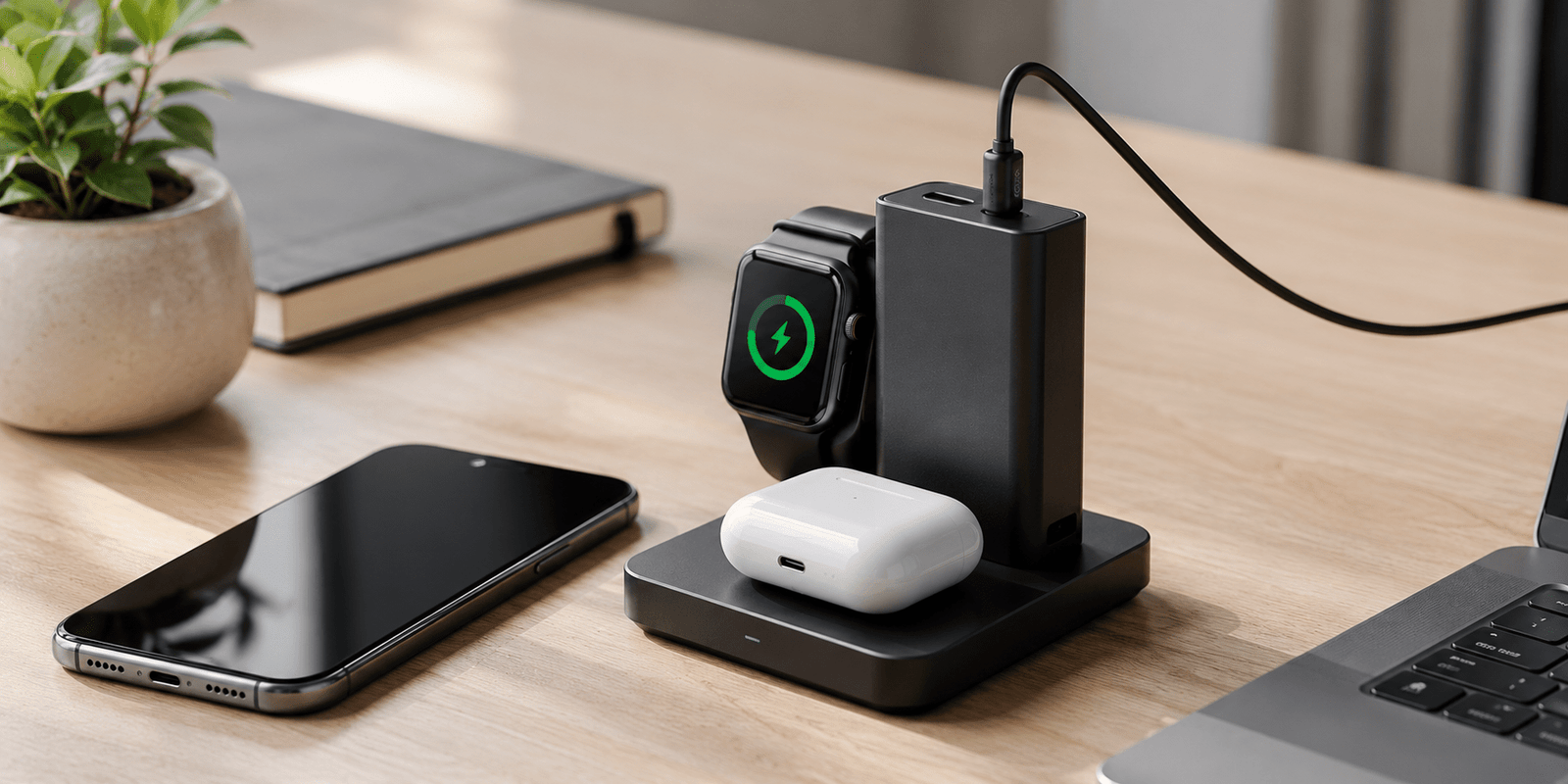
Fast Charger technology has completely changed how people power their devices in daily life. Whether you use a smartphone for work, gaming, photography, or entertainment, fast charging helps reduce waiting time and improves convenience.
Modern users expect quick battery top-ups without overheating or battery damage. Therefore, choosing the right charger is no longer only about speed. Safety, compatibility, power output, and charging standards also matter significantly.
In this guide, you will learn about important Fast Charger features, charging technologies, and practical buying tips that can help you choose a reliable charging solution for everyday use.
Why Fast Charger Technology Matters
People rely heavily on smartphones throughout the day. From video calls and navigation to social media and online payments, battery usage has increased rapidly.
A Fast Charger helps reduce charging downtime significantly. Instead of waiting several hours, users can often recharge large portions of battery life within minutes.
Moreover, modern charging adapters are designed to deliver power efficiently while maintaining device safety. This makes fast charging useful for professionals, students, and travelers alike.
Everyday Benefits of Fast Charging
| Feature | Benefit | Best Use Case |
|---|---|---|
| Quick Power Delivery | Charges devices faster | Busy daily routines |
| Smart Voltage Control | Prevents overheating | Long charging sessions |
| USB-C Compatibility | Supports modern devices | Smartphones & tablets |
| Portable Design | Easy to carry | Travel and office use |
| Multi-Device Support | Charges different gadgets | Tech users with accessories |
Understanding Different Charging Standards
Not every charger delivers the same performance. Different brands use various charging technologies depending on device requirements.
USB Power Delivery
USB Power Delivery, commonly known as USB PD, is one of the most popular standards today. It allows devices to receive higher power safely through USB-C connections.
This technology is widely used in smartphones, tablets, and even laptops because it balances charging speed with temperature control.
Quick Charge Technology
Quick Charge technology, developed mainly for Android devices, helps optimize charging efficiency by adjusting voltage intelligently.
However, users should always confirm compatibility before purchasing a new charging adapter.

Key Features to Look for in a Fast Charger
Buying a charger without checking specifications can affect both charging performance and device safety.
Power Output Capacity
Power output determines how quickly a device charges. Chargers with higher wattage usually deliver faster charging speeds for supported devices.
For example, lightweight smartphones may require 20W charging, while larger devices benefit from 45W or higher outputs.
Smart Temperature Management
Reliable chargers include temperature control systems to prevent overheating during long charging sessions.
This feature is especially useful for gaming users and heavy smartphone users who charge devices frequently.
Durable Build Quality
Premium Fast Charger models often include heat-resistant materials and reinforced ports that improve durability over time.
In addition, strong cable protection helps reduce wear and tear from daily usage.

USB Type-C and Power Delivery Explained
USB Type-C has become the standard charging solution for modern electronics. Its reversible connector design makes charging more convenient and user-friendly.
Another major advantage is universal compatibility. A single USB-C Fast Charger can often support smartphones, wireless earbuds, tablets, and laptops.
Why USB-C Is Popular
USB-C supports faster data transfer and higher power delivery compared to older USB standards.
Moreover, modern smartphone manufacturers increasingly prefer USB-C because it simplifies connectivity and improves charging efficiency.
Importance of Certified Cables
Even the best charger may underperform if paired with poor-quality cables. Certified charging cables ensure stable power transfer and reduce overheating risks.
Therefore, investing in a quality cable is equally important as selecting the charger itself.
Charging Safety and Battery Protection
Charging speed is important, but safety should never be ignored. Poor-quality chargers can damage devices or reduce long-term battery health.
Overcharge Protection
Modern chargers automatically stop excessive power flow once the battery reaches optimal levels.
This helps extend battery lifespan and minimizes overheating issues during overnight charging.
Surge and Short-Circuit Protection
Trusted charging adapters include built-in safeguards against sudden voltage fluctuations and electrical faults.
As a result, users experience safer and more stable charging performance.
Choosing the Right Charger for Your Device
Different devices require different charging outputs. A charger that works perfectly for one smartphone may not deliver ideal performance for another.
Before buying a Fast Charger, check the supported charging wattage of your device. Manufacturers usually mention this information in official specifications.
In addition, consider portability if you travel frequently. Compact chargers with foldable plugs are easier to carry in backpacks and office bags.

Common Fast Charging Mistakes to Avoid
One common mistake is using low-quality duplicate chargers. Cheap accessories often lack proper safety certifications and may damage batteries.
Another issue is ignoring cable compatibility. Old or damaged cables reduce charging efficiency significantly.
Users should also avoid excessive heat exposure while charging. Keeping devices under pillows or in direct sunlight can affect charging stability and battery health.
Future Trends in Charging Technology
Charging technology continues to evolve rapidly. Brands are developing smaller adapters with higher charging outputs and improved thermal control.
Wireless fast charging is also becoming more efficient and accessible. In the future, users may experience complete smartphone charging within extremely short durations.
Moreover, eco-friendly charger designs and energy-efficient components are expected to become more common as sustainability gains importance in consumer electronics.
Conclusion
Fast Charger technology has become an essential part of modern digital lifestyles. From quick battery top-ups to advanced safety systems, today’s chargers offer much more than basic charging functionality.
By understanding charging standards, safety features, and device compatibility, users can choose a Fast Charger that delivers reliable performance while protecting battery health over the long term.