

Introduction
A wireless power bank has quickly become an essential gadget for anyone who relies heavily on smartphones and portable devices. Whether you are traveling, working, or simply managing a busy day, staying charged is no longer optional—it’s necessary.
Unlike traditional chargers, wireless options eliminate cable clutter and offer seamless convenience. However, choosing the right one requires understanding features, performance, and real-world usability.
This guide breaks down everything you need to know—from key features to buying tips—so you can make a smart, future-proof decision.
Table of Contents
1. What is a Wireless Power Bank?
2. How Wireless Charging Works
3. Top 7 Smart Features to Look For
4. Wireless vs Wired Power Banks
5. Ideal Use Cases in Daily Life
6. How to Choose the Right Wireless Power Bank
7. Pros and Limitations You Should Know
8. Conclusion
1. What is a Wireless Power Bank?
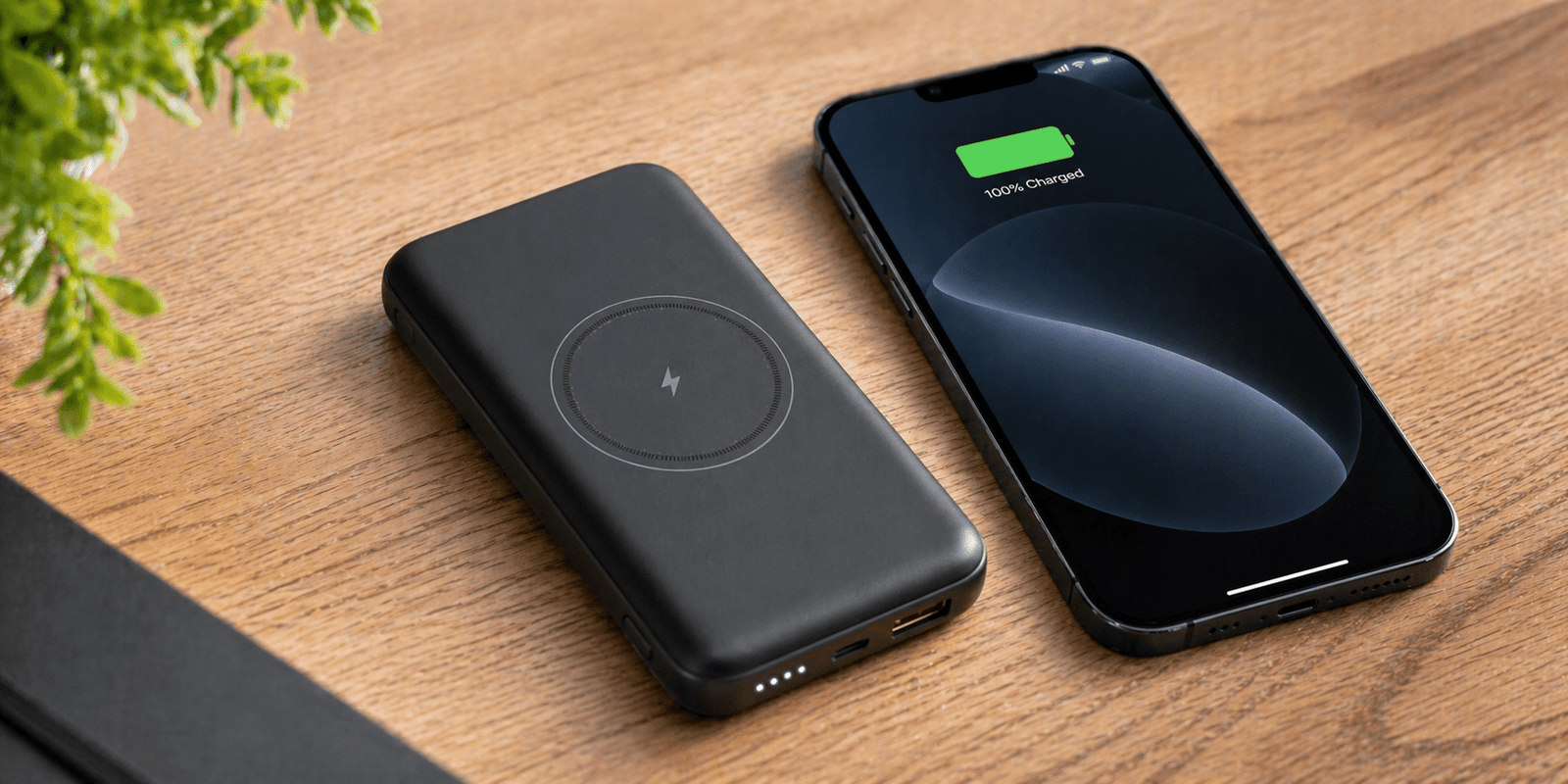
A wireless power bank is a portable charger that uses Qi wireless technology to charge devices without cables. You simply place your phone on the power bank, and charging begins automatically.
This makes it especially useful for modern smartphones that support wireless charging. Moreover, many models now include both wired and wireless options, giving users flexibility.
In simple terms, it’s a cleaner, more convenient evolution of the traditional power bank.
2. How Wireless Charging Works
Wireless charging uses electromagnetic induction. The power bank creates an electromagnetic field, which transfers energy to your phone’s receiver coil.
Although it sounds technical, the user experience is extremely simple—just place your phone on the surface.
However, positioning matters. If the alignment is off, charging speed may reduce. Therefore, many newer models include magnetic alignment for better efficiency.
3. Top 7 Smart Features to Look For
1 Fast Wireless Charging
Speed matters. Look for power banks offering 10W, 15W, or higher wireless output. This ensures your device charges quickly, even without cables.
2 Magnetic Alignment (MagSafe Style)
Magnetic power banks snap perfectly to your device. This improves charging efficiency and prevents slipping, especially while moving.
3 Dual Charging Capability
The best models allow both wireless and wired charging simultaneously. This is useful when you need to charge multiple devices at once.
4 High Battery Capacity
Choose at least 10,000mAh or higher for reliable backup. Heavy users may prefer 20,000mAh for extended usage.
5 Slim & Portable Design
A bulky device defeats portability. Look for compact, lightweight designs that easily fit in your pocket or bag.
6 Safety Features
Modern power banks include protection against:
- Overcharging
- Short circuits
- Overheating
These features are crucial for long-term device safety.
7 LED Indicators or Display
Battery indicators help track power levels easily. Some advanced models even show exact percentages.
4. Wireless vs Wired Power Banks
| Feature | Wireless Power Bank | Wired Power Bank |
|---|---|---|
| Convenience | High (no cables needed) | Medium (requires cable) |
| Charging Speed | Moderate | Faster |
| Portability | Very compact | Slightly bulkier |
| Compatibility | Limited to Qi devices | Universal |
| Ease of Use | Very easy | Depends on cable |
Wireless options are ideal for convenience, while wired chargers still dominate in speed. Therefore, a hybrid model often provides the best experience.
5. Ideal Use Cases in Daily Life
A wireless power bank fits seamlessly into everyday routines.
- Travel: No need to carry multiple cables
- Office: Clean desk setup without clutter
- Commute: Charge your phone on the go
- Content Creation: Perfect for vloggers and creators
In addition, it’s highly useful during emergencies when quick charging is needed without setup hassle.

6. How to Choose the Right Wireless Power Bank
Choosing the right product depends on your usage pattern.
Consider Your Device Compatibility
Ensure your phone supports wireless charging. Most modern smartphones do, but older models may not.
Check Charging Speed
If speed is your priority, choose higher wattage models.
Evaluate Battery Capacity
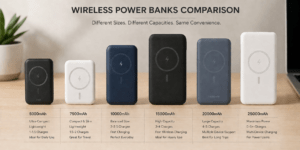
- Light users: 5,000–10,000mAh
- Heavy users: 10,000–20,000mAh
Look for Build Quality
Premium materials ensure durability and better heat management.
Brand Reliability
Trusted brands often provide better safety and long-term performance.
7. Pros and Limitations You Should Know
Advantages
- Cable-free convenience
- Compact and stylish design
- Multi-device compatibility (in newer models)
- Perfect for modern lifestyles
Limitations
- Slower than wired charging
- Requires proper alignment
- Slight energy loss during transfer
However, for most users, the convenience outweighs these limitations.
8. Conclusion
A wireless power bank is no longer just a luxury—it’s a practical tool for everyday life. With advancements in charging speed, design, and safety, it has become an essential tech accessory.
If you value convenience, portability, and a clutter-free experience, investing in a quality wireless power bank is a smart decision.
However, always choose based on your usage needs rather than trends. The right device will not only keep you powered but also simplify your daily routine.