


Introduction
Foundation makeup is the base of any great beauty routine, and when done right, it can completely transform your look. It evens out skin tone, hides imperfections, and creates a smooth canvas for the rest of your makeup.
However, many people struggle with issues like patchiness, cakiness, or the wrong shade. The truth is, achieving a flawless finish is not about using expensive products—it’s about using the right techniques.
In this guide, you’ll learn practical, expert-backed tips that will help you master foundation application like a pro.
Table of Contents
Sections
- What is Foundation Makeup?
- How to Choose the Right Foundation
- Skin Preparation Before Foundation
- Step-by-Step Foundation Application
- Common Foundation Mistakes to Avoid
- Foundation Tips for Different Skin Types
- How to Make Foundation Last All Day
- Conclusion
Sections
- Types of foundation formulas
- Tools for application
- Blending techniques
What is Foundation Makeup?
Foundation makeup is a cosmetic product designed to create an even complexion. It acts as a base layer that smooths out uneven skin tone, redness, and minor blemishes.
There are different types of foundation formulas available, including liquid, cream, powder, and stick foundations. Each type suits different skin needs and finishes.
For example, liquid foundations are ideal for beginners because they blend easily. On the other hand, powder foundations work well for oily skin as they help control shine.
How to Choose the Right Foundation
Choosing the right foundation can make or break your look. The most important factor is finding a shade that matches your skin tone perfectly.
Always test foundation on your jawline instead of your hand. This ensures the shade blends seamlessly with both your face and neck.
Types of foundation formulas
- Liquid: Best for most skin types
- Cream: Great for dry skin
- Powder: Ideal for oily skin
- Stick: Good for quick touch-ups
In addition, consider your undertone—warm, cool, or neutral. This small detail makes a big difference in achieving a natural finish.
Skin Preparation Before Foundation
Prepping your skin is essential for smooth foundation makeup. Skipping this step often leads to uneven texture and poor blending.
Start with a gentle cleanser to remove dirt and oil. Follow it with a moisturizer suited to your skin type. Even oily skin needs hydration to avoid patchiness.
Next, apply a primer. It helps fill pores, smooth texture, and improves the longevity of your makeup.
Step-by-Step Foundation Application
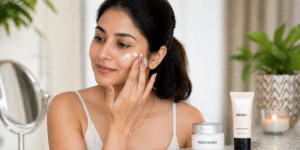
Applying foundation correctly requires technique and patience. Rushing the process often leads to visible streaks or cakiness.
Tools for application
- Brush: Gives full coverage
- Sponge: Provides a natural finish
- Fingers: Good for quick blending
Start by applying small dots of foundation across your face—forehead, cheeks, nose, and chin. Then blend outward using your preferred tool.
Blending techniques
Always blend in upward and outward motions. This creates a lifted effect and avoids heavy buildup in one area.
Moreover, use a damp sponge for a seamless finish. It helps absorb excess product and prevents cakiness.

Common Foundation Mistakes to Avoid
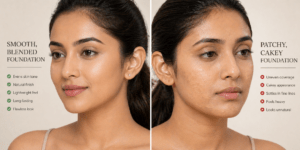
Even the best products won’t work if common mistakes are repeated. Understanding these errors can instantly improve your results.
- Using the wrong shade
- Applying too much product
- Skipping skin prep
- Not blending properly
Another common issue is layering too many products. Keep your routine simple for a more natural appearance.
Foundation Tips for Different Skin Types
Different skin types require different approaches to foundation makeup. Using the wrong method can lead to poor results.
| Skin Type | Recommended Foundation | Key Tip |
|---|---|---|
| Oily Skin | Matte liquid or powder | Use oil-free primer |
| Dry Skin | Hydrating liquid or cream | Moisturize well before applying |
| Combination | Lightweight liquid | Focus on T-zone control |
| Sensitive | Mineral foundation | Avoid harsh ingredients |
For oily skin, setting powder is essential to control shine. Meanwhile, dry skin benefits from dewy finishes that add glow.
How to Make Foundation Last All Day
Longevity is one of the biggest concerns when it comes to foundation makeup. Fortunately, a few simple steps can make your makeup last much longer.
Start with a primer suited to your skin type. Then apply foundation in thin layers instead of one heavy layer.
After application, use a setting powder to lock everything in place. Finish with a setting spray for extra durability.
In addition, avoid touching your face frequently, as this can break down your makeup.

Conclusion
Foundation makeup is not just about covering flaws—it’s about enhancing your natural beauty. With the right shade, proper skin prep, and correct application techniques, anyone can achieve a flawless finish.
By following these expert tips, you can avoid common mistakes and create a smooth, long-lasting base every time. Whether you prefer a natural look or full coverage, mastering foundation makeup will elevate your entire beauty routine.