

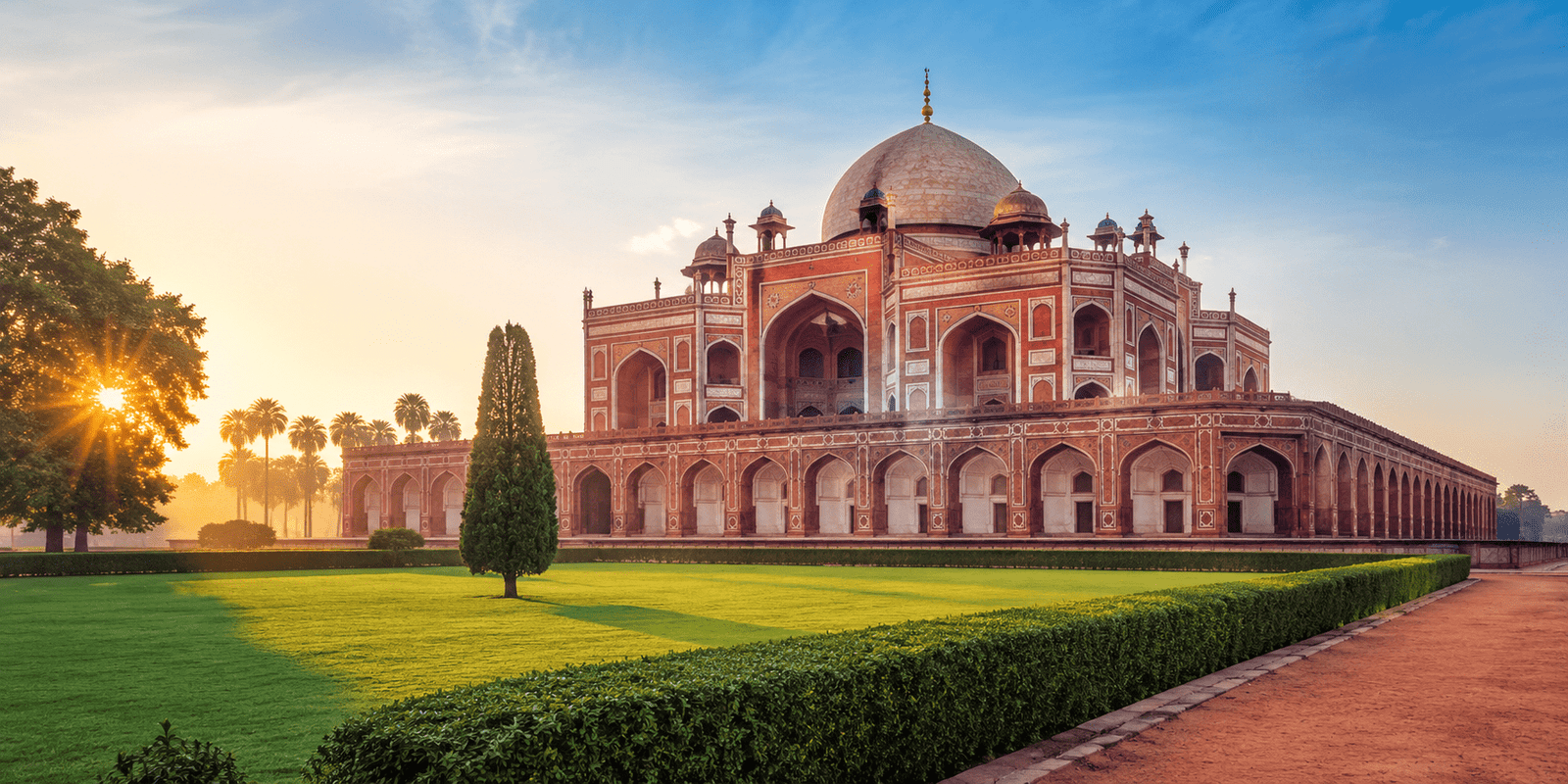
Humayun’s Tomb is one of the most remarkable historical landmarks in India and a masterpiece of Mughal architecture. Located in Delhi, this iconic monument attracts history enthusiasts, architecture lovers, and travelers from around the world. Built in the 16th century, it holds immense historical significance and played an important role in shaping later Mughal monuments, including the famous Taj Mahal.
Today, the monument stands as a symbol of India’s rich cultural heritage. Its beautiful gardens, grand structure, and fascinating history make it a must-visit destination for anyone interested in India’s past.
The Story Behind Humayun’s Tomb
The history of Humayun’s Tomb begins with the second Mughal emperor, Humayun. After his death in 1556, his wife, Empress Bega Begum, decided to build a grand mausoleum in his memory. Construction started around 1565 and was completed several years later.
The monument was designed to reflect the dignity and status of the emperor. It quickly became one of the most impressive structures of its time and established a new architectural style for future Mughal monuments.

Why the Monument Was Built
Humayun’s Tomb was more than a royal burial site. It represented devotion, remembrance, and the political strength of the Mughal Empire. Bega Begum invested significant resources into creating a monument worthy of an emperor.
The tomb also symbolized the revival of the Mughal dynasty after a period of political instability. As a result, it became a powerful statement of imperial authority and cultural achievement.
A Pioneer of Mughal Architecture
One of the most fascinating facts about Humayun’s Tomb is that it introduced several architectural elements that later became common in Mughal monuments.
The structure combines red sandstone with white marble, creating a striking visual contrast. Its symmetrical layout, elevated platform, and impressive dome influenced many later buildings across the empire.
The Monument That Inspired the Taj Mahal
Historians often describe Humayun’s Tomb as the architectural predecessor of the Taj Mahal. Many design principles seen here were later refined and expanded in the famous monument built by Emperor Shah Jahan.

The Persian Influence on Design
The tomb was designed by Persian architect Mirak Mirza Ghiyas. This explains the strong Persian influence visible throughout the complex.
Features such as geometric layouts, arched gateways, and balanced proportions reflect Persian architectural traditions. These elements blended beautifully with Indian craftsmanship, creating a unique Indo-Islamic architectural style.
The First Garden Tomb in India
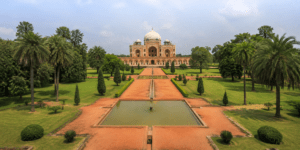
Humayun’s Tomb is widely recognized as the first large-scale garden tomb in India. It introduced the Charbagh concept, a garden layout divided into four sections by water channels and pathways.
This design was inspired by Islamic concepts of paradise and became a defining feature of later Mughal monuments. The gardens continue to enhance the monument’s beauty and attract visitors throughout the year.
UNESCO World Heritage Recognition
In 1993, Humayun’s Tomb was recognized as a UNESCO World Heritage Site. This designation highlighted its outstanding cultural and architectural value.
The recognition also helped increase conservation efforts. Restoration projects have successfully preserved many original features, ensuring that future generations can continue to appreciate this remarkable monument.
Historical Significance During the Mughal Era
Humayun’s Tomb served as more than a burial site. It became an important royal necropolis where several members of the Mughal family were buried.
The monument also witnessed significant historical events. During the Indian Rebellion of 1857, the last Mughal emperor, Bahadur Shah Zafar, reportedly took refuge here before being captured by British forces.
Architectural Features That Stand Out
Several architectural elements make Humayun’s Tomb unique among India’s historical monuments.
| Feature | Historical Importance |
|---|---|
| Double Dome | Enhanced visual grandeur |
| Red Sandstone Exterior | Signature Mughal design element |
| White Marble Accents | Added elegance and contrast |
| Charbagh Gardens | First major garden tomb concept in India |
| Elevated Platform | Increased monument prominence |
| Symmetrical Layout | Reflected Persian architectural principles |
Visitor Information at a Glance
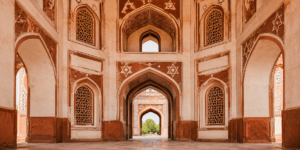
Today, Humayun’s Tomb remains one of Delhi’s most visited historical attractions. The monument is easily accessible and offers visitors an opportunity to explore centuries of history in a peaceful environment.
Early morning and late afternoon are often considered the best times to visit because of pleasant weather and excellent photography conditions. Visitors can also explore nearby heritage sites, making the area a rewarding destination for history lovers.
Why Humayun’s Tomb Remains Important Today
Humayun’s Tomb continues to represent the artistic excellence and cultural achievements of the Mughal era. Its influence on Indian architecture can still be seen in many later monuments.
More importantly, the site serves as a bridge between the past and present. It allows visitors to experience an important chapter of Indian history while appreciating the craftsmanship and vision that created one of the country’s most treasured heritage sites.

Conclusion
Humayun’s Tomb is far more than a historical monument. It is a landmark that reflects the grandeur of the Mughal Empire, the evolution of Indian architecture, and the enduring importance of cultural heritage. Whether you are a history enthusiast, architecture lover, or traveler exploring Delhi, this remarkable site offers a fascinating journey into India’s past.