

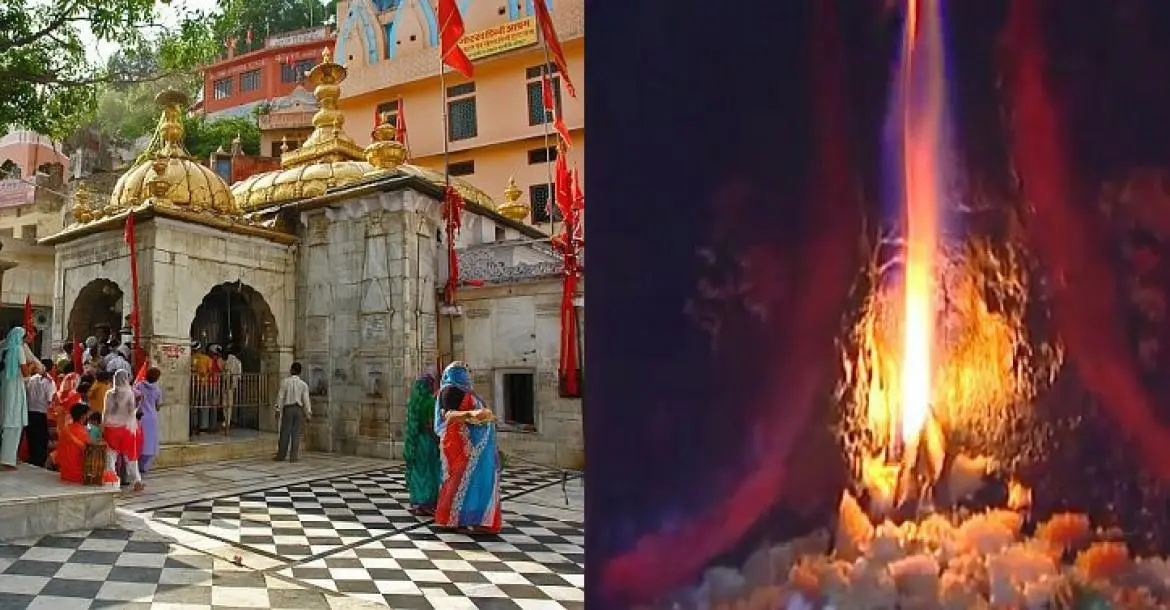
Jawala Ji Temple is one of the most revered Hindu pilgrimage sites in India and is famous for its eternal natural flames that have been worshipped for centuries. Located in the Kangra district of Himachal Pradesh, this sacred shrine attracts thousands of devotees every year who come to seek blessings from Goddess Jwala Devi.
Unlike most temples where an idol is worshipped, the divine presence at this temple is represented by continuously burning flames emerging from rock crevices. The spiritual atmosphere, historical significance, and unique religious traditions make this temple an important destination for pilgrims and travelers alike.
1. History of Jawala Ji Temple
The history of Jawala Ji Temple dates back many centuries and is deeply connected with Hindu mythology. According to ancient beliefs, the temple is one of the sacred Shakti Peethas. It is believed that the tongue of Goddess Sati fell at this location, making it a powerful spiritual center.
Historical records suggest that several rulers and devotees contributed to the development of the temple over time. The shrine gained recognition across northern India due to its miraculous flames that have continued to burn without interruption.
The temple also attracted the attention of various emperors and travelers who were fascinated by the natural phenomenon of the flames.
2. Religious Significance of the Temple
For devotees, Jawala Ji Temple is much more than a religious site. It represents divine energy and the eternal presence of Goddess Jwala Devi.
As one of the prominent Shakti Peethas, the temple holds immense importance among followers of Hinduism. Pilgrims visit throughout the year to offer prayers, seek blessings, and participate in religious ceremonies.
Many devotees believe that sincere prayers at the temple bring peace, prosperity, and spiritual fulfillment.
3. Why the Eternal Flames Are Special
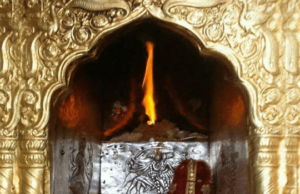
The most remarkable feature of the temple is the presence of naturally occurring flames that emerge from cracks in the rock.
These flames are worshipped as manifestations of the goddess herself. Unlike traditional temples that contain idols, the flames serve as the primary object of devotion.
| Feature | Details |
|---|---|
| Location | Kangra District, Himachal Pradesh |
| Deity | Goddess Jwala Devi |
| Famous For | Eternal Sacred Flames |
| Temple Type | Shakti Peetha |
| Major Festivals | Navratri Celebrations |
| Best Visiting Season | October to March |
Scientists have studied the phenomenon and linked it to natural gas emissions. However, for devotees, the flames remain a symbol of divine power and faith.
4. Temple Architecture and Surroundings
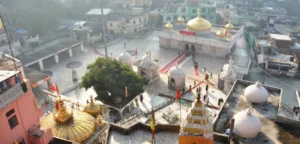
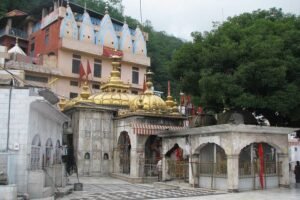
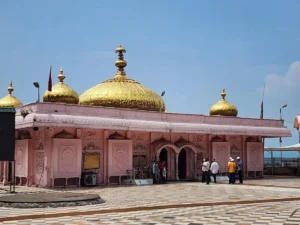
The architecture of the temple reflects traditional North Indian temple design while maintaining a unique identity.
The temple complex includes beautifully decorated entrances, prayer halls, and sacred spaces where devotees gather for worship. The surrounding hills add to the spiritual charm of the location.
Visitors often appreciate the peaceful atmosphere and scenic beauty that complement the religious experience.
5. Darshan Timings and Rituals
Darshan at Jawala Ji Temple begins early in the morning and continues throughout the day. Special aartis are performed at different times, attracting large numbers of devotees.
The temple follows traditional Hindu rituals that include prayer offerings, aarti ceremonies, and devotional singing. During Navratri, the temple experiences a significant increase in visitors.
Many pilgrims prefer attending morning aarti because of the peaceful atmosphere and spiritual energy.
Important Darshan Tips
- Arrive early during weekends and festivals.
- Follow temple rules and dress modestly.
- Keep sufficient time for queues during peak seasons.
- Carry water and essential items while traveling.
6. How to Reach Jawala Ji Temple
The temple is well connected by road, rail, and air.
By Road
Regular buses and taxis operate from major cities in Himachal Pradesh and neighboring states.
By Train
The nearest railway stations provide convenient access to the temple through local transportation services.
By Air
The nearest airport is in Kangra, from where travelers can hire taxis to reach the temple.
7. Important Information for Visitors
Before visiting, travelers should plan their journey carefully. Accommodation options are available near the temple for pilgrims and tourists.
Local markets around the temple offer religious items, souvenirs, and traditional food. Visitors should respect temple customs and maintain cleanliness within the premises.
Photography restrictions may apply in certain areas, so it is advisable to follow instructions provided by temple authorities.
8. Best Time to Visit
Although the temple remains open throughout the year, the most pleasant months are from October to March.
The weather during this period is comfortable for sightseeing and pilgrimage activities. Navratri celebrations are particularly popular because the temple is beautifully decorated and hosts special religious events.
Visitors seeking a quieter experience may choose weekdays outside major festival periods.
9. Final Thoughts on Jawala Ji Temple
Jawala Ji Temple stands as a remarkable blend of faith, history, and spiritual devotion. Its eternal flames, rich religious heritage, and peaceful surroundings make it one of the most important pilgrimage destinations in Himachal Pradesh.
Whether you visit to explore its fascinating history or participate in darshan, the temple offers a meaningful and memorable experience. For devotees and travelers alike, Jawala Ji Temple continues to inspire faith and admiration through its unique traditions and sacred atmosphere.